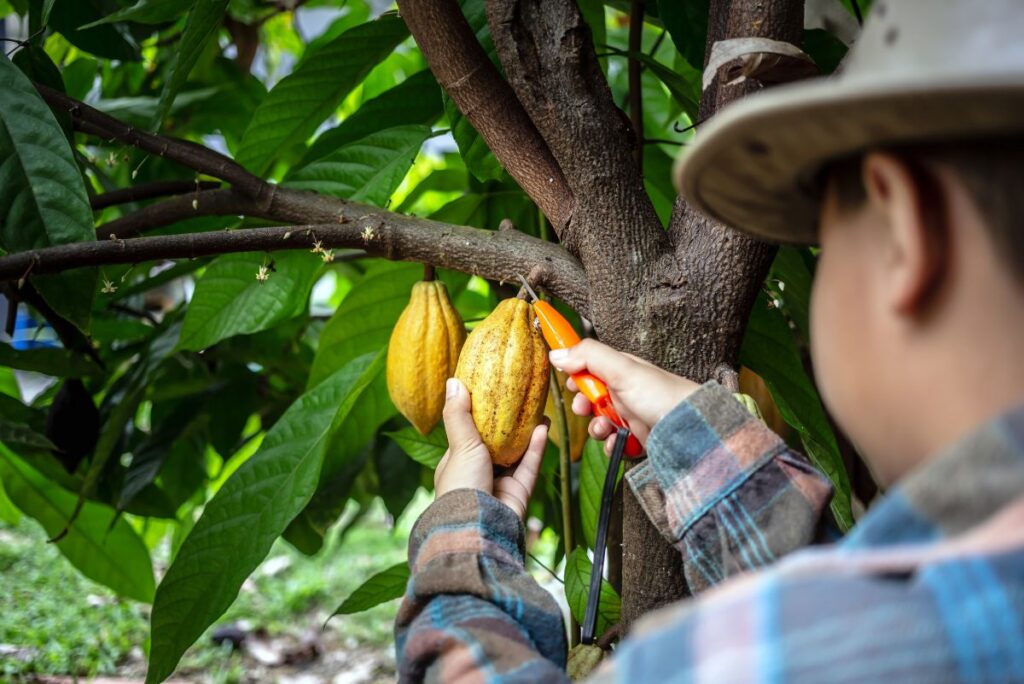
“Ninety percent of food fraud is money-driven,” said Freeman Libby, senior advisor at The Acheson Group, a global food safety consulting firm. “Other driving factors include limited product supply, high demand for organic and non-GMO products, concealing spoilage or inferior quality, counterfeiting through fake branded ingredients or packaging, and origin fraud through false claims like ‘Madagascar vanilla’ or ‘single-origin cocoa.’”
The supplier-baker relationship
Putting safeguards in place at the bakery level can help minimize the risk of food fraud. Using only trusted, verified suppliers is one of the most important preventive measures.
“A strong ingredient supplier relationship is a critical control point,” said Vanessa List, director of quality for Puratos, which supplies cocoa and other high-cost, high-variability ingredients to the food industry. “Trusted, transparent supplier partnerships act as both a preventative and an early-detection mechanism. Also, paying attention to a supplier’s internal culture is a key defense against food fraud. Do they have a strong code of conduct, anti-fraud policies and employee training on food integrity? Reducing internal food fraud is just as important as controlling external threats.”
Ingredients at a higher risk for adulteration, such as honey, often have multiple levels of testing built into the supply chain to ensure quality.
“Imported honey is tested when it enters the US to ensure it’s pure and properly labeled from the correct country of origin,” explained Catherine Barry, VP of marketing for the National Honey Board. “Major US producers undergo testing to receive certifications from third-party groups that specialize in testing honey. Beyond that, building a trusted ingredient supplier relationship can help bakers feel confident in the quality and purity of the honey they’re purchasing.”
Finding the goods
Sometimes, though, supply chain disruptions, market changes and price volatility force manufacturers to source ingredients from unfamiliar suppliers. In those instances, List noted a few factors to look for during the vetting process.