

Advertisement

Bakers mitigate cocoa market fluctuations with R&D agility

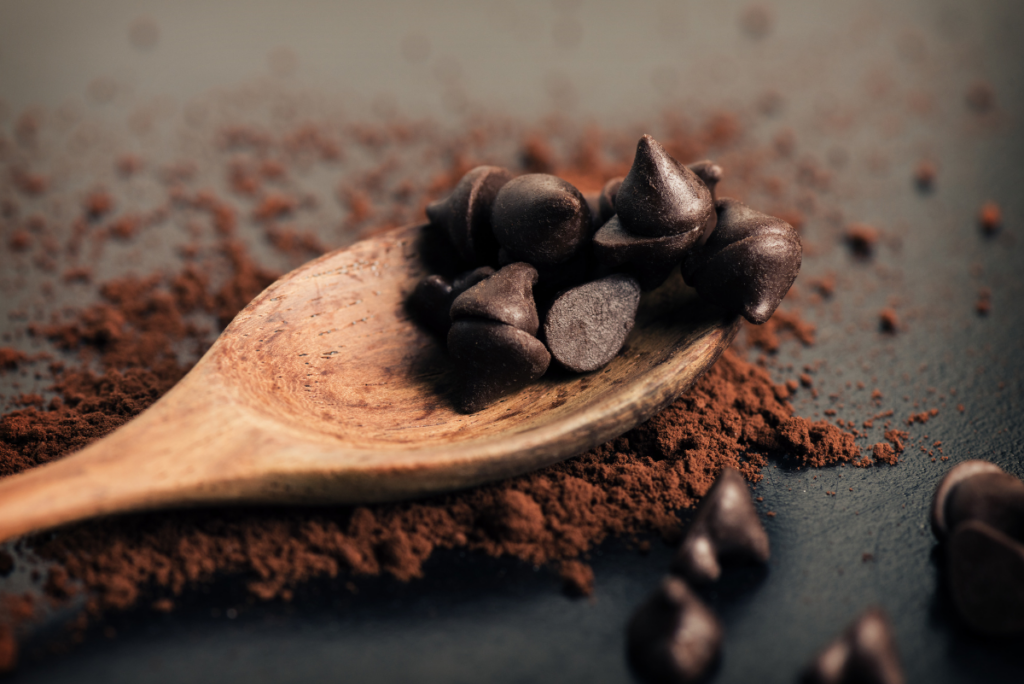
counter with wooden spoon covered in cocoa powder and chocolate chips
BY: Mari Rydings

Mari Rydings

KANSAS CITY, MO — Nowadays, bakers need to be ready for anything as they navigate the ingredients market. With various external factors influencing the pricing and supply of bakery necessities like eggs, R&D teams must remain agile to accommodate the uncertainty.

Take the current cocoa market, for example. Reducing cocoa content is a common solution as the price for the ingredient soars, but doing so can impact flavor and the aesthetics of the final product.

“Small reductions in cocoa content — say moving from a 44 percent chip to a 41 or 42 percent — generally don’t change the baked flavor dramatically,” said Kerry Groves, senior R&D manager, chocolate and compound at Puratos USA. “When it comes to color and appearance, even a slight shift can matter, especially in patisserie, where consumers expect a certain visual richness.”

Altering cocoa content can also affect functionality, taste and aroma. The structural functions that cocoa imparts are essential to bakers while taste and aroma are non-negotiables for consumers.


Advertisement

“When cocoa levels are reduced, there may be a flattening of flavor or an imbalance in sweetness,” explained Roni Eckert, senior food scientist at Wixon, Inc. “Rebuilding that complexity requires more than simply adding chocolate flavor. Functionally, reducing cocoa creates a solids gap in the formula that must be carefully backfilled to avoid changes in spread, density or texture.”

Eckert noted that beyond helping bakers manage market availability and cost volatility, cocoa alternatives can encourage formulators to rethink traditional approaches and optimize formulas for today’s market. But it may not be easy.

“The primary challenge is maintaining indulgence,” she said. “If alternatives are not carefully balanced, products may be perceived as less rich or less premium. Achieving the right sensory profile often requires additional formulation work to rebuild flavor and aroma while preserving texture and brand expectations.”

The packaging conundrum

Another challenge is the time, effort and cost involved with updating packaging information.

“Real chocolate has a strict standard of identity, so moving to compound changes how the ingredient must be declared,” Groves said. “Some replacers also bring extra allergens or longer ingredient lists, so bakers need to consider how that fits their brand and customer base.”

Some bakers built their business on using real ingredients, and reducing the amount or switching to alternatives isn’t an option.

Some bakers built their business on using real ingredients, and reducing the amount or switching to alternatives isn’t an option.

Advertisement

“The Fancypants brand is premium, Non-GMO Project verified, and focused on delivering the best possible quality, texture and taste,” said Maura Duggan, founder and CEO of Boston-based Fancypants Baking Co. “To that end, it’s important our ingredients are consistent, to the extent that we’re very selective about the suppliers we’ll work with.”

Product development solutions for these bakeries require a different approach to managing ingredient costs and supply chain disruptions.

“The key is planning smartly,” said Nate Hedtke, VP of innovation and customer engagement at the American Egg Board. “Bakers can manage costs by using the right egg product for the job, optimizing their formulas for egg use, strengthening their supplier partnerships with longer-term agreements that help cushion market swings, and focusing on performance versus replacement.”

The strategy is similar for bakers committed to using real cocoa.

“One of the most effective levers is smart product development,” said Cristian Chu Salgado, VP of strategy and growth at Luker Chocolate. “Fine-tuning cocoa percentages, sweetness systems and processing behavior can help the chocolate perform exactly as needed in the final application and deliver better cost-in-use.”

Advertisement

Maintaining the consumer experience

Choosing the right chocolate for the application — chips, chunks, inclusions, coating, filling or tailored-viscosity couvertures — is a major opportunity for bakers to reduce waste, improve yield and increase consistency across batches.

“Flavor and product design also play an important role,” Chu Salgado said. “In many cases, working on flavor, texture and visual appeal can be an effective way to maintain a premium consumer experience and manage costs.”

For now, the ingredient market appears stable, but bakers are always preparing for the next price hike or supply chain kink, be it eggs, cocoa, sugar, dairy or grains. It’s impossible to predict,
much less control, these fluctuations, but bakers can navigate these hurdles with strategic forecasting and R&D contingency plans.

This story has been adapted from the April | Q2 2026 issue of Commercial Baking. Read the full story in the digital edition here.

Related News

Advertisement

Advertisement

Advertisement

Advertisement

Popular Articles