


Advertisement

Local demographics, cultural preferences unlock global cuisine success

Mediterranean food
BY: Mari Rydings

Mari Rydings

ORLANDO, FL — Consumer demand for global flavors and foods has been on fire for the past few years, and in terms of dollar sales, that steady growth is starting to outpace the industry as a whole.

“If we look at the last two years in our industry, sales have either been slightly negative to flat, and that’s probably if we’re lucky,” said Nick Lenzi, senior VP of marketing for food distributor Lipari Foods. “When you look at the last couple of years, 82 percent of any growth we have experienced in our industry is coming from global cuisine.”

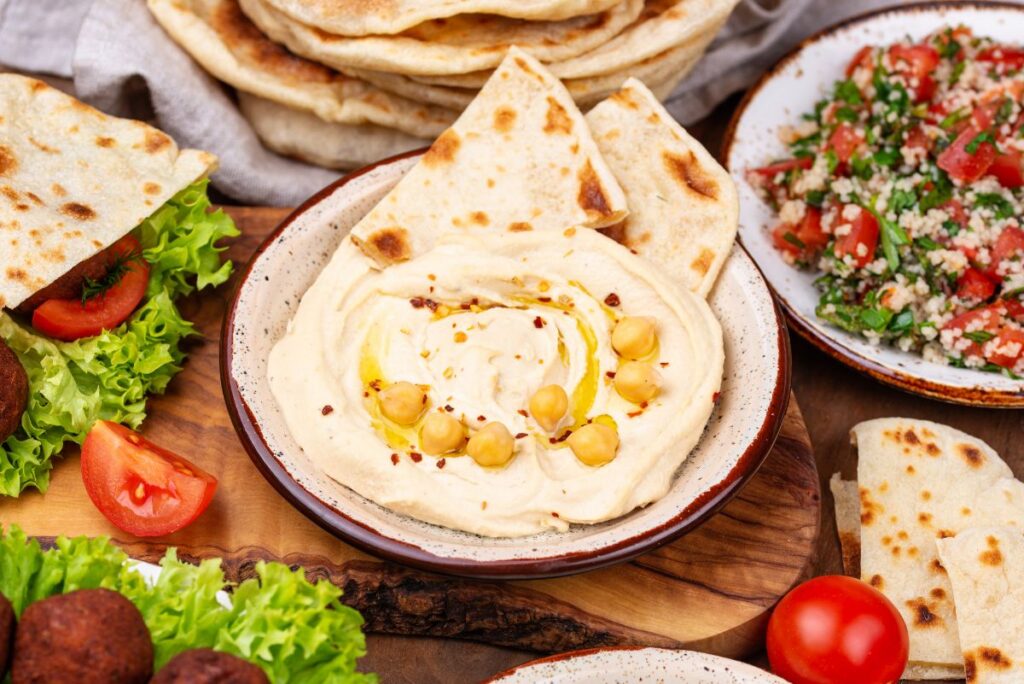
Lenzi’s comments, made during his IDDBA 2026 presentation, “Capitalizing on the Growth of Global Cuisine,” preceded an in-depth look at the opportunities for food manufacturers in two of the fastest-growing global cuisine categories in the US: Mexican, Central and South American; and Middle Eastern and Mediterranean.

For context, South American and Mexican products represent a mature category, with $12 billion in annual sales, 4.86% year-over-year growth, and a three-year CAGR of 4.96%. Hispanic products in general recorded another $4 billion in sales, up 8.5% over a year ago, and with a three-year CAGR of 8.29%.

Similarly, sales in the Middle Eastern and Mediterranean category are also up, recording a 6.63% year over year increase.

“These two categories are where we see the biggest upside in potential, not only in sales but also in population growth in the US,” Lenzi added.

Lipari’s own customer research dovetails with the data. The company conducted interviews with thousands of customers and found that 41% of consumers plan to increase their spending on international cuisine in the next year. Additionally, 80% of buyers expected international cuisine purchases to increase, and 93% of buyers said they would be willing to switch suppliers in order to have a relevant mix of products in their store.


Advertisement

What’s driving global cuisine growth?

Dietary trends are one of the primary catalysts driving growth in these two cuisine categories, and it’s something retailers must keep in mind as they decide which products to add to their shelves.

“Consumers are looking for functional items such as those that promote gut health, and that are high in protein and fiber, attributes that are all being driven by GLP-1 medication usage,” Lenzi said.

Within the international space, organic products are up 13.7%.

“Regenerative organic is the hot button today,” he added. “Vegetarian, vegan, non-GMO and gluten-free products are also growing in these markets. These are product attributes retailers need to keep an eye on as they’re putting their product mix together.”

Another driver? Multi-generational households.

“In multi-generational households, even though the parents may have come from overseas, the products they buy are the ones their children or grandchildren are looking for,” Lenzi said.

Advertisement

One product doesn’t fit all

Global cuisine means different things to different people, and it’s important that retailers identify local demographics and cultural preferences so they can create relevant shopping experiences that will expand their customer base.

“The word ‘Hispanic’ means that someone came from a Spanish-speaking country,” Lenzi said. “You need to know where they come from, because each of these different customers, each of these different ancestries, buys different products.”

Sales data on different Central and South American ancestry types shows that products from Venezuela are up 76% year over year, Uruguay 30%, Costa Rica nearly 20%, Ecuador 20% and Guatemala 19.7%, with top categories including baked goods such as shelf-stable cookies, crackers and crisp breads.

To identify potential consumers, Lenzi recommended retailers use block-level data vs. zip code data to drill further down into ancestry. More localized demographic data can help retailers focus their marketing and advertising efforts better and forecast population trends.

The bottom line is, when it comes to expanding a customer base, global cuisine is a viable avenue.

“No matter what channel you’re selling food in today, you’ve got growth, and in some cases, very significant growth in every single opportunity,” Lenzi said. “It’s important to know that no matter where you sell, no matter where your retail is located, the opportunity is there.”

Advertisement

Related News

Advertisement

Advertisement

Advertisement

Advertisement

Popular Articles