Advertisement

Here for the long haul, GLP-1 meds spur bakery innovations

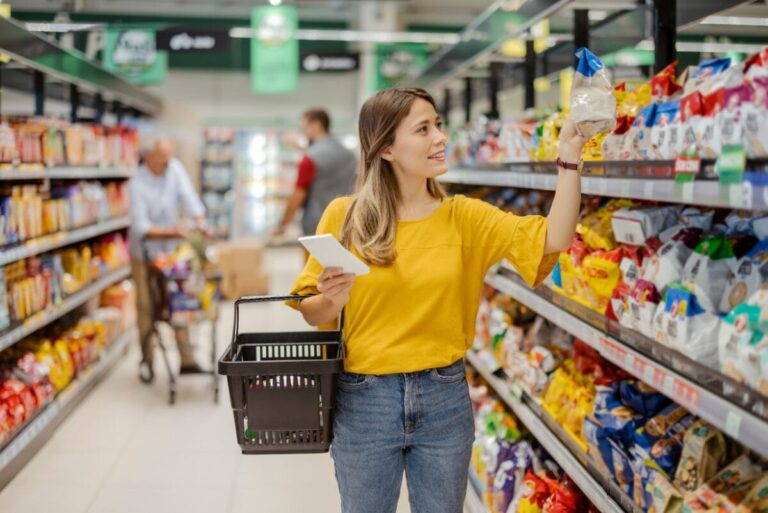
Woman and man in grocery store evaluating half loaf of bread
BY: Annie Hollon

Annie Hollon

KANSAS CITY, MO — The lineup of today’s mealtime occasions is shifting. Of the factors at play, a major one influencing what goes from store shelf to shopping cart is the GLP-1 medication.

Usage of GLP-1s is growing: posting 12.4% in fall 2025, up from 5.8% in early 2024, according to Gallup.

As a result, consumers have adapted their diets shifting their shopping habits. This transition is causing baking industry leaders to seek answers on how to adapt their business practices and operations.

In fact, the topic is so top of mind that it played a prevalent role in programming at both the American Society of Baking’s BakingTECH and American Bakers Association (ABA)’s Convention, held earlier this year.

Advertisement

Protein, portion size and permission

During a BakingTECH technical session, Colleen Zammer, VP of varietal solutions growth and corporate innovation at Bay State Milling Co., noted that GLP-1 users are not only eating less food, but they’re also thinking more smartly about what they’re eating.

“At first, they probably are just not eating a lot of food, and then if they start to feel less energy, perhaps losing some muscle mass, they’re going to start to seek out different foods and different types of nutrients,” she said.

At ABA, Dr. Rachael Degurse, CEO of Pearl Primary Care, echoed this insight, sharing that she recommends consumers using GLP-1s focus on the kinds of foods they’re eating and their respective attributes, particularly those packed with protein.

“Protein intake is very important as these people can lose a significant amount of weight on the medications,” she said. “If they are not supplementing their diet with protein, then they’re going to lose quite a bit of muscle mass as they start to lose weight.”

But even though users are placing smaller helpings on their plates, they’re not shying away from the smaller indulgences, noted Anne-Marie Roerink, president of 210 Analytics, during the ABA Convention.

“A lot of consumer headlines have indicated that perhaps these consumers are going to pull out of categories like confectionery and bakery, and that is not what we’re seeing at all; in fact, it’s quite the opposite,” she said. “These households are actually more engaged in the baked goods category.”

Roerink explained that smaller portioned products, such as those that are individually wrapped, appeal to “little treat culture,” granting consumers the permission to continue engaging with this category and reshape their relationship with these products.

“What we’re seeing is that GLP-1 consumers and non-users agree that it is incredibly important to make room in your budget and life for the occasional baked treat or dessert to celebrate special occasions,” Roerink said, nodding to findings from the ABA Bakery Playbook on GLP1 Medications, sponsored by Lesaffre.


Advertisement

Messaging matters

As GLP-1 takers shrink their portion sizes, hitting the magic number for optimal protein and/or fiber intake is challenging. Product packaging such as half loaves and individually wrapped food help with the former, but the window of opportunity for baking companies is wide open for the latter.

“We have the opportunity to deliver on fiber, and we’re already doing a good job,” Zammer said. “Bakery products are one of the largest contributors of dietary fiber in the American diet today. We’re already participating in this, mostly through whole grain products.”

Protein and fiber claims are already rising in prevalence across the latest baking innovations. Whether it’s bread or a salty snack, CPG companies are increasingly emphasizing these attributes front-of-package.

Marketing and messaging are also vital for commercial baking companies looking to communicate their offerings’ benefits. Whether it be displaying verbiage signaling a product is GLP-1 friendly, highlighting traits such as fiber and protein content, or earning third-party certifications that symbolize the characteristics, bakers have myriad opportunities to position their baked goods strategically.

Advertisement

Innovation abounds

Knowing this is where products are going is also spurring inspiration for innovation. Reformulating a staple product to introduce more protein or fiber is an approach brands such as Oroweat, Nature’s Own and Lewis Bake Shop are adopting en masse. Roerink noted that traits consumers most commonly ask for are healthy inclusions, fortification and smaller portions.

As consumer preferences shift, so must bakers.

“As we think about innovating for consumers in this space, many of the products we make in the bakery area are multi-serving, perhaps larger sizes,” Zammer said. “There’s an opportunity to scale down portions so shoppers can buy products that are more suitable to the diets they’re engaging in. It’s a big market and opportunity if we capitalize on it correctly.”

GLP-1s are having more than just a moment: These medications are here to stay. In turn, baking companies need to step up to the plate and ensure what they’ve got to offer at this moment and onward aligns with what this growing pool of consumers’ needs.

“There’s going to be more and more of this usage in the United States, and if we want to participate,” Zammer concluded, “this is our time to do it.”

Related News

Advertisement

Advertisement

Advertisement

Advertisement

Popular Articles