
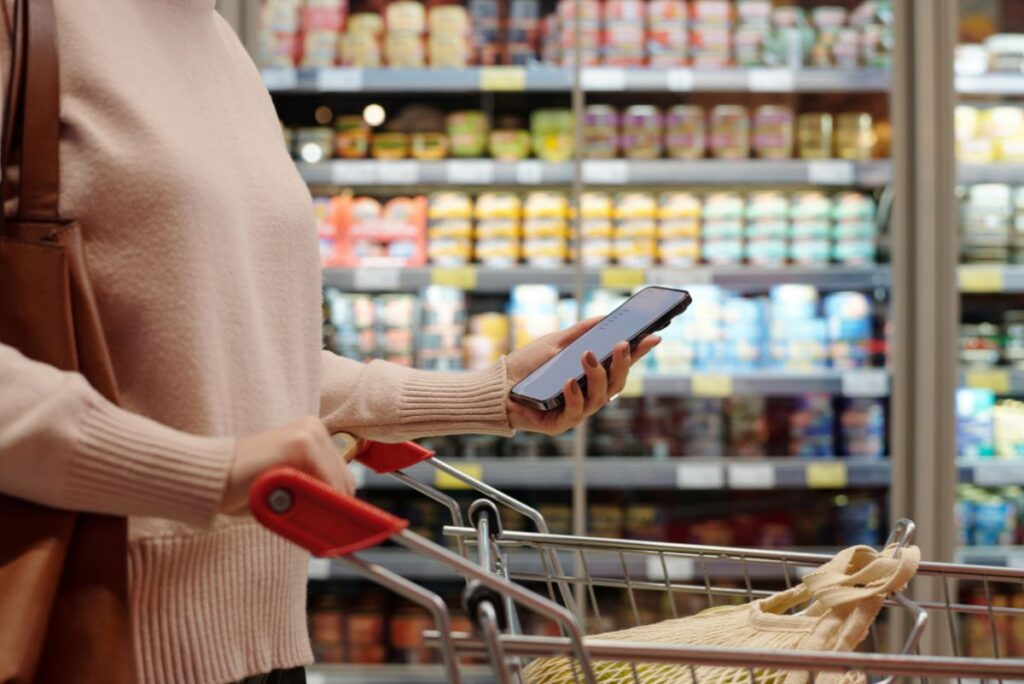


ORLANDO, FL — Convenience and timing are two of the most influential drivers for consumers when they shop today. Meal prepping is at an all-time high, and impulse spending is steadily decreasing. This is where AI tools such as ChatGPT or Copilot come into the equation. Many consumers are relying on AI to tell them when, where and how to shop.
Give any AI platform a grocery-shopping budget and tell it to make a shopping list, and the usual suspects will make an appearance: chicken, beef, fresh produce, dairy items, etc. But the bakery umbrella is missing.
In today’s AI-dominated landscape, this poses an issue.
Anne-Marie Roerink, president of 210 Analytics, discussed this phenomenon in detail at IDDBA 2026 in Orlando, opening the show by discussing trends found from a survey of about 1,500 consumers.
Baked treats such as donuts, cakes, cookies and cupcakes rarely end up on an AI-generated shopping list. As part of her research, Roerink asked the AI search engines why this was.
“There is a very real bias against bakery because the training data for AI skews toward public health guidelines in which the attitude equals a bad narrative,” Roerink said. “So, think about the importance of driving the permissibility story for items around bakery.”
Driving permissibility will require commercial bakers to rewrite the narrative. Ways to do this include highlighting fiber, protein and whole grains and showcasing fresh recipes that incorporate grain-based foods like tortillas or croissants into everyday meals. By bringing nutrition to the forefront of packaging and leveraging bakery’s role in everyday meals, commercial bakers can overcome algorithmic obstacles and land back in consumers’ carts.