Similarly, Shelley Balanko, senior VP at The Hartman Group, believes the path forward requires reframing personalization as service.
“When it’s done well, personalization feels like hospitality,” she said. “It’s the difference between walking into a bakery where the staff knows your order and one where you have to explain yourself every time.”
In digital terms, that might mean recognizing dietary preferences, surfacing previously purchased items or suggesting complementary products without overwhelming the consumer.
AI is poised to amplify both the opportunity and the complexity. As shoppers increasingly turn to voice assistants and conversational search, product data must be structured in ways machines can interpret. Ingredients, dietary attributes and usage occasions become signals that influence discoverability.
“AI doesn’t guess,” Ismail said. “It works off the data you give it.”
For bakery brands, that reality elevates what might once have been considered back-end details. Clear ingredient metadata, consistent naming conventions and integrated customer profiles become competitive assets. At the same time, privacy expectations are evolving. Consumers are willing to share information when there is tangible value in return, but missteps can quickly erode trust.
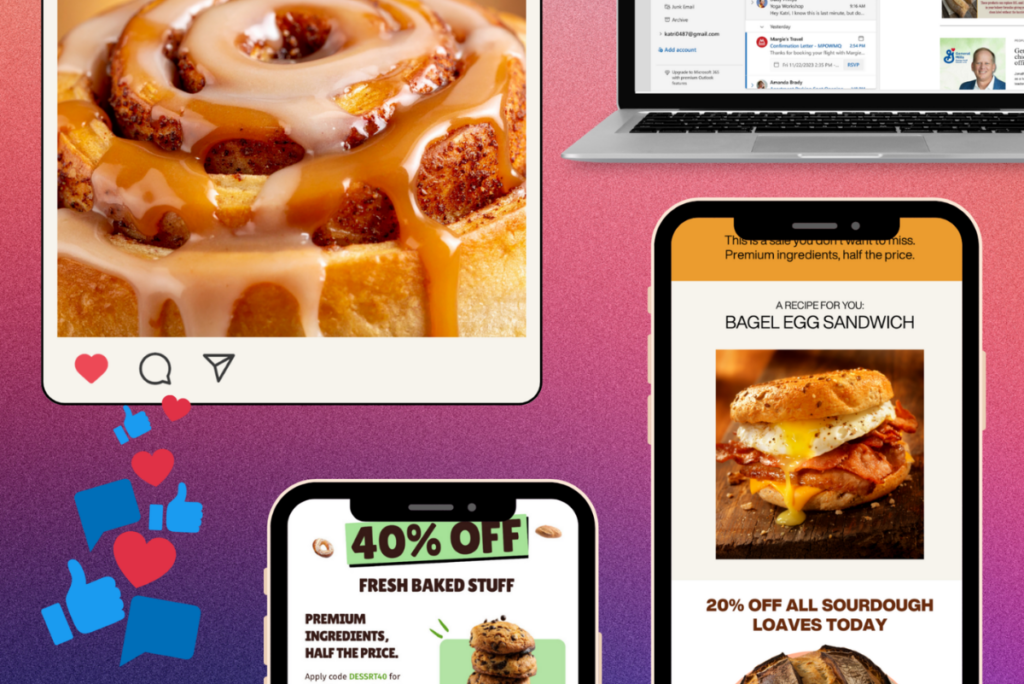
Meanwhile, younger demographics heighten the urgency. With Gen Z’s purchasing power climbing, brands cannot afford to rely on broad, universal messaging. This generation expects seamless digital fluency between inspiration, information and transaction. A recipe viewed on social media may prompt an in-store purchase later that week, and if brands don’t connect those touchpoints, they miss opportunities.
For commercial bakers navigating tight margins and complex retail relationships, the path forward may begin incrementally: building first-party email lists, collaborating with retail loyalty programs and investing in systems that unify customer data.
“You don’t have to do everything at once,” Ismail said. “But you do need a roadmap. Personalization is not a campaign. It’s a capability.”
That distinction aligns with Balanko’s broader view of digital food engagement.
“We’re moving from content-driven marketing to context-driven marketing,” she said. “It’s not just about showing up. It’s about showing up appropriately.”
In a category built on routine — the weekly loaf of bread, the breakfast staple, the lunchbox cookie — appropriateness often means anticipating needs before the consumer articulates them.
Ultimately, personalization in the bakery aisle mirrors shifts across the food industry. Consumers are signaling they value recognition, consistency and utility. They are also signaling impatience with irrelevant outreach. For brands, the opportunity lies in bridging that gap, and that means investing in the infrastructure to understand customers holistically and translating that understanding into timely, respectful communication.
In a marketplace where even staple categories compete for attention, relevance becomes a differentiator. The loaf that arrives in a shopper’s inbox at the right moment — tied to habits, preferences and schedule — stands a better chance of landing in the cart. In an industry defined by repeat purchase, that moment of recognition can make all the difference.
This story has been adapted from the April | Q2 2026 issue of Commercial Baking. Read the full story in the digital edition here.