


Advertisement

How to demand forecast in an ‘appetite economy’

Consumer looking for baked goods in a grocery store
PHOTO CREDIT: PAEGAG | ADOBE STOCK
BY: Ali Furman

Ali Furman

KANSAS CITY, MO — A drug that began in diabetes care is now the centrifuge for one of the most significant shifts reshaping the food industry.

The rise of GLP-1 weight loss medications is a physiological shift akin to tech breakthroughs like the smartphone. According to PwC analysis of Numerator GLP-1 panel data, by late 2025 roughly one in five US households reported having at least one GLP-1 user, an increase from less than one in 10 just 12 months prior. Adoption is climbing as oral pill formats emerge and insurance coverage expands. Twenty percent of non-users say they will consider the drugs if access and affordability improve.

For wholesale bakers and food and beverage leaders, a reset is already underway.

Looking through the lens

PwC analysis of Numerator GLP-1 panel data shows household spending patterns are shifting. In homes where a GLP-1 user is the primary grocery shopper, food spending declines 4%-6% within the first year. Single-person households experience steeper reductions, between 7%-9%, as dollars migrate toward fresh, protein-forward and nutrient-dense offerings. QSR spending falls roughly 5%, while casual dining declines closer to 2%, signaling a reduction in frequency more than a retreat.

Total household spending does not fall at the same pace. Across categories, overall spend declines by just 2%-3%. Consumers are reallocating.


Advertisement

Dessert consumption illustrates this shift. Everyday dessert frequency declines, particularly in impulse-driven items such as candy bars, packaged snack cakes and ice cream pints. Indulgence, however, does not disappear. Spending becomes more concentrated around premium, occasion-based desserts such as restaurant-quality cheesecake, gourmet pastries and shareable desserts tied to celebrations. Portions are smaller, but expectations regarding quality and ingredients are higher.

Physiology helps explain the pattern. While savory cravings tend to decline persistently, sweet cravings follow a different trajectory, an initial reduction that proves less sustained. The result is fewer habitual sweets but continued demand for desserts that are perceived as high quality and experiential.

In short, consumers eat less overall, but think more about what they eat and are more intentional when they do.

For mid- to large-volume bakeries, the question is unavoidable: If consumers eat less, will they buy less? In many cases, they already do. Units per basket decline. Categories built on indulgence, impulse and habitual snacking face early pressure.

Yet GLP-1 users do not disengage from food. They demand more from it.

Companies can no longer rely on growth from frequency, impulse or large portions. They must compete for a larger share of a smaller appetite.

Advertisement

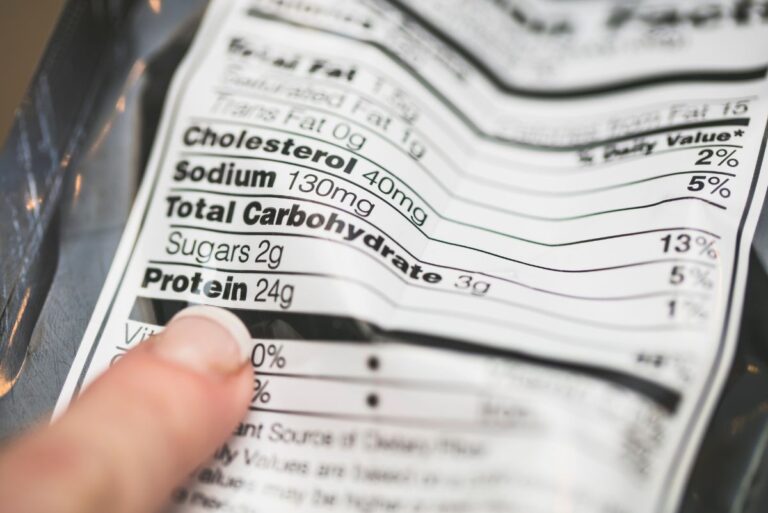
Consumers scrutinize labels. They pay closer attention to protein, fiber and key micronutrients such as zinc, iron and copper. They shop across more stores to curate baskets that align with evolving health goals. When they dine out, they trade up for higher-quality meals and ones that feel social and experiential.

This shifting dynamic forces a strategic reset. Companies can no longer rely on growth from frequency, impulse or large portions. They must compete for a larger share of a smaller appetite.

Winning in this environment requires precision.

Portion size and pack format become critical levers. Smaller portions and resealable packaging align with fewer eating occasions. Portion control no longer signals compromise; it signals alignment with broader wellness goals.

In foodservice, smaller plated desserts, high-protein breakfast items and balanced snacks may outperform legacy staples. Operators report strong uptake when protein additions appear clearly on menus or packaging, and consumers show willingness to pay for nutritional upgrades that align with personal health goals.

At the same time, no single GLP-1 consumer profile exists. Younger urban singles, suburban families and older empty nesters exhibit different patterns. Micro-demographic insight may separate reactive operators from proactive ones.

Executives do not need perfect foresight. They need discipline.

Advertisement

Next steps

First, quantify exposure. Track unit velocity, pack-size mix and basket composition across channels to identify which SKUs show early softness and which demonstrate resilience or growth.

Second, engage in scenario planning. What happens if GLP-1 household penetration reaches 30%? What if oral formats reduce friction? What if additional clinical indications expand beyond weight loss, sleep apnea, addiction and other conditions? Modeling can sharpen investment and portfolio decisions. New use cases could widen the consumer base and accelerate demand shifts.

Third, elevate organizational literacy. Cross-functional teams like sales, marketing and finance should stay close to this shift to design products and messages that align with evolving consumer behaviors.

GLP-1 medications have already changed consumption patterns and are redefining how people think about indulgence, health and identity. Large food and beverage companies are already responding by optimizing digestion, rethinking portion architecture and extending into health ecosystems. Wholesale bakers should respond with the same urgency.

The message is clear. The appetite economy does not eliminate opportunity but reallocates it from frequency to intentionality.

This story has been adapted from the April | Q2 2026 issue of Commercial Baking. Read the full story in the digital edition here.

Related News

Advertisement

Advertisement

Advertisement

Advertisement

Popular Articles