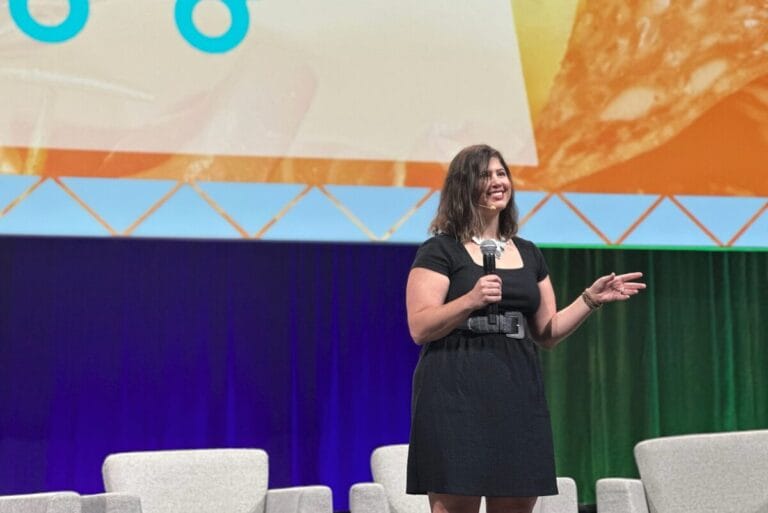
Shelley Balanko, senior VP at The Hartman Group, sees personalization as part of a broader shift in how consumers digitally engage with food brands.
“For years, the digital food landscape has been centered on inspiration,” she said. “Beautiful recipes, aspirational content, food as entertainment. But inspiration alone doesn’t drive the weekly bread purchase.”
What consumers increasingly seek, she noted, is utility: digital touchpoints that help them plan, shop and manage everyday eating. That tension between inspiration and pragmatism is particularly relevant in the bakery category. A decadent, eye-catching cinnamon roll may generate engagement on social media, but it is the timely reminder, coupon or replenishment nudge that converts attention into sales.
“Consumers are trying to simplify their lives,” Balanko said. “If a brand can remove friction by remembering what I buy, suggesting it at the right moment or helping me discover something aligned with my preferences, that feels valuable.”
Data suggests that value is defined less by novelty and more by consistency. According to Amperity’s research, nearly two-thirds of consumers say their favorite retailers are the ones that remember their preferences and purchase history across in-store, online and in-app interactions. Two-thirds also prefer retailers to recognize them when shopping digitally; only 8% say they do not want brands to remember them at all. The expectation does not stop at checkout. Consumers want personalization wherever they engage.
Delivering that continuous personalization, however, requires more than creative messaging.
“It starts with having a solid data foundation,” said Moe Ismail, senior VP of product management at Epsilon. “If you can’t accurately identify your consumer across devices and channels, you can’t personalize in a meaningful way.”
For many CPG brands — especially those that sell primarily through retail — building that unified view can be challenging. Transactional data, email engagement and website activity often operate in separate systems, limiting visibility into the full customer journey. Without integration, outreach becomes fragmented. A shopper may receive a promotion for a product they just purchased or fail to receive recognition as a high-frequency buyer.
“That’s where personalization breaks down,” Ismail said. “When the experience doesn’t reflect real behavior, it feels disconnected.”
This story has been adapted from the April | Q2 2026 issue of Commercial Baking. Read the full story in the digital edition here.