Eggs play a big role in baking. They help with structure, aeration, leavening, emulsification, moisture retention, color, flavor and more. With a bit of trial and error, egg replacers — wheat protein isolate, polysaccharides, emulsifiers and other plant-based alternatives — can be cost-effective and stable options.
“Eggs are very difficult to replace, especially in sweet goods,” said Ashley Beech, bakery applications development manager at Corbion. “Some egg replacers can lead to a denser or mushy texture or lower volume in the finished product. Gas retention might decrease during production, which results in cracking in cakes and muffins.”
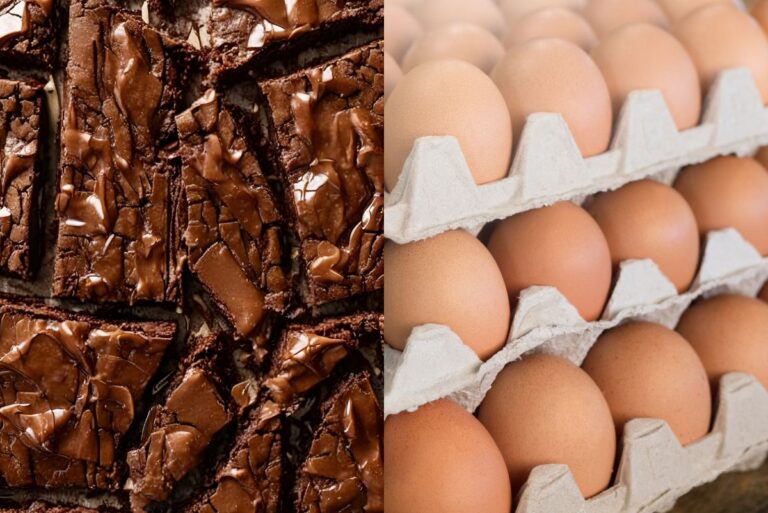
Depending on the application, egg replacers function differently and are rarely a one-to-one replacement. Typically, R&D teams must formulate with a blend, such as a protein and a gum, to achieve the full functionality of eggs. For example, baked goods with a high sugar content may need a combination to recreate the stabilizing function and texture that real eggs provide. In egg-rich products like brownies and pound cake, partial replacement might be the best option to maintain some of the structure and emulsification properties.
“It’s about tailoring the correct protein or replacement option to a customer’s project,” explained Samantha Meyers, product development and application manager with Manildra USA. “It’s important for bakers to understand that no matter which egg replacement option they choose, it’s not going to be exactly like egg because they function differently. You can get a product close to the egg version, but it’s not going to be an exact match.”
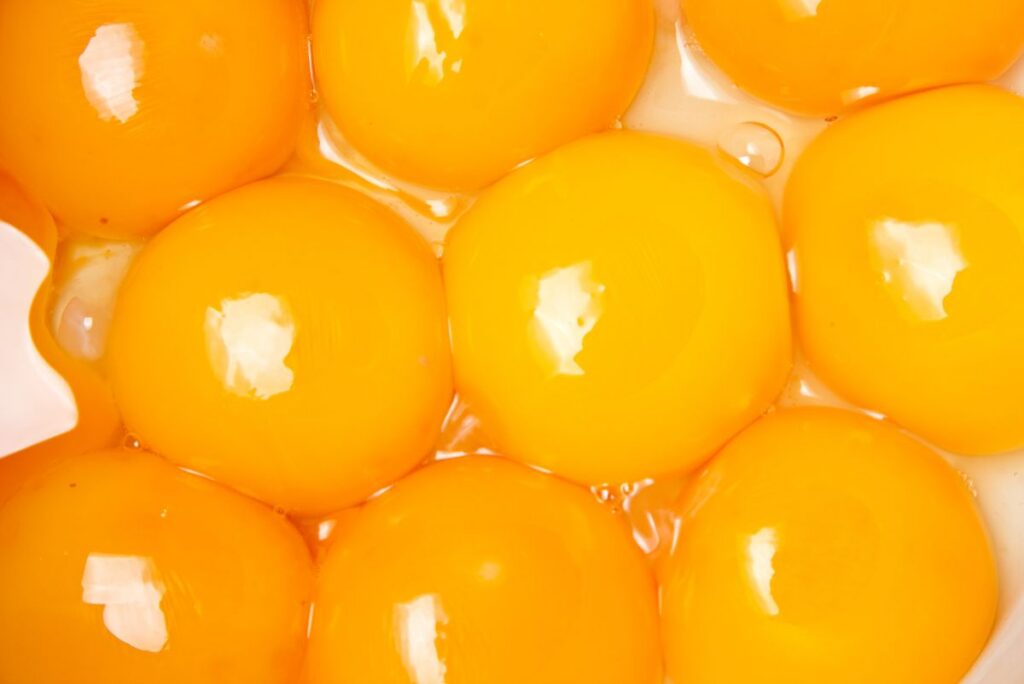
Egg replacers can also alter color, flavor and bake time. Real eggs impart a recognizable yellow color, whereas egg replacers tend to be more neutral, meaning bakers need to add something to recreate the expected color. They also have a neutral flavor, so a finished product may taste a little sweeter when real egg is removed, requiring additional formula adjustments. To obtain the full functionality of the replacer, the water content may need to be increased, which could require adjustments to bake time and oven temperature.
“A big chunk of the product development time is spent on a bench-top lab scale, because your process and formula are going to be a bit different depending on the product,” said Erin Surratt, senior director of research, development and applications at Corbion. “If you dialed in for one product, it won’t necessarily fit across all your different [formulas].”
This story has been adapted from the April | Q2 2026 issue of Commercial Baking. Read the full story in the digital edition here.