


Advertisement

EPR laws: Where to start, what to know

Bakery packaging and EPR laws, where bakers should start
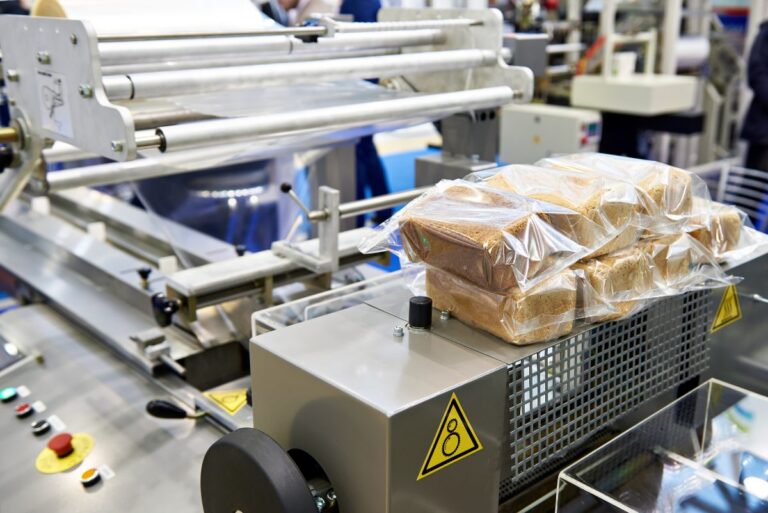
PHOTO CREDIT: MIGUELANGEL | ADOBE STOCK
BY: Mari Rydings

Mari Rydings

KANSAS CITY, MO — Currently, seven states — California, Colorado, Maine, Maryland, Minnesota, Oregon and Washington — have enacted Extended Producer Responsibility (EPR) regulations, which hold manufacturers, including commercial bakeries, accountable for costs associated with recycling, collection and disposal. The goal behind EPR is to reduce landfill waste, boost recycling rates, and encourage the development and use of more sustainable packaging materials.

For bakers wondering where to start when it comes to EPR, Veronica Ataya, director of marketing and innovation at St. Johns Packaging, recommends taking a holistic view of the portfolio and examining all SKUs to determine what type of packaging material each product, or product family, uses. The thicker the film, she said, the higher the fee because producers pay per pound.

“Every pound counts,” Ataya said. “Start with what you have today. Is there room for optimization? Work with your packaging supplier to see if there are other options — a smaller size, thinner film — that can run on your existing packaging line, give you the same efficiencies and reduce your EPR fees. Optimize everything you can.”
Advertisement

Bakeries that may not have the resources to manage EPR requirements in-house have a few options, including the Circular Action Alliance, which can help them calculate material weight, identify material types and guide them through each state’s requirements.

“There are several companies that can manage EPR data collection, sales tracking and reporting on a producer’s behalf, and handle the legal and regulatory aspects,” said Mark Bescher, founder of packaging consultancy Legacy Public Policy. “There are also consultants that help companies get set up so they can eventually collect and report data on their own.”

Using resources to solve the EPR puzzle

As bakers dig into the implications of EPR compliance, they can also turn to industry organizations such as the American Bakers Association (ABA) and SNAC International for education, the latest regulatory information and government advocacy. Both groups collaborate with Ameripen, a coalition of branded companies and associations working with individual states to find legislative solutions that work for everyone.

“ABA relies on Ameripen to be the main advocate in this space,” said Rasma Zvaners, VP of government relations for ABA. “This year, they have introduced legislation at the federal level that could help streamline the state patchwork and offer some clarity.”

Advertisement

Zvaners encourages ABA members to get involved with the association’s State Affairs Group to stay on top of what’s happening at the state level, both legislative and regulatory. The association can also connect companies to state resources and other member bakers that are further along in the compliance process and able to offer general guidance on best practices in accordance with antitrust laws. The association also works with HB Strategies, a national advocacy firm, to track packaging bills and legislation and provide bi-weekly member updates.

The future of EPR

SNAC International is also at the ready to help its members traverse the EPR landscape.

“SNAC has been engaged throughout the policy process, working with policymakers, regulators and program operators to help ensure requirements are clear, practical and reflective of the realities of food packaging,” Grill said. “We provide our members with regular policy updates, state-by-state summaries, and broad guidance on key deadlines and requirements, along with opportunities to engage directly with experts and peers.”

After years-long anticipation, on May 1, California published its permanent EPR and packaging source reduction law, along with the fee structure. Under SB 54, by 2032, producers must reduce their use of covered materials by 25%; ensure a 65% recycling rate; and achieve 100% recyclability or compostability for all single-use packaging and service ware.

Advertisement

With at least eight additional states expected to move EPR bills forward in 2026, and two to three states anticipated to announce regulations each year following, there’s no better time than the present for producers to start talking with their packaging material suppliers and raising awareness with their teams.

For the short term, many food and beverage manufacturers may feel dazed and confused over how to approach EPR compliance until more structure and details emerge. In the long run, states that enact these regulations do so with the hope of encouraging producers to move to more recyclable packaging to reduce their fees. Will it work? Only time will tell.

This story has been adapted from the 2026 New Products Annual of Commercial Baking. Read the full story in the digital edition here.

Related News

Advertisement

Advertisement

Advertisement

Advertisement

Popular Articles