The nitty-gritty
EPR laws aren’t new, but the focus on paper and packaging is. CPG companies must report the type, amount and weight-by-pound of packaging material they contribute to each state via a third-party Producer Responsibility Organization (PRO) that monitors compliance. Fees are then assessed based on weight of the packaging material, material type, level of recyclability or compostability, and ease of processing within existing systems.
The only consistent thread among the states is that they all use the same PRO: the Circular Action Alliance (CAA), a non-profit founded by 20 representatives from the food, beverage, consumer goods and retail industries. The exception is Maine, which, as of press time, had not yet selected a PRO. Beyond that, each state has its own definition of producers, weight requirements, material types/categories and fee structure.
May 31 was the first compliance deadline. That’s when producers that distribute packaged products to EPR states were required to submit their CY 2025 Annual Supply Reports to the CAA. That task involved gathering data from several different sources and compiling it into seven different reports to meet seven different sets of compliance regulations.
Navigating new waters
The lack of a standard definition and consistent framework is perhaps the biggest hurdle to EPR compliance.
“It’s a huge puzzle,” said Rasma Zvaners, VP of government relations for the American Bakers Association. “Our members ship nationally, and the impacted states define ‘producer’ differently. A baker may know where they specifically send their product, but if they send it to a distributor that then sends it to four or five other locations, tracking the covered materials data becomes more complicated. Producers need to report this information, which is then used to set fees or dues that are paid into the state’s PRO.”
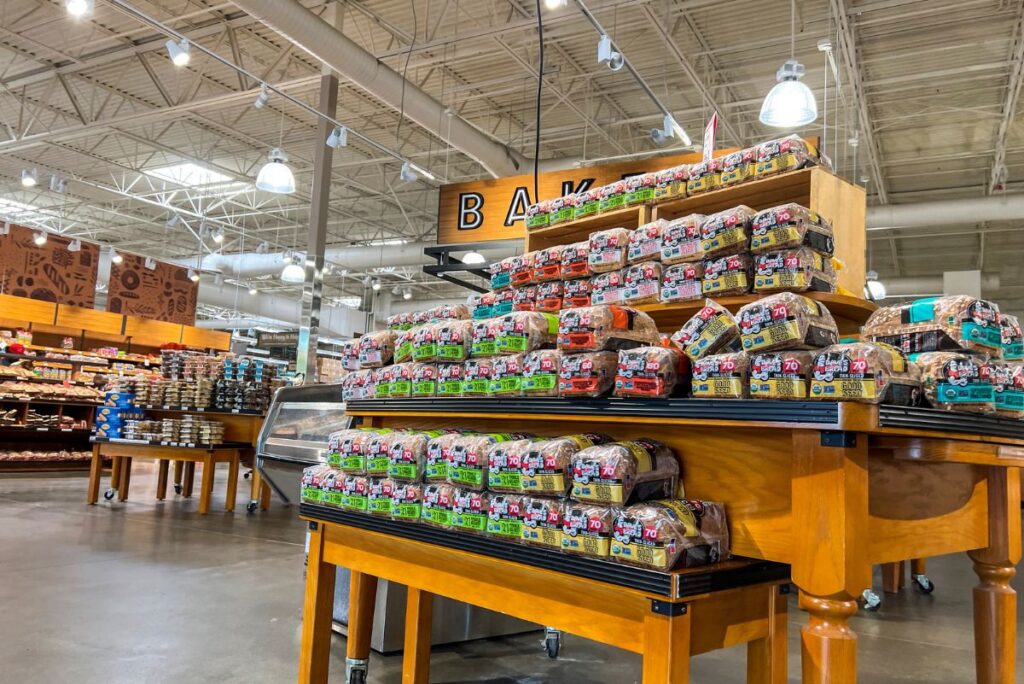
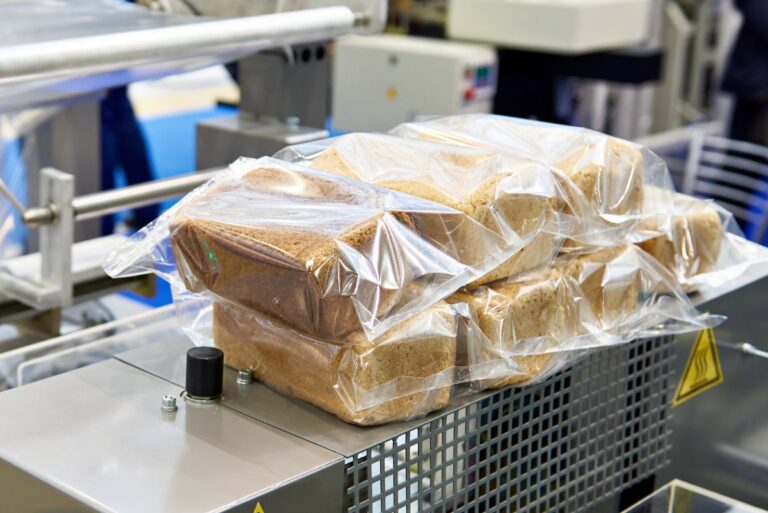
For example, when a bakery ships bread loaves to a grocery store in a state with active EPR laws, it must report on every packaging component that reaches consumers, including the bread bag and its closure.
“They must report on anything that enters the residential disposal stream,” said Veronica Ataya, director of marketing and innovation at St. Johns Packaging. “It becomes very complex for companies to do this, especially if they produce multiple items. They have to do it for every single package. It’s challenging for larger bakeries that have a data collection system in place, but for smaller companies that may not have those types of systems, it becomes really difficult.”
EPR isn’t just a challenge for packaging teams to solve. Nearly every department — sales, finance, R&D, procurement, operations, IT — has a part to play in ensuring accurate reporting and compliance. Building internal awareness is a key first step.
“Companies should understand their packaging footprint, track data such as material procurement and monitor how requirements are developing across states,” advised Matthew Grill, VP of advocacy for SNAC International, the leading non-profit international trade association for the snack industry. “As programs move forward, companies need to understand how fees will evolve and how requirements align with real-world packaging, food safety and supply chains.”
This story has been adapted from the 2026 New Products Annual of Commercial Baking. Read the full story in the digital edition here.