

Advertisement

‘Snack’ of all trades

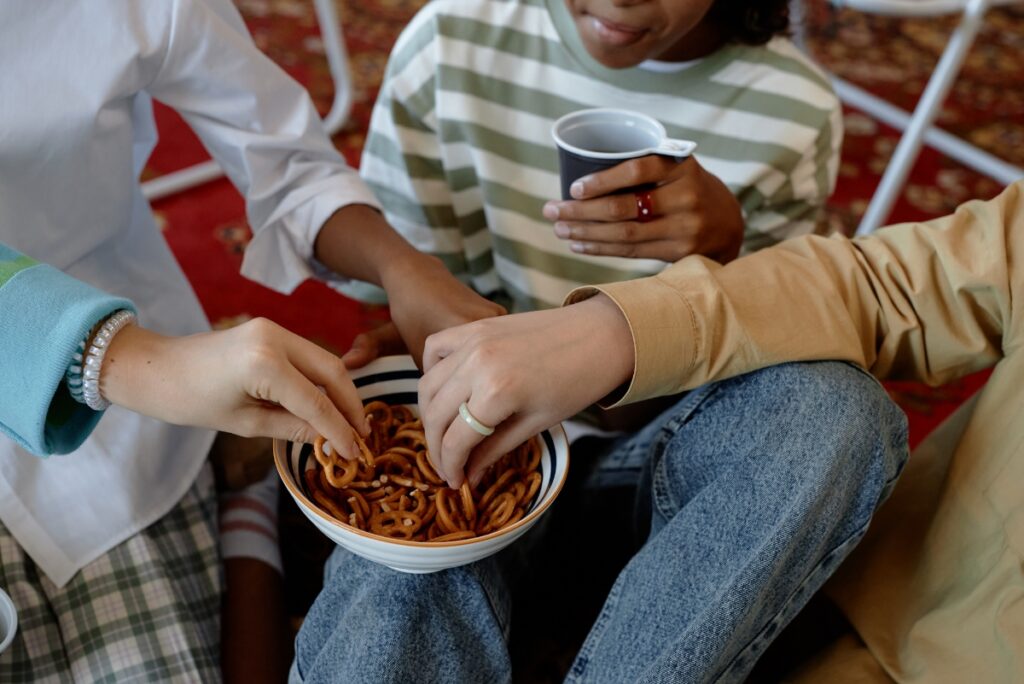
people sharing pretzels
GRAPHIC COLLAGE BY AVANT FOOD MEDIA
BY: Mari Rydings

Mari Rydings

KANSAS CITY, MO — Comfort provider. Meal replacer. Wellness supporter. Social butterfly. Snacks — and snacking — are enjoying jack-of-all-trades status as consumers across global markets increasingly turn to them to fulfill many of their lifestyle wants and needs.

The trend explains the uptick in sales over the past year. Circana data reports that in the US, snacking reached $231 billion in sales, up 3.2% vs. a year ago. Europe’s six largest markets (EU6) generated $2.15 billion (€186 billion), up 5.5%, and Australia posted $2.12 billion (A$30 billion), up 6.9%. Sweet snacks are gaining share in all three regions, and private label represents 16.6% of snack unit share in the US and 46.6% in Europe.

Daily snacking on the rise

Circana’s “2026 Global Snack Unwrap, A New Era of Function, Fuel and Fun” report found that in the US alone, 55% of shoppers now eat three or more snacks each day, up nine percentage points since 2021.

“Snacking has become one of the most reliable growth engines in food and beverage, and the reasons behind each purchase are now more deliberate than ever,” said Sally Lyons Wyatt, global EVP and chief advisor at Circana. “Consumers expect their snacks to do more, whether that means delivering protein, supporting a health goal or simply providing a moment of joy. The brands that win will design products around these specific needs and prove their value at every price point.”

The “2026 State of Snacking” report, conducted by Mondelez International, Mintel and Black Swan Data, found that, for many consumers, snacking has evolved into a lifestyle behavior.

“Snacking has become a part of our daily lives across so many markets,” said Jenny Zegler, principal strategist, food and drink, with Mintel. “It’s a daily ritual, and it’s a habit that delivers so much more than substance. Sometimes, it’s a bit of fun. Sometimes, it’s filling in nutrition gaps in a diet, and sometimes, it’s those moments we share together.”
Advertisement

Snacks cover comfort, health and convenience

Comfort is the No. 1 reason consumers snack, according to the report, and that ranking is consistent across generations, from Gen Z to baby boomers. Consumers still subscribe to “tiny treat” culture, often choosing sweet snacks as an emotional reward for a job well done, no matter the size.

Snacks are also on tap to help support health goals, especially those centered around energy, digestion and weight management. Growth opportunities in this area should focus on smaller portions; individually wrapped items; nutritional density, particularly protein-rich and high fiber; and GLP-1 medication use.

“Portion control is top of mind for consumers,” said Desiree Battaglia, manager, global media relations for Mondelez. “To make that easier, most of our products have mindful portion labels where people can see at a glance the calories per serving as well as other nutritional information like sugar or sodium per serving.”

The long-standing convenience factor is another reason daily snacking is on the rise. Consumers with busy lifestyles want on-the-go options that satisfy hunger and require little effort. The persistent demand for convenience is moving snacking into a new role: meal replacer. It’s a role that’s stimulating category growth.

The latest snacking research from Hartman Group breaks this new behavior down by generation: 45% of Gen Z and 56% of millennials craft a meal from snack foods at least once a week. The most commonly replaced meals? Breakfast and lunch, as consumers look for meal options that require less planning, minimal prep and increased flexibility.

Advertisement

Snacks are also a social connector

Snacks are still the center of attention at social gatherings, and that aligns with the snacks-as-comfort trend because many consumers fulfill that need by sharing with others.

“Snacking helps fuel social occasions,” Zegler said. “Connection is becoming as important as convenience. People tend to gather near the food at parties, and hosts can prompt conversation and connecting through those snacking spreads.”

Advertisement

As the World Cup gatherings end and football tailgating begins, brands can leverage the social power of snacking by partnering with celebrities, offering sweepstakes, developing engaging portfolio activations and incorporating local relevance in their snack offerings.

“Snacking is no longer a uniform category, and what drives growth looks very different from one market to the next,” said Ananda Roy, senior VP and industry advisor at Circana. “Success depends on reading regional signals precisely and acting on them faster than the competition.”

Related News

Advertisement

Advertisement

Advertisement

Advertisement

Popular Articles