

Advertisement

Snack bar trend: Here to stay or fading away?

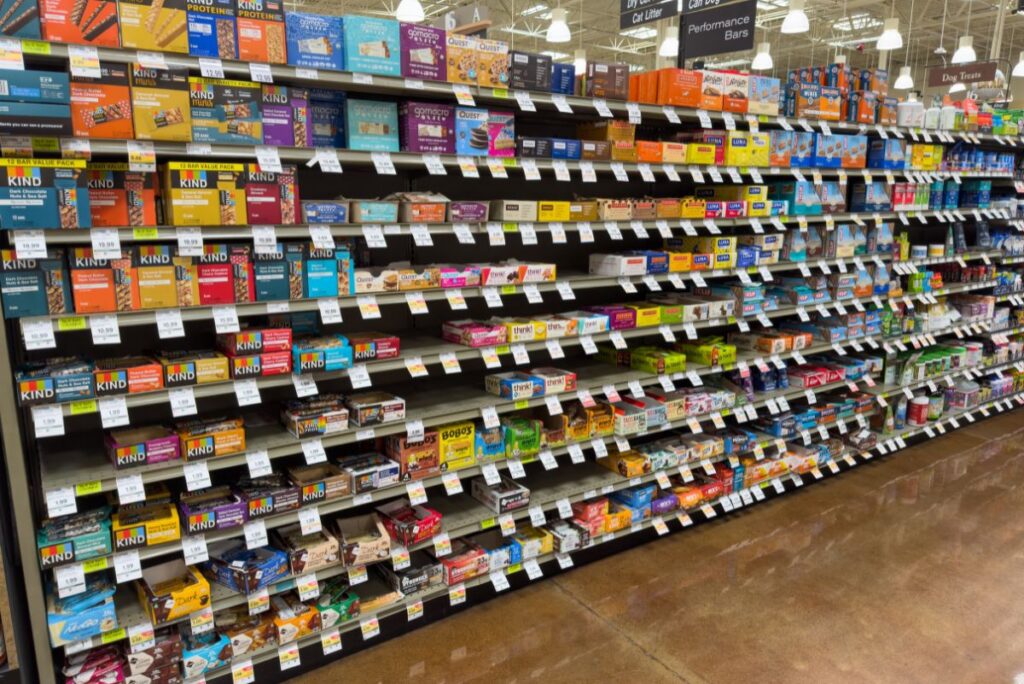
Snack bar aisle in grocery store
PHOTO CREDIT: JAMMER GENE | ADOBE STOCK
BY: Maddie Lambert

Maddie Lambert

KASNAS CITY, MO — Picture this: A consumer is between meals, on the go to their next destination, but they’re hungry. What are they reaching for?

In today’s food climate, the answer is a snack bar.

Innova Market Insights’ 360 research into the US snack bar market has seen a steady rise in sales and volume over the past five years, at 5% and 3% CAGR, respectively. That same study found that, in 2025, nearly half of US consumers purchased cereal and energy bars, surpassing the global average of 37%.

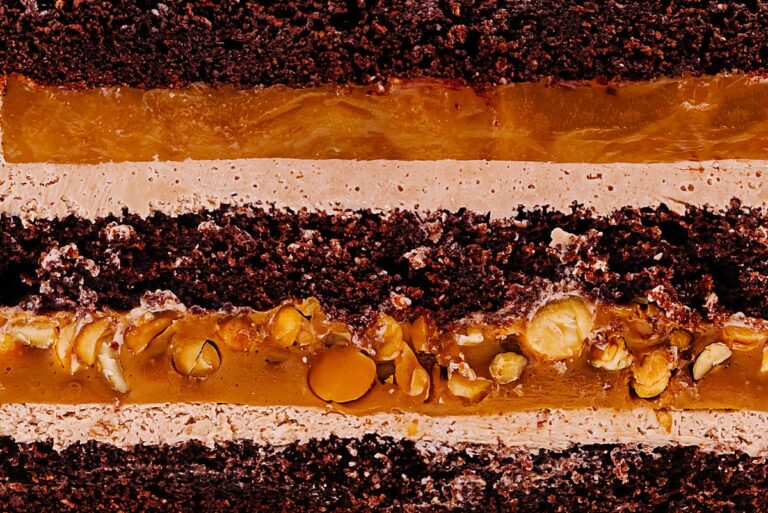
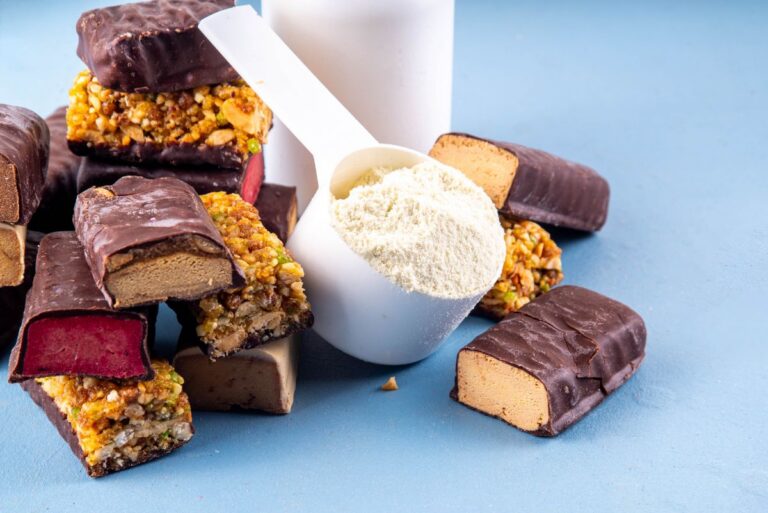
It’s easy to see why these are so popular among consumers. They’re a quick-fix hunger solution that seamlessly fits into diet goals and calorie counting. Today, product development in this category typically involves combining healthy macronutrients with dessert-like flavors. Think gooey brownie centers, creamy caramel coatings and crunchy peanut butter layers. While this comprises the interior, the exterior label touts premium protein and fiber galore.

So, are nutrition-forward snack bars just another trend that will soon be in the rearview mirror (like when every product launch was marked “keto”), or does this snacking trend have staying power?

Advertisement

More than a bar

The better-for-you snacking category is practically a beacon for growth across the grocery, c-store and foodservice sectors. When consumers shop today, they’re seeking to fulfill both their nutrition expectations and craving for indulgence … all in the form of a perfectly portioned snack bar. But there’s more to this category growth than just its format.

“Protein and fiber are especially important in driving relevance, as shoppers look for options that help keep them satisfied and energized throughout the day,” said Danielle Benjamin, senior director of brand management for Dave’s Killer Bread (DKB), a Flowers Foods brand. “At the same time, whole grains remain a key component, reflecting a broader desire for more ingredient-forward snacking choices like oats, nuts and seeds.”

Recognizing this consumer behavior, DKB jumped on this momentum and launched its Amped-Up Protein Bars, a soft-baked snack that delivers 10 grams of plant-based protein, 4 grams of fiber and 7-8 grams of whole grains. The brand released them in three familiar, yet decadent, flavors: Peanut Butter Chocolate Chunk, Double Chocolate Coconut and Blueberry Almond Butter.

For a successful product launch that resonates with consumers, balance is key. R&D teams should prioritize flavors that feel indulgent with ingredients they know are wholesome.

The US snack bar market has seen sales and volume rise steadily over the past five years, at 5% and 3% CAGR, respectively. Source: Innova Market Insights

Advertisement

Whole foods like quinoa, rolled oats and chia seeds are prime examples that help bridge this gap. These natural ingredients play a role that goes beyond taste, delivering essential nutrients, supporting digestion and reducing chronic health risks.

“Functional benefits are still a number one priority for consumers,” said Osher Hoberman, chief marketing officer of KIND North America. “As this trend continues, consumers want functional benefits to feel individualized and specified to their diet. This means not only providing them with the macros they need but also innovating with flavor and texture.”

KIND did this by launching Protein Max Bars in various flavors that can satisfy even the pickiest sweet tooth, such as Crispy Chocolate Peanut Butter, Sweet & Salty Caramel Peanut Crisp, Raspberry Cocoa Crisp and Dark Cocoa Crisp. Each flavor offers 20 grams of protein and 1 gram of added sugar.

A balancing act

KIND balances its core SKU consistency with the demand to bring “newness” to the shelf by differentiating products. For example, KIND’s newest Protein Max bar line puts the high-protein claim front and center while its traditional bar line takes a different approach, highlighting whether the flavor is savory-coded or fruit-forward with seeds and nuts.

Advertisement

“It’s all about the snacking occasion; two bars can coexist within the same space while offering different benefits,” Hoberman said. “For example, our original protein bar SKU, ‘Protein from Real Food,’ has 12 grams of protein, with the entire protein source stemming from peanuts. We find that many of our consumers use this bar as an on-the-go meal replacement. However, consumers are also increasingly looking for specific functional benefits from bars that will fit their macros across carbohydrates, fiber and protein.”

This is where the brand’s Protein Max bars come in. Made with peanuts, soy protein isolate, and allulose, each bar delivers 20 grams of protein, 9-10 grams of fiber and no added sugar.

DKB also heeds the demand for products that balance format familiarity and new-product novelty. Earlier this year, the Flowers Foods brand recently launched its soft-baked breakfast bars, a certified USDA Organic and Non-GMO Project Verified SKU that packs 4 grams of fiber, 3 grams of protein and 15-16 grams of whole grains per bar.

“We’re seeing strong momentum in formats like bars and bites, where convenience meets functionality and taste,” Benjamin said. “Ultimately, the growth is being driven by evolving consumer preferences. People are snacking more often and actively seeking snacks that deliver the full package of great taste and meaningful nutrition, including high-protein options.”

DKB and KIND are just two of hundreds of brands responding to demand for snack bars. For those who aren’t sure about this trend’s staying power, look at both the market penetration and consumption frequency. Through diet-targeting, occasion-based marketing and innovative shelf-life positioning, commercial bakers can stand out in an arguably over-saturated market.

Related News

Advertisement

Advertisement

Advertisement

Advertisement

Popular Articles