

Advertisement

Tradeshow ‘ins’ and ‘outs’: Beyond the badge scan

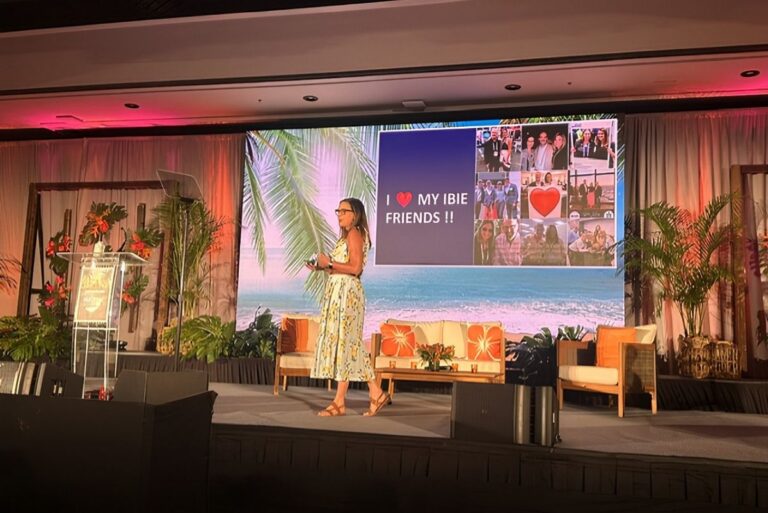
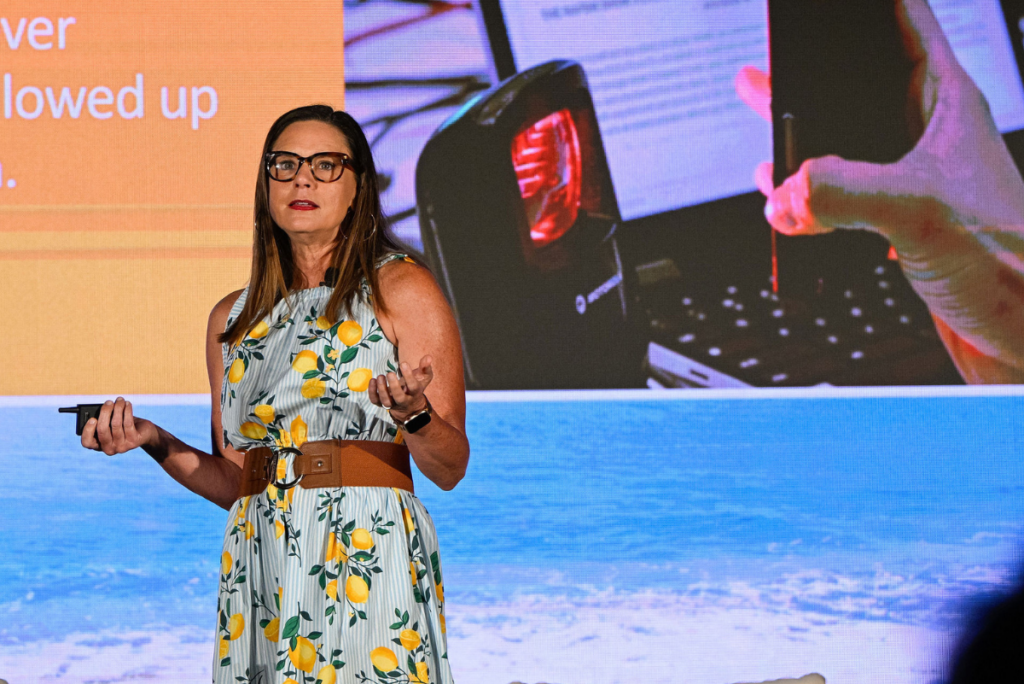
Kimberly Hardcastle on stage at BEMA Convention 2026
PHOTO COURTESY OF BEMA
BY: Joanie Spencer

Joanie Spencer

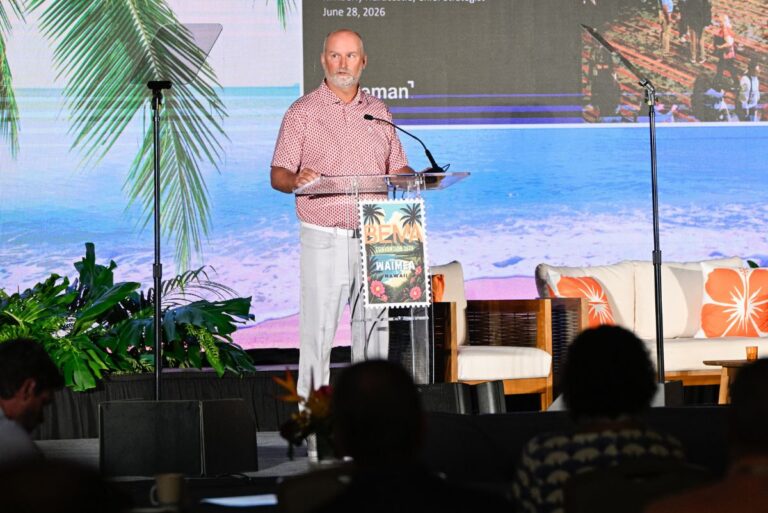
Kimberly Hardcastle, chief strategist for Freeman, a global leader in exhibitions, exhibits and events, has worked with the International Baking Industry Exposition (IBIE) in various roles throughout her career for more than two decades. In her current role, she works closely with Freeman’s Audience Insight Division, which fields quarterly research across the company’s portfolio of events, which includes IBIE. At the BEMA annual convention, held June 25-29 in Waimea, HI, she shared insights for what attendees expect from their show experience.

 In this installment of a three-part series, Joanie Spencer, editor-in-chief of Commercial Baking, outlines Hardcastle’s advice for ensuring a successful IBIE 2028 booth experience.

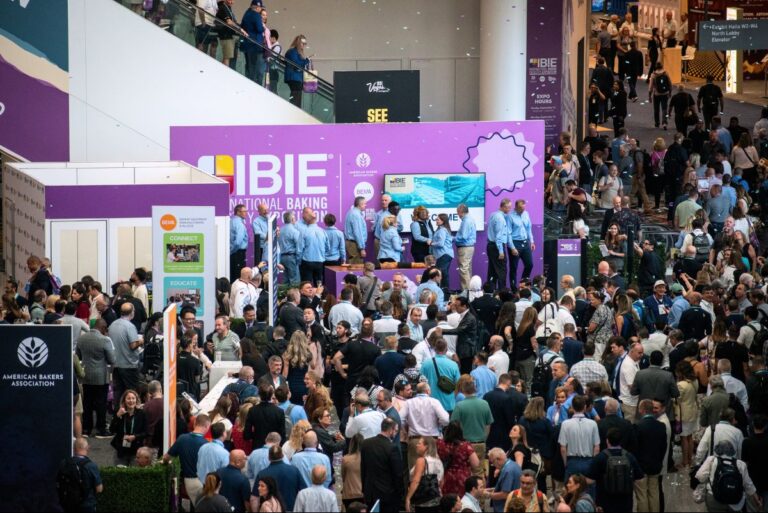
WAIMEA, HI — While it might seem to be a long way off, exhibitor booth draws for the International Baking Industry Exposition (IBIE) begin early next year, and that means exhibitors will soon be setting their booth strategies. BEMA, which co-owns IBIE with the American Bakers Association, hosted Hardcastle, who provided insights with exhibitors during its annual convention, held June 25-29 in Waimea, HI. As the attendee profile evolves, so must the ways exhibitors showcase their products and deliver information.

“When I reference the ‘old’ ways of doing things, it’s likely that those strategies have worked for your organization in the past,” Hardcastle said. “But today, it’s important to keep an open mind because the way attendees move through events now is different, and the way they’re making decisions has changed. It’s not about saying there’s one right way to exhibit, but the goal is to provide a new lens for looking at tradeshow strategies to make intentional decisions now that will pay off later.”

OUT: Just showing up

IN: Showing up prepared

If attendees are hitting the show floor already prepared with a short list, exhibitors have to be prepared … both before and after the show.

“It’s important that the conversations you start in the booth don’t lose momentum after you’re back in the office and trying to figure out a follow-up plan,” Hardcastle said. “IBIE still feels far away, but the point of planning now is that it’s easier to do when you have time to be strategic, rather than during the final countdown.”

Data from Exhibitor magazine revealed that exhibitors who engage in pre-show marketing report stronger booth traffic, increased brand awareness, improved lead quality and better on-site interactions. This all feeds into the attendee trend of pre-show research.

That said, 80% of general tradeshow exhibitors do little to no targeted tradeshow marketing, and 64% of tradeshow leads receive no follow-up.

“This is your opportunity,” Hardcastle said. “If attendees are making plans before they arrive, and other exhibitors aren’t doing anything to influence those plans, you have an opportunity to stand out.”

It’s not only about being discoverable before the show, but it’s also about helping show goers understand why an exhibitor should be on their short list.

“During the show, exhibitors must create interaction that helps them move forward with an attendee,” she continued, “and after the show, there needs to be a follow-up plan to keep the momentum going. A successful plan is about the full journey, before, during and after the show.”

Advertisement

OUT: Standing and scanning

IN: Touching and trying

While technology like badge scanning helps exhibitors build a database for sales leads, it can’t replace the booth experience.

“Badge scans are still important,” Hardcastle said. “But if the attendee only experiences a quick scan and a promise to follow up, then you’re missing out on what makes a live event so valuable.”

People come to tradeshows to experience what’s new — to see it, try it, touch it — and that can only happen through time in the booth.

Freeman research revealed that hands-on exposure to products and services was a key factor in determining an attendee’s ability to evaluate what’s on display in a tradeshow booth. Whether it’s equipment, ingredient solutions, processes or technology, the hands-on aspect creates the defining moment for a shortlisted exhibitor.

Of tradeshow attendees who did not have hands-on booth experiences, 42% indicated they’d be more likely to prioritize another vendor, according to Freeman. On the other hand, the research also showed that of those who did receive a hands-on experience, 95% said it was easier to determine whether the product or service would be a good fit.

“Attendees are telling you how to help them move forward,” Hardcastle advised. “They’re saying, ‘Let me see it, let me experience it. Let me picture it in my own business.’”

She advised exhibitors to develop immersive activations such as product trials, live demos, simulations and interactive technology. This way, potential customers can experience what’s being offered, instead of just hearing about it.

Freeman research indicates that 84% of show goers say connecting with subject matter experts is “extremely or very important” to the event experience. — Freeman | Audience Insight Division

Advertisement

OUT: Generic booth talent

IN: Subject matter experts

The baking industry is relational, not transactional. Well-researched attendees come to events like IBIE looking for more than what they can get from a website or social media.

“They want access to the people who really know the product, the process, the science behind it,” Hardcastle said. “They overwhelmingly want to interact with the people who can answer the deeper questions.”

The key is creating balance between those who can create a welcoming environment and the ones who can dig into the technology. Freeman research indicates that 84% of show goers say connecting with subject matter experts is “extremely or very important” to the event experience.

According to Freeman data, more than half of show attendees said speaking with subject matter experts would improve their interactions with exhibitors, but only 26% of exhibitors identified it as one of the most important ways to improve engagement in a tradeshow booth.

“That should reinforce the idea that IBIE booth staffing decisions should be made strategically,” Hardcastle said. “If your booth is only staffed for greeting, scanning and general product introductions, you might not be ready for the attendee who shows up having done their homework.”

Seeing the booth as one point in the buyer journey helps create a vision for strategizing the various roles that are necessary for converting discovery into action.

This is the first installment in a three-part series focused on IBIE exhibitor strategies. For more information on IBIE and booth selection, visit www.bakingexpo.com.

Advertisement

Related News

Advertisement

Advertisement

Advertisement

Advertisement

Popular Articles