Advertisement

Baking industry leaders share their goals for 2026

Baking industry leaders share their goals for 2026
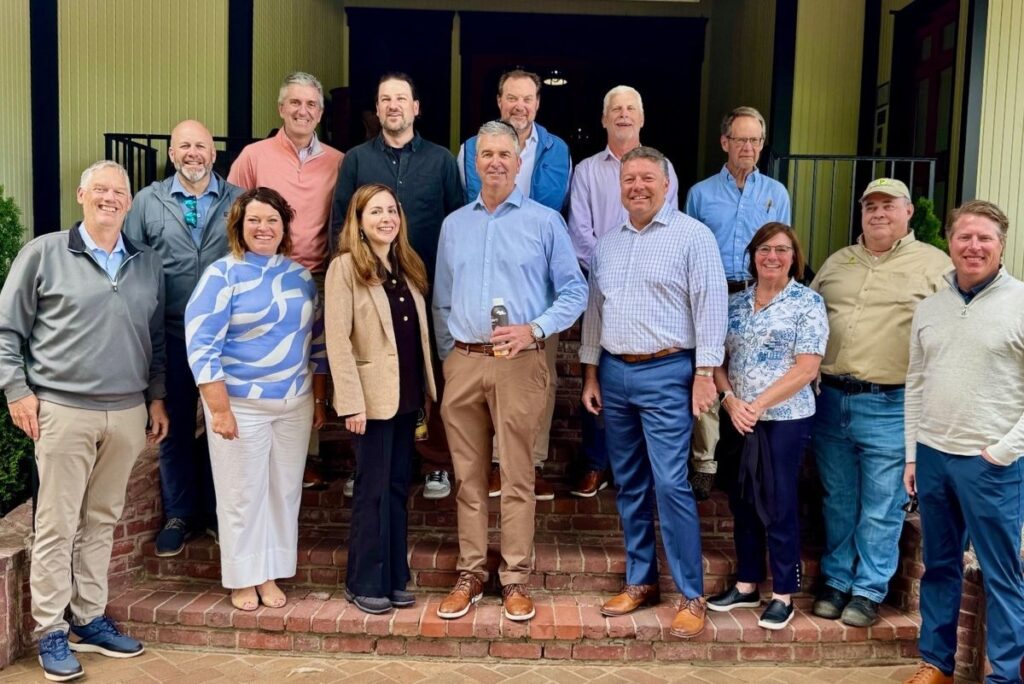
PHOTO COURTESY OF THE AMERICAN SOCIETY OF BAKING
BY: Joanie Spencer

Joanie Spencer

KANSAS CITY, MO — The commercial baking industry certainly had its share of challenges over the past year. But it also demonstrated resilience and collaboration as bakers and suppliers came together across the board to discover new opportunities and solutions. Add in two international tradeshows — with IBIE at the peak — and there has been no shortage of fodder for reflection.

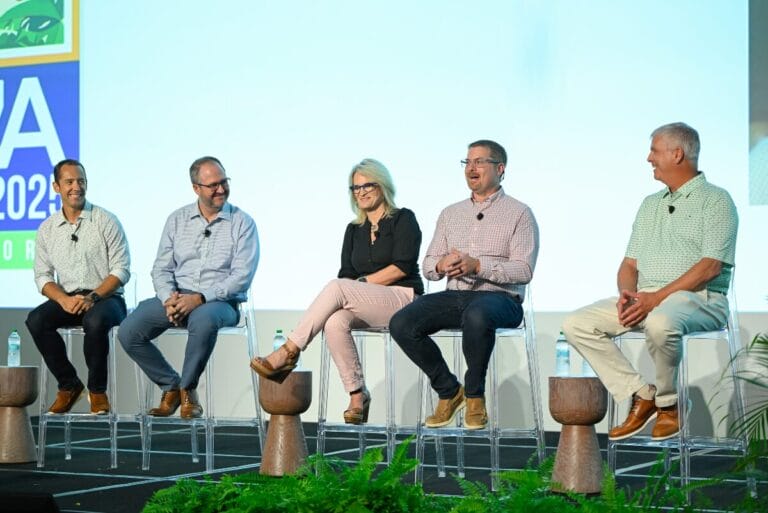
In the first roundtable of association servant leadership, Bill Quigg, president of Richmond Baking and More Than A Bakery; Matt Bowers, senior director of R&D for New Horizons Baking Co.; and Jay Hardy, VP of sales at J&K Ingredients — board chairs for the American Bakers Association (ABA), American Society of Baking (ASB) and BEMA, respectively — sat down with Joanie Spencer, editor-in-chief of Commercial Baking. They each shared their perspectives on what stood out in 2025 … and what they’re looking forward to in the year ahead.

Challenges often lead to opportunities. What opportunities do you see for 2026?

Matt Bowers: The greatest opportunity for us is in collaboration and adaptability. The pace of change, from automation to evolving food safety regulations, demands that we work together across organizations and sectors. Our workforce gap study with ABA and the International Dairy Deli Bakery Association gave us actionable insights into where skills are lacking, and we’re using that data to shape our new training and development offerings. As we move forward, shared resources and joint advocacy will be key because the more we align efforts across the industry, the more future-ready we’ll all be.

Advertisement

Jay Hardy: It goes to workforce dynamics. It’s skill shortages, to Matt’s point, with training, human capital, ongoing strategic risk, but it’s also an opportunity for those who lead the workforce strategies. We need to have trained bakers, and we need to have trained engineers, from operational engineers to the ones who know how to fix the equipment.

With the policy and regulatory pressures impacting manufacturing, how do we continue the food safety aspect without creating a higher price tag? And how do we get there with more functional ingredients? Having these challenges definitely creates opportunities. It’s all in how we embrace it and not run scared from it.

Bill Quigg: I see real opportunities for ABA to help elevate the value of our products and drive renewed policymaker understanding. While we faced challenges this year, I’m optimistic. Conversations with legislators and government agencies have been productive, and our relationships with FDA, USDA and others are strengthening in meaningful ways. Dialogues are becoming increasingly valuable, positioning ABA to make greater progress for the baking industry.

I’m also hopeful that the tariff conversations are mostly behind us. That’s going to allow better predictability for bakeries on the capital spend side, which gives me optimism as well. Having these open conversations and coming to mutual understandings will certainly serve our industry well.

What are your takes on IBIE from the attendee, exhibitor and association perspectives?

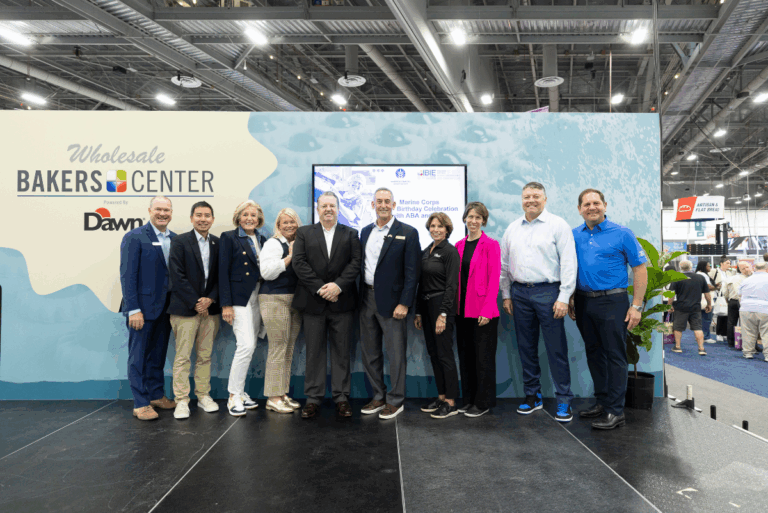
Hardy: This is the first year that J&K has exhibited at the show, and our marketing team put together a fantastic booth in the North Hall. I’ve got to say, the North Hall was buzzing. It was a blend of wholesale and retail vendors, just buzzing with people every day. And the upgrades to North Hall made a big difference. Being a first-time exhibitor and having some first-time attendees working in our booth, it was amazing to see those eyes wide open. It did not disappoint.

From the perspective of BEMA as a co-owner of IBIE, we had the most booths ever, at just over 1,000. There were some ‘mega’ booths with multiple brands, and we also had strong numbers for first-time exhibitors. In talking to some of the exhibitors who are also BEMA members, this cycle seemed to host many attendees who were decision makers. As much as companies see IBIE as a reward for a job well done, I think this year it was, ‘Let’s go get some business done.’ I believe the quality of leads may have exceeded previous show cycles.

Quigg: I was just wide-eyed in amazement at how successful IBIE was! Just walking around the show and spending time with friends, but also meeting new equipment, ingredient, packaging vendors and all kinds of different people was so fulfilling. From an ABA perspective, I had this immense pride and thankfulness for everyone’s hard work, and from a baker member standpoint, I learned so much. The breadth of what I learned was amazing. Listening to professionals talk about values and making real contributions in the community, as well as specific ways to make manufacturing more efficient, more effective, it was all invaluable. There were just so many different aspects of the industry represented, and once I immersed myself in learning about the various facets, it really broadened my perspective.

Bowers: I heard tremendous feedback from our members, volunteers and partners about what an energizing event it was. IBIE was a powerful reflection on how vibrant and connected our industry is right now. And for ASB, this year’s participation through our Recharge Lounge was especially exciting. It was a space where people could take a break, recharge — literally and professionally — and have meaningful conversations about what’s happening across the industry. We also hosted fireside chats, which were informal sessions with industry experts on topics like workforce, recruitment, food safety, consumer trends and future innovations.

From a broader perspective, I was encouraged to hear how strong the collaborative energy was throughout IBIE. There was clear alignment between ABA, BEMA and RBA, all working toward common goals. It was so satisfying to see ASB contribute to that ecosystem by serving as a hub for learning, connection and professional growth within the industry.


Advertisement

Consolidation was visible at IBIE. How does that impact your organizations?

Hardy: I think BEMA really took the opportunity to see what consolidation looked like at IBIE and consider what it means for membership. That’s something that will play a role as we work on our five-year strategic plan.

Quigg: I would also note that the breadth of the industries we’re representing is getting wider. These supplier and vendor companies have different lines of business that, by default, create different product opportunities. Historically, ABA has been a ‘bread and bun’ kind of organization. Many years ago, that was sort of the dominating category, right? And while, certainly, it’s hugely important to ABA, it’s also gotten so much broader. I mean, to have a ‘cookie cracker guy’ as chair of ABA is a shift.

Bowers: That all mirrors what we’ve been seeing as well. From ASB’s perspective, consolidation has meant that some of our member companies have grown larger and more complex, while at the same time, many smaller, specialized suppliers have found new opportunities to innovate and serve those larger systems. The membership mix is evolving, but the sense of community and shared purpose remains strong. In fact, we’re seeing more collaboration than competition among our members, as they realize each plays a crucial role in sustaining a healthy supply chain to serve the full spectrum of the industry. That’s why it’s so important for us to adapt by expanding our offerings and to make sure that, regardless of company size, every member finds value.

Consolidation will likely continue, but we see an opportunity in that larger organizations tend to have greater resources for R&D and workforce development, and that creates a ripple effect of knowledge and innovation that benefits the entire industry. Our job at ASB is to keep the channels open to make sure those insights, technologies and training opportunities reach everyone. And if we can keep that collaborative spirit strong, consolidation won’t shrink the industry’s influence; it’ll strengthen its capacity to innovate and evolve together.

Looking to 2026, what words of wisdom can you offer your association members?

Quigg: We’re going to advocate for you, for your positions, and I can tell you with 100 percent certainty we care about our members. ABA is truly listening to what our companies have to say and understanding that differing viewpoints are welcomed. We’ve got your back. It’s as simple as that.

Hardy: I always like to say that people need to gather. Not only do decision makers in our industry want to see and interact with other industry leaders and associations, but you also just
never know where the next idea, connection or ally will come from. This year has been a bumpy ride. The market and industry conditions could remain a little volatile, but staying connected in all our associations will help us all be successful as we get through it. BEMA’s mission is to connect, educate and provide resources, and we’ll keep doing that while adapting to change.

Bowers: The baking industry thrives when we share knowledge and work together, even in times of change. Our community’s strength comes from connection and collaboration. Stay engaged, stay curious, stay connected, whether through mentorship, professional development or participation in events. Every contribution makes the industry stronger, and ASB will evolve alongside you, with opportunities that meet the moment. We can’t just talk progress; we have to make it happen. Together, we can shape an industry that’s innovative, inclusive and ready for the future.

This story has been adapted from the 2025 Innovations Annual of Commercial Baking. Read the full story in the digital edition here.

Advertisement

Related News

Advertisement

Advertisement

Advertisement

Advertisement

Popular Articles