Thrown for a loop
This confusion is partly due to the rush of trends without adequate scientific backing or clear translation of data, leading consumers to scramble to fit new routines and nutrients into their day without knowing what the results will be. How do they know which routines to follow or what to put in their bodies?
“I don’t know that I trust anything fully,” Amber said. “I’m inundated on social media with questions about how much magnesium I need at my age and whether I’m getting enough protein. I can’t say I trust any source, but I’m constantly being fed information and having to see what sticks.”
Raven, a Gen Z student who knows all too well about AI search engines, also has a hard time finding credible resources.
“It’s hard because I feel like every time I try to learn something, it’s all from Google AI, Grok or whatever else, and I just don’t trust anything that AI says about the human body,” she said. “I talk to my doctor, but a lot of it is what my friends say and what works for them. I know I’m at least getting enough food to sustain myself, and in a world where everything is super processed and you can’t trust anything, it seems like that’s as good as I’m going to get.”
Straight to the point
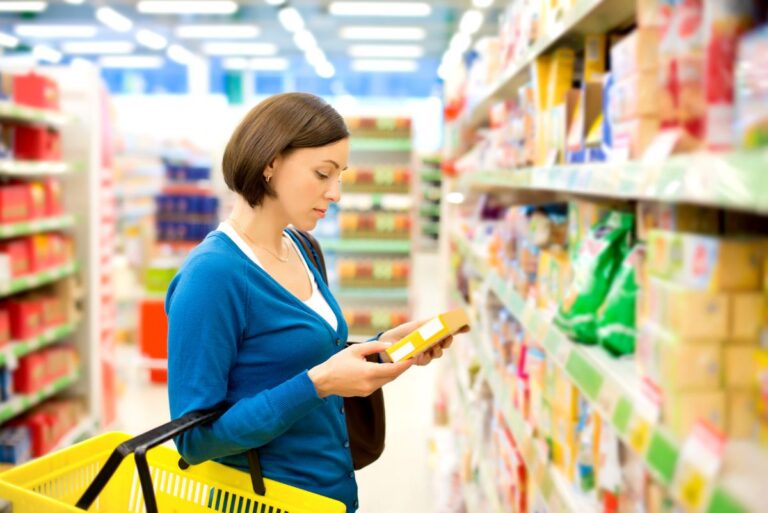
The overwhelming urge to cut out everything “processed” or artificial is affecting consumers globally, creating confusion about which foods are truly “good.” That’s where proper labelling and awareness come in to help close the gap between scientific intent and everyday decision-making. Consumers aren’t concerned with processing technologies or metabolic pathways … they’re worrying about getting dinner on the table, stretching a grocery budget and having more energy.
Simplifying front-of-pack messaging to answer the questions consumers ask every day can make the hardest decisions seem intuitive.
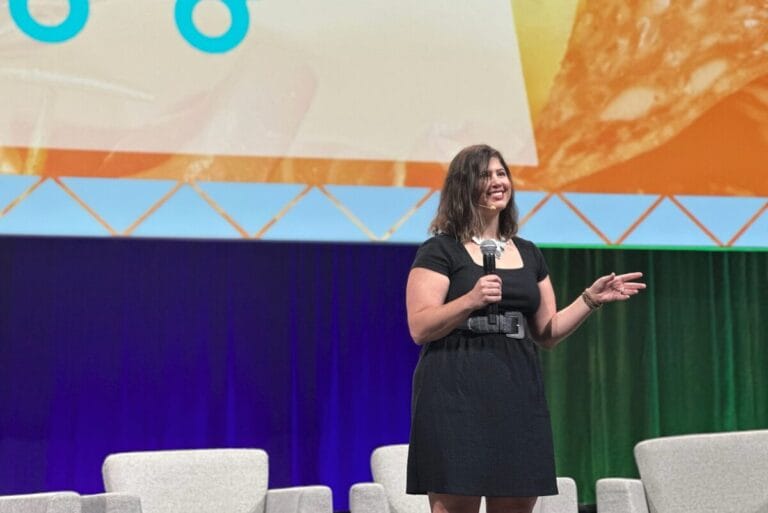
“Most consumers are looking at an ingredient, thinking, ‘Do I understand what this means? Is it safe? Is it okay to give to my family?’” said Laura Hoover, EVP, food and beverage, Edelman US, during a keynote panel discussion on science communication in the age of misinformation. “The most important thing is to look at ingredients and to look at food beyond our vantage point, and to think about what that consumer is thinking.”
For science to resonate on the shelf and on the plate, companies must tap into consumers’ realities: GLP-1 medication usage, single-serve households and information overload. Those that do will build loyalty and trustworthiness across every generation.