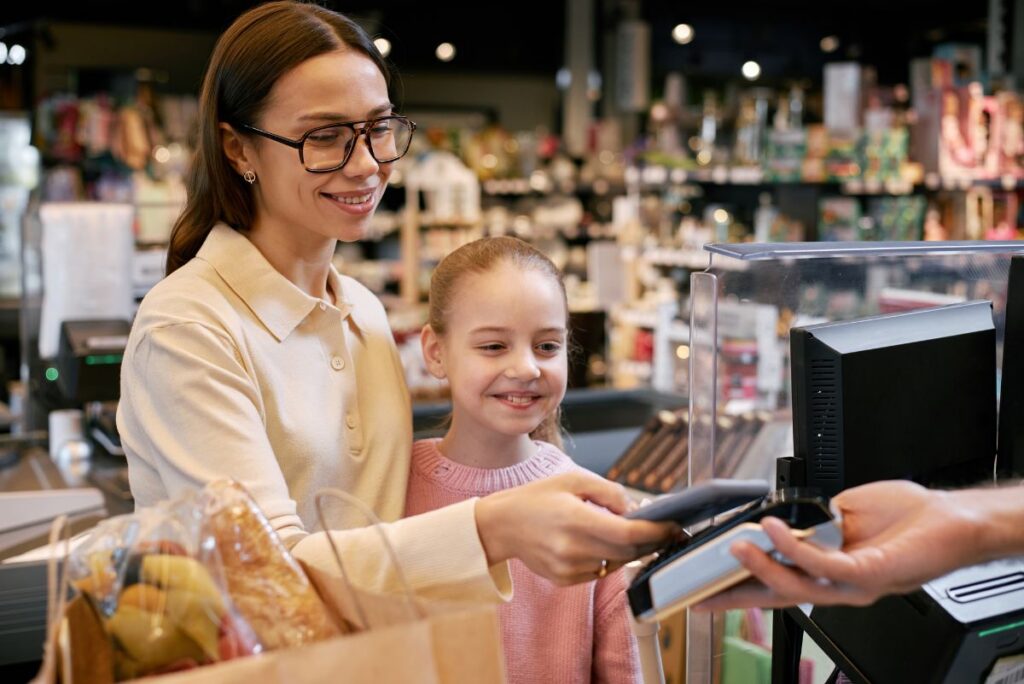
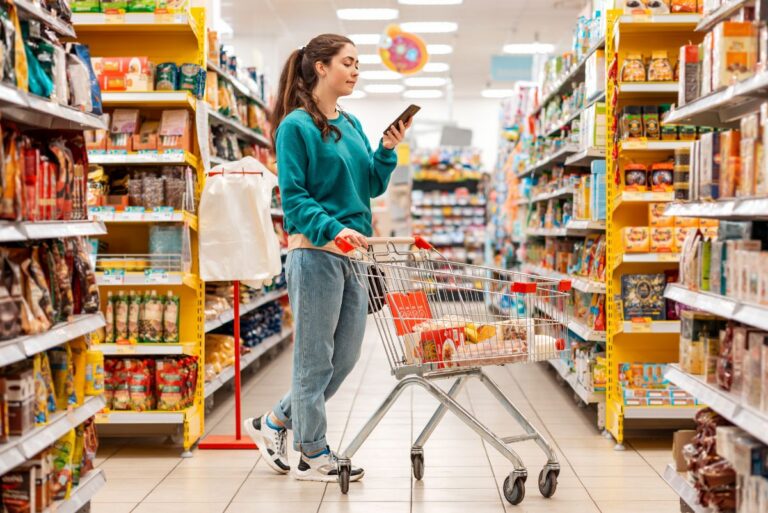
“Boomer baskets tend to be very routine, bought at the same retailer, bought on the same day, probably with the same cashier … that is not going to be our world going forward,” Roerink expressed. “There are a lot more buying styles, like mood-based buying, what’s trending on social media and what’s big among friends and family.”
AI in the hands of consumers
Brands are becoming more and more familiar with the uses of AI in their operations — from self-sufficient robots to intuitive interfaces — but less familiar with the other end of the spectrum. From recipe generation to grocery list writing, consumers are using AI in an efficient and predictable way.
“Consumers can open ChatGPT and tell it what they want for dinner and what groceries they need, what their budget is, and it’ll give them a detailed list by searching all the different stores in the area,” Roerink said. “Think about what this does to the loyalty that you have with consumers, and what kind of loyalty you need to start building with AI models as well to make sure that your product pops up on this list as often as it does on consumers’ handmade lists.”
While dollars are shifting rapidly, this means consumers are the ones doing the pushing. AI usage is changing how brands meet their consumers and get into their carts. Brands are no longer just competing for attention on shelves or online; now, they’re also competing to be seen by algorithms.
Across-the-board transparency —including clear product information, detailed descriptions and well-communicated nutrition — now directly influences whether AI tools pick up on a brand.
“The conscientious consumer demands transparency,” said Gabe Disbrow, president and CEO of Leevers Supermarkets. “You have to recognize them. Nationally, they’re still probably a relatively small percentage of the overall pockets, but in our store, the conscientious consumer population is probably 40 percent.”
As the industry combats misinformation and works to provide consumers with the insights they need to make quality purchasing decisions, it’s important not to get ahead of oneself and create more confusion. Consumers are looking for a more balanced indulgence-to-health ratio, and the baking industry is in a unique position to meet them on either side.
“With the rise of high-protein and low-carb, there’s a lack of communication around that,” Disbrow said. “That’s an opportunity for us to tell the story and debunk some dietary preconceptions that are prevalent. It all comes down to placement, labeling and marketing.”
Today’s shoppers are recalibrating their baked goods purchases, seeking stacked value where price, taste, nutrition, versatility and experience all coexist. Brands and retailers can showcase value through personalized innovation that caters to modern consumers.