Advertisement

What will tariffs target in 2026?

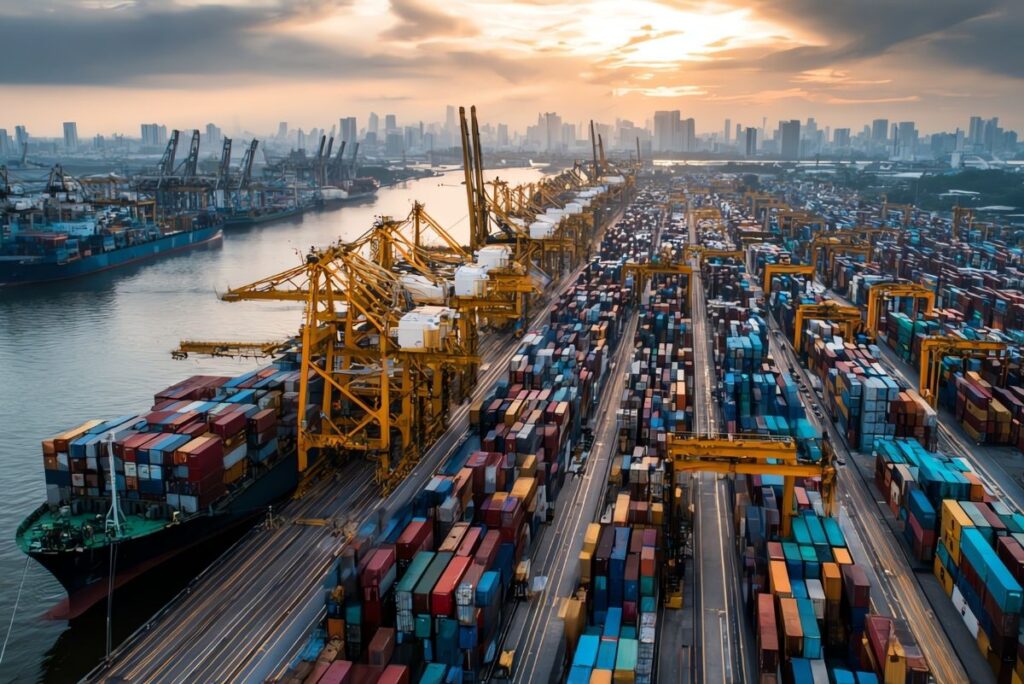
shipping yard with containers
GRAPHIC COLLAGE BY AVANT FOOD MEDIA
BY: Mari Rydings

Mari Rydings

KANSAS CITY, MO — Tariffs took a toll on the commercial baking industry in 2025, impacting bakeries and suppliers alike. As the industry heads into the new year, it appears that will remain the case, albeit with a few possible changes.

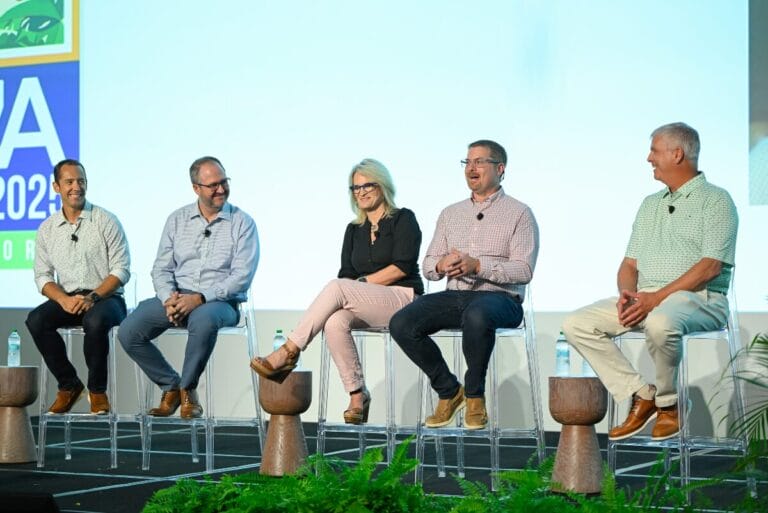
On Jan. 13, BEMA-U, the education and training platform for BEMA, welcomed Shawn Marie Jarosz, chief trade strategist founder of trade consultancy TradeMoves, to the first quarterly online Market Minute educational session of the year. She provided participants with an update on US trade policy, particularly as it relates to tariffs.

“In 2025, tariffs were volatile,” Jarosz said. “The US average effective tariff rate (ETR) was about 2 percent at the beginning of 2025, and we saw an ebb and flow. We’ve normalized now at about 16 percent. We haven’t seen too many jolts, but things may be changing moving forward.”

‘The sky is falling.’

In the bakery machinery and equipment sector specifically, the value of imports to date is about $1.2 billion. The Trump administration’s invocation of the International Emergency Economic Powers Act (IEEPA) imposed an estimated $173 million in tariffs, an ETR of about 7%.

Jarosz noted that the single-digit rate could be because US companies are sourcing some machinery from Canada. The biggest impact is on goods coming from the European Union, with some businesses possibly incurring higher tariffs than others due to their location, sourcing or supply strategies.

“Interestingly, economists are saying that tariff costs and inflation are not as high as expected,” Jarosz said. “There was a lot of ‘the sky is falling,’ but we’ve seen a couple of reasons why the tariff costs have not been fully absorbed.”

First, goods that are compliant with the United States-Mexico-Canada Agreement (USMCA) are exempt from IEEPA tariffs. Second, for two months in early 2025, US companies in many sectors imported as much as possible, taking advantage of in-transit exemptions that applied to goods on the water.
Advertisement

What’s on the horizon in 2026?

The big question now is whether the IEEPA tariffs will remain in place in 2026 and beyond. That may depend on their legality, which the US Supreme Court is expected to determine soon.

“We’ve seen some new legislation coming from Congress trying to codify some of the IEEPA tariffs into law so they will continue at rates of 10 to 15 percent,” Jarosz said. “If the president is granted the authority to continue IEEPA tariff action, it will be his go-to trade policy moving forward and with limited-to-no guardrails.”

Conversely, if the Supreme Court invalidates these tariffs, a potential refund process will need to be confirmed, either through established methods or a new process. US Treasury Secretary Scott Bessent has said refunds could take more than a year.

“Know that these potential refunds will not be a rollback of tariffs,” Jarosz advised. “They’ll be an infusion of cash coming back to importers. The Trump administration has already said it has a Plan B to continue applying tariffs.”

That plan includes continuing with Trade Act Sections 201, 232 and 301 tariffs, and possibly implementing the never-before-used Sections 122 and 338.

Advertisement

Robotics could be a tariff target

Section 232 tariffs have perhaps the greatest impact on the commercial baking industry since they target aluminum and steel. To date, the scope of what’s included has not yet hit machinery and equipment, but Jarosz said that could change and expand to include robotics.

“An investigation was initiated on Sept. 25, 2025, that targets robots and programmable computer-controlled mechanical systems and application-specific specialty metal working equipment,” she shared. “Robotics are the machines we need to make much of the machinery and equipment we sell as part of the process line, so it’s important for us to have access to these imports without additional tariffs.”

Typically, Section 232 investigations can take up to a year before any tariffs are applied. However, Jarosz noted that the Trump administration expedited the copper investigation and tariffs were applied after only 144 days. Sept. 25 was about 108 days ago.

Advertisement

Next steps for commercial bakers and suppliers

So, what steps can commercial bakers and equipment and ingredient suppliers take to get tariff-ready in 2026? Jarosz offered these recommendations:

All companies

– Use 2025 tariff levels for planning purposes

– Understand supply chain vulnerabilities

 Importers

– Track IEEPA tariffs applied

– Work with a customs broker to ensure proper classification, correct origin claimed, etc., in anticipation of tariff actions

– Ensure greater visibility into supply chains

– Secure documentation on content and origin of steel, aluminum and copper in anticipation of increased enforcement from US Customs and Border Protection (CBP)

Customers

– Track IEEPA tariffs passed on by importers

– Request a breakout of IEEPA tariffs as separate line items on invoices

“I just want to underscore it’s critical to understand your supply chain, identify vulnerabilities and tariff cost risks, and expect increased enforcement from CBP,” Jarosz concluded. “The only way we will see potential pushback is if there are midterm election changes that could impact trade policy from 2027 onward.”

Related News

Advertisement

Advertisement

Advertisement

Advertisement

Popular Articles