


Advertisement

Omnichannel shopping shifts retailer perspective on center store

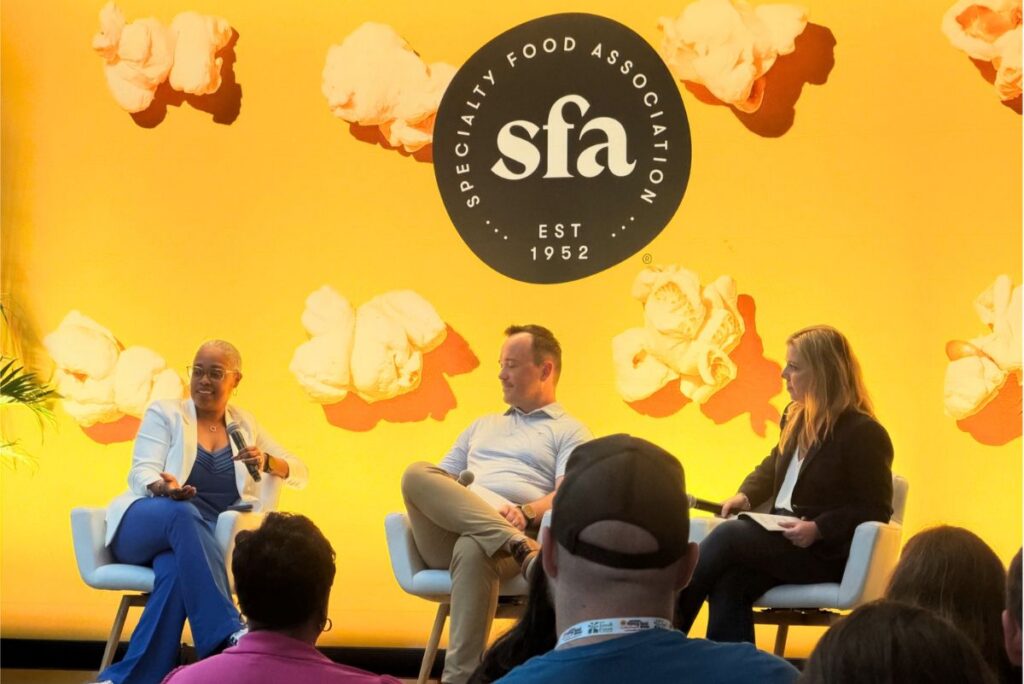
panelists at specialty food association summer fancy food show
From left: Krystal Dawson, VP, North American business partner cluster leader, NielsenIQ; Glenn Cunningham, senior director of center store, Village Super Market; and Shannon Rosiak, director of fresh category manager, KeHE Distributors, share insights during the “Decoding Retailer Priorities in a Constrained Market” panel at the Summer Fancy Food Show. Photo Credit: RIFLE HUGHES, INTEGRAL CPG
BY: Glenn Pappalardo

Glenn Pappalardo

NEW YORK — While the Specialty Food Association’s annual Summer Fancy Food Show, held June 28-30 in New York City, summoned for many images of imported meats and cheeses, gourmet chocolates or premium snacks and beverages, the show also provided a variety of perspectives on the state of the industry. It did so not only through the brands on the show floor, but also via educational programming.

While a number of noteworthy trends and views were highlighted, one stood out in particular for players in the baked foods space: the rapidly evolving retailer perspective on the center store.

Omnichannel wins the day

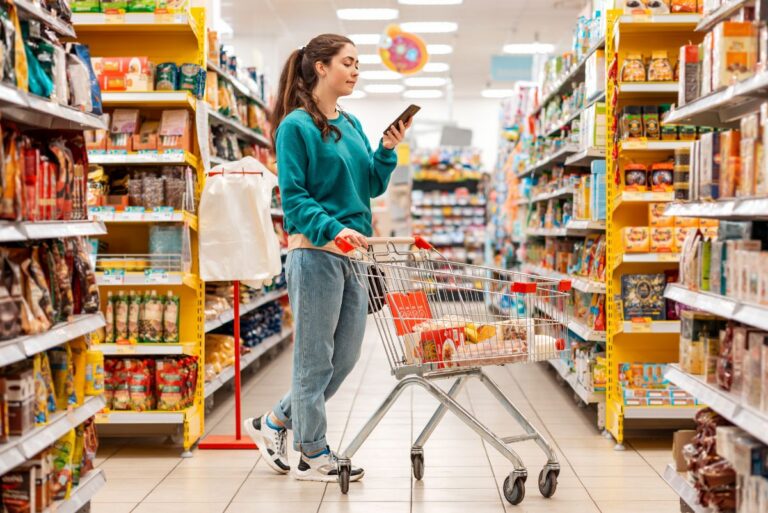
Much attention has been paid recently to the changing habits of shoppers as relates to the number ­­— and type — of different stores they’ll visit on a shopping trip and the increasing omnichannel shopping behavior of consumers.

However, based on recent data, this trend may be getting even more granular, creating a world where trip behavior varies even by store section. Consumers are increasingly breaking up the various components of their shopping activities — such as research vs. browsing vs. purchase — across channels, and this mix can vary by where the product traditionally sits: center store vs. perimeter.

For example, consumers perform an increasing amount of their shopping research online, formulating opinions and purchasing decisions before they ever enter a brick-and-mortar location. This behavior has shifted the ”point of discovery” decidedly out of the physical world and into the digital one.

Delivery services as shopping channel

Additionally, as pointed out by Glenn Cunningham, senior director of center store for Village Super Market, during the “Decoding Retailer Priorities in a Constrained Market” panel, many consumers are increasingly leveraging another “channel” for their shopping: delivery services like DoorDash, UberEats and even Amazon.

This behavior is even more prevalent when the product category in question leans closer to shelf-stable staples like those in the center store. An increasing share of purchases are being made online for delivery by one of the leading platforms.


Advertisement

Increasing the urgency of the shift is that many retailers are now implementing AI-supported approaches to refining their planograms, which are picking up on these trends in the data and suggesting changes to the in-store layout to account for them.

For commercial bakeries, these movements strike directly at the location in the store that has long been “home.”

Advertisement

Three tactics for embracing changing shopping habits

How should brands interpret these changes to ensure their impacts on business are positive ?

  • Show up in all of the right places. With consumer research and education increasingly occurring online — particularly via social media — brands can no longer afford to selectively participate in the digital sphere. “Ignoring any part of the ecosystem means handing away market share by choice,” said Krystal Dawson, VP, North American business partner cluster leader at NielsenIQ, during the same panel.
  • Focus on performing at shelf, not just getting on it. Given heightened competition for in-store spots, retailer expectations for velocity are only climbing, while their patience for subpar performance is shrinking. By leaning into evolving consumer discovery patterns, brands can increase their rates of trial, and by better investing in consumer understanding — and directly injecting this into product development — brands can increase the likelihood these consumers come back as repeat purchasers, which is the lifeblood of velocity.

Advertisement

  • Continue investing in the human relationship with retail partners. While AI is undoubtedly upending nearly everything in the food and beverage industry, including sales, it should not replace the authenticity of person-to-person communication. Leaning on AI to write emails to buyers or pull together sell-in decks — with little to no human oversight or editing — is a surefire way to erode any relationship, and the trust that comes with it. It’s this trust that, in concert with performance, creates incremental opportunities within retailers for new facings, spots for new products and other critical promotional support.

While these trends may prove that the only constant is change, CPG brands that recognize these movements — and change with them — can not only defend what they’ve built but may unearth opportunities to change the trajectory of their business.


Related News

Advertisement

Advertisement

Advertisement

Advertisement

Popular Articles