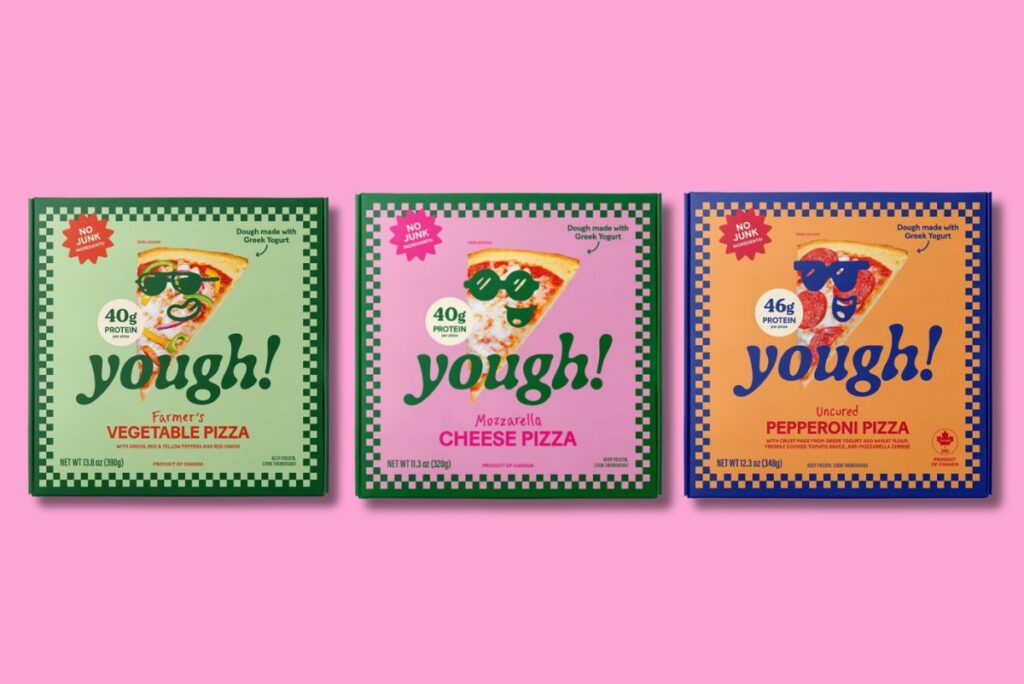



ANN ARBOR, MI — While the food industry awaits the official definition of ultra-processed foods (UPFs), the Non-GMO Project moved forward with its own standards late last year, creating Non-UPF Verified certification. The designation is for food manufacturers, retailers and private label brands that want an independent way to demonstrate how their products are made, not just how they’re marketed.
In the commercial baking space, breads, baked snacks, and other shelf-stable or frozen baked goods could be eligible for certification if they meet the criteria around ingredient integrity, processing methods and added sugar thresholds.
“Commercial bakers are absolutely within scope,” said Carey Allen, director of food claims at NSF, which certifies food items for the program. “The Non-UPF Verified program recognizes that baking involves processing and focuses on whether that processing stays within permissible, transparent methods, rather than relying on engineered additives or intensive industrial techniques.”
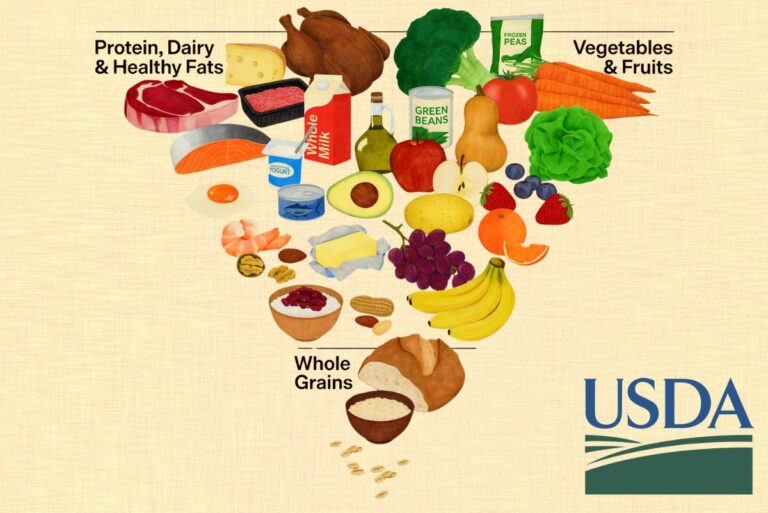
As an independent technical administrator, NSF reviews formulations, ingredient specifications, processing methods and supplier documentation using evidence-based criteria to determine whether products meet Non-UPF Verified Standard requirements. NSF launched the certification services following the release of the 2025-2030 US Dietary Guidelines for Americans, which encourage consumers to limit their intake of added sugar and ultra-processed foods.
Non-UPF Verified Assessment Criteria
The evaluation focuses on how a food is processed and what goes into it. Criteria includes:
- Ingredients | Are they primarily minimally or moderately processed?
- Processing methods | Do they fall within permissible categories?
- Additives | Are additives associated with ultra-processing restricted or avoided?
“We also evaluate added sugar contributions by category and review full processing flowcharts and supplier inputs to confirm alignment with the standard,” Allen said. “The approach is grounded in published criteria and applied through documented, repeatable technical review.”
In the absence of an official definition of UPFs, the Non-UPF Verified program relies on a framework created by the Food Integrity Collective to assess a food’s eligibility for certification.
“In addition to drawing from existing research on food processing, the Food Integrity Collective also addresses gaps that have created confusion in the marketplace,” she explained. “Rather than relying on a single classification system, the program establishes clear, operational criteria focused on processing intensity, ingredient integrity, and formulation transparency that can be applied consistently across products and categories.”