
Advertisement

How to incorporate local grains at scale

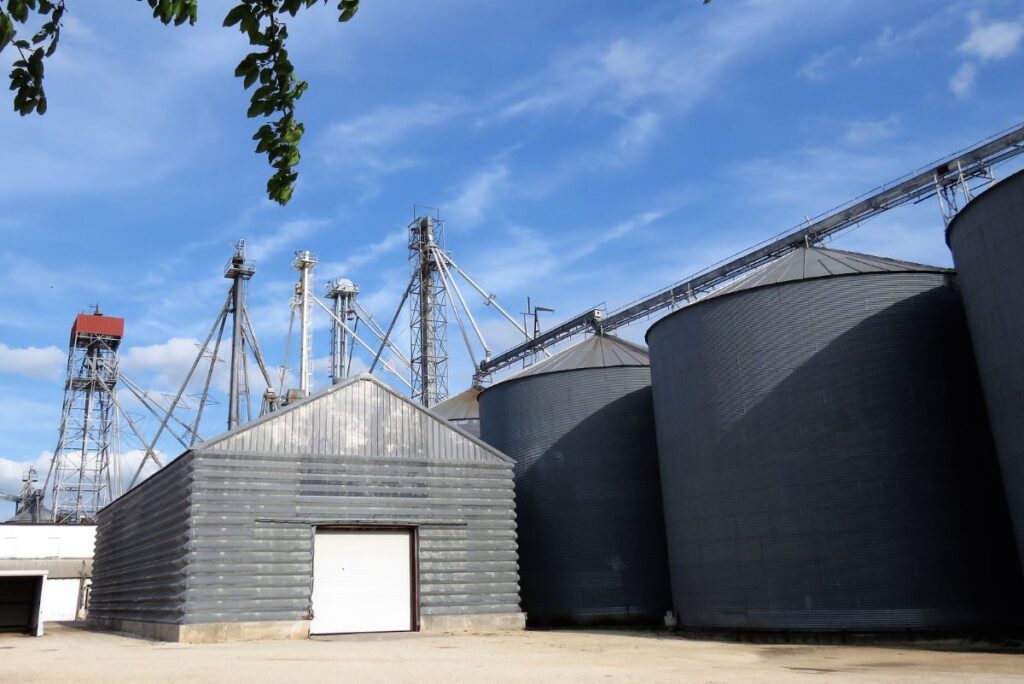
exterior shot of flour mills
BY: Mari Rydings

Mari Rydings

KANSAS CITY, MO — Clean label. Locally sourced. Better for you. Better for the environment. More than ever, consumers scrutinize bread, pastries and other baked goods for these four traits. Products made with local grains are considered premium products and can command a higher price.

For retail and artisan bakeries creating products for a from-scratch, low-volume menu, incorporating local grains is standard practice. Adding them at scale presents more of a challenge.

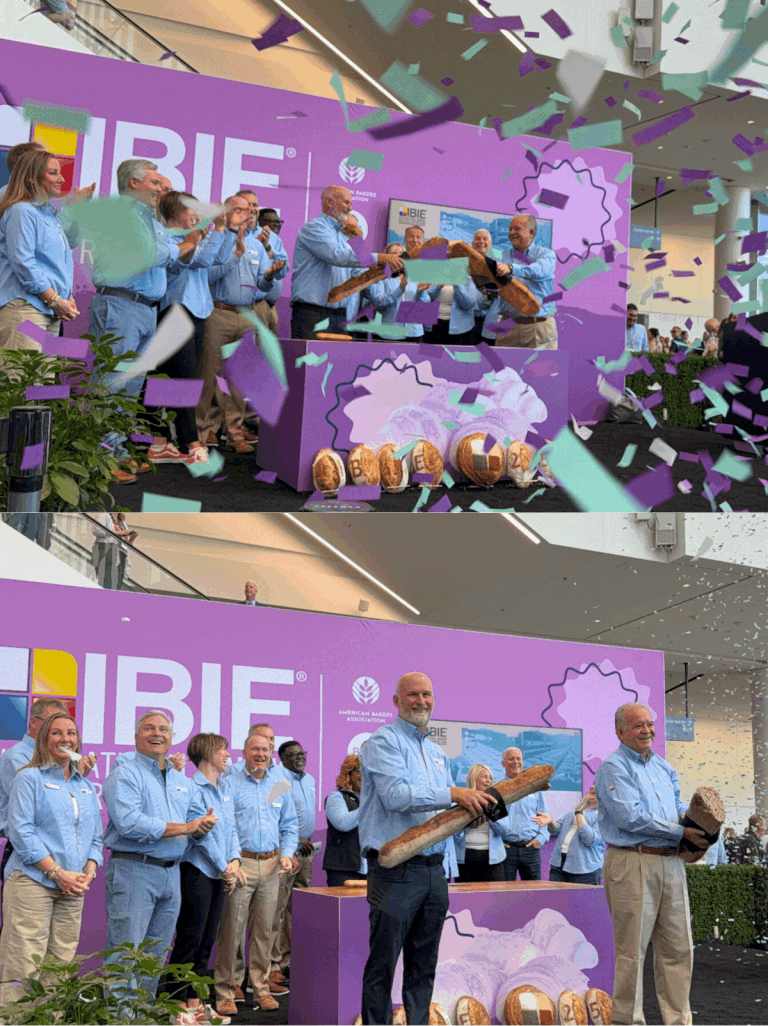
During the 2025 International Baking Industry Exposition, Mel Darbyshire and Laura Ohm, head baker and product director, respectively, at Seattle-based Grand Central Bakery, shared practical strategies for scaling up with local grains in their Artisan Village presentation.

Grand Central Bakery operates 12 cafes across Seattle and Portland, OR, with menus that offer bread, pastries and sandwiches. They also have wholesale accounts in both cities. Currently, nearly 58% of their ingredients are sourced directly from regional farms and mills.
Advertisement

That wasn’t always the case. When Grand Central opened in 1989, it relied 100% on commodity flour. But when the price of wheat flour tripled almost overnight in the early 2000s, the bakery had to find other sources to sustain the business.

At the time, the pastry department had been working with Shepherd’s Grain, a local farmers cooperative focused on regenerative farming, on product development.

“We decided it was time to switch to Shepherd’s Grain because the business model was fixed pricing for two times a year based on harvest,” Derbyshire said. “That was my first dabble into thinking about flour differently and having the opportunity to work with local farms. The change opened the door for me to push my quest forward to see what was next and what was available in our region.”

Incorporating local grains at volume

Combined, Grand Central’s locations produce more than 30,000 pounds of dough a day and use about 5 million pounds of flour every year. That’s a tall order for directly sourced grains.

“We had to get creative about how to bring local grains in,” Derbyshire said. “When you’re running 24/7, making those switches to your main ingredients is challenging. We started out by using local grains in pre-ferments, which allowed us to buy the flour at volume and produce at scale without having a big hiccup in quality and production. We buy it in pallets, which creates a steady purchase for the farmers.”

Advertisement

She noted that when new mills come online, they don’t have the distribution that larger producers do, which presents another challenge. Again, creativity is the key, whether it’s buying directly from the mill and dealing with freight inefficiencies or piggybacking pallets with others in the area.

“If more businesses start buying direct-source flour, the farmers and millers can get more established, and they can make connections with larger distributors and then it’s more accessible to everyone,” Derbyshire said.

Start small and make connections

Grand Central committed to buying one pallet of locally sourced whole wheat pastry flour and then figured out how to use it. The strategy allowed the bakers to play around with the flour, adding a little bit to other local flours, including high extraction, white and whole grain varieties. Over time — and with quite a bit of R&D — they were able to offer product lines that featured all local flour or different percentages of local flour.

“We have a rotating seasonal muffin that is always made with the whole wheat flour,” Ohm said. “Then, we started making brioche and cinnamon rolls. With the rolls, we started at five percent, and over time increased it to 20 percent spelt. We’ve learned to use these flours not just for their nutritional value but their flavor, too. You have to start somewhere. Progress is an onward and ever-existing journey.”

Advertisement

Derbyshire suggested bakers reach out to their regional grain hub to get started.

“You don’t have to commit 100% to your local miller or brands,” she said. “Bring the flour in, taste it, bake with it and then find where it fits in your product lineup. Buying some is better than buying none.”

Collaborating with other producers in the community to purchase and use local flour is another way to create volume for farmers, which means better prices, expanded distribution and promotion of the direct-source business model.

Grand Central’s efforts to work with local farmers and its focus on sustainability helped make it the first bakery in the Pacific Northwest to become a Certified B Corp.

“If we all do a little bit more with our regional sourcing, we can chip away at the commodity market,” Derbyshire said.

Related News

Advertisement

Advertisement

Advertisement

Advertisement

Popular Articles