Advertisement

Catering, subscription boxes win over consumers

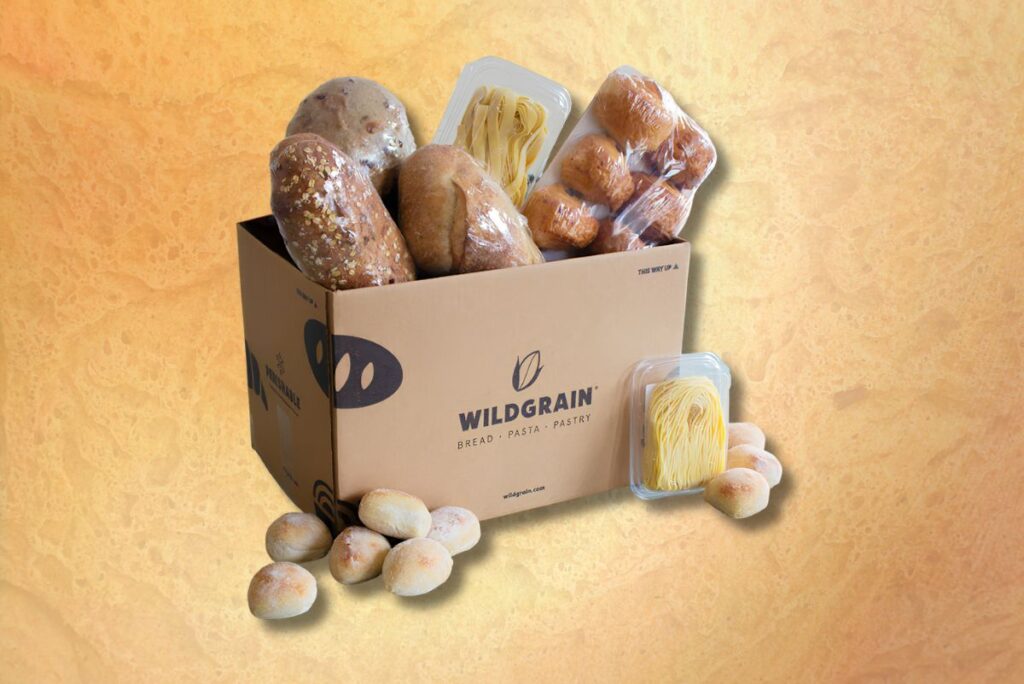
Wildgrain's subscription box on a gradient background
GRAPHIC COLLAGE BY AVANT FOOD MEDIA
BY: Maggie Glisan

Maggie Glisan

KANSAS CITY, MO — Catering has also become an essential avenue for baker­ies looking to diversify revenue beyond retail. In 2023, the US catering market reached $72 billion, with corporate events, holiday parties and special occasions driving consistent demand. For bakers, offering catered platters, pastries and custom desserts not only expands brand visibility but also encourages repeat business, since a single event can intro­duce dozens of new customers. With flexibility and creativity, catering can provide a high-impact way to scale sales while building lasting relationships.

Milwaukee-based Milwaukee Pretzel Co., known for its Bavarian-style pretzels, formalized a catering program after fielding growing requests from local businesses and events.

“We recognized there was demand in southeast Wisconsin for a high-quality, easy-to-order catering option that also had a fun brand component,” said co-owner and COO Matt Wessel.

Advertisement

To meet those needs, the company invested in specialized packaging designed to hold pretzels and dips, which not only streamlined production but also ensured brand visibility at events. While catering remains a smaller slice of the company’s business, Wessel said it has opened the door to new customer segments — from corporate events to weddings — proving that with the right packaging, logistics and delivery strategy, even a niche product can scale into a high-impact channel.

That potential is something ezCater, a nationwide workplace food platform, is also seeing firsthand.

“We’re witnessing a significant rise in ‘treat culture’ in the workplace,” said Cindy Klein Roche, chief growth officer of ezCater. “Our data shows a 26 percent year-over-year increase in dessert orders, with cookies, brownies and cupcakes topping the list. Employees now expect a pick-me-up snack during the workday, especially in the afternoon.”

But Roche emphasized that success in catering requires more than a great product. It also means creating catering-specific menus, investing in sturdy packaging and clearly labeling for ingredients and allergens.

“The real challenge is ensuring consis­tency and quality at scale, making sure the hundredth meal is just as perfect as the first, and that they all arrive reli­ably on time,” she said. “You’re selling a business-grade experience, not just a product.”

“The most significant shift we’re seeing is the rise of the everyday occasion ... This creates a massive opportunity for bakeries that can deliver smaller, more frequent moments of joy.” — Cindy Klein Roche | chief growth officer | ezCater

Advertisement

Catering is also increasingly moving beyond big, occasional events.

“The most significant shift we’re seeing is the rise of the everyday occasion,” Roche said. “Orders for daily or weekly employee meals are up 32 percent year-over-year, and 62 percent of employees enjoy a treat during the mid-afternoon slump. This creates a massive opportu­nity for bakeries that can deliver smaller, more frequent moments of joy.”

That shift can be a marketing opportu­nity as much as sales. Roche noted that 70% of employees who first try a restau­rant through a workplace meal go on to personally order from that brand.

“That tray of sandwiches and cookies feeding 25 people at lunch isn’t just one order,” she said. “It’s potentially 25 new customers.”

Advertisement

While catering multiplies a brand’s reach through single events, subscrip­tion boxes provide a steady, predictable way to engage consumers directly and build long-term loyalty. Since its launch in 2020, Wildgrain, a bake-from-frozen artisan bread and pasta delivery service, has scaled to more than 80,000 active subscribers by partnering with more than 45 local bakeries for fulfillment.

Members can choose from box sizes of 4, 6 or 12 items, with options such as Italian, gluten-free, plant-based, or vari­ety assortments that include breads, pastries, pastas, sauces and more. A monthly subscription typically ranges from $69 to $189 per box with free ship­ping, and customers can skip, pause or adjust shipment frequency when­ever they want — features that help build retention.

Subscription boxes are part of a broader trend toward direct-to-consumer food sales, which grew more than 20% year-over-year in 2023. For bakeries, these models not only provide recur­ring income but also valuable consumer data, offering insights into purchase frequency, preferred products and flavor trends. This information can inform broader marketing, menu development and even new product launches. In addi­tion, subscription models allow brands to experiment with limited-edition items, seasonal offerings or curated pairings, creating a sense of excitement and exclusivity that drives engagement. For wholesale bakers, subscription models offer recurring income, direct consumer relationships and a scalable way to expand reach beyond traditional shelves.

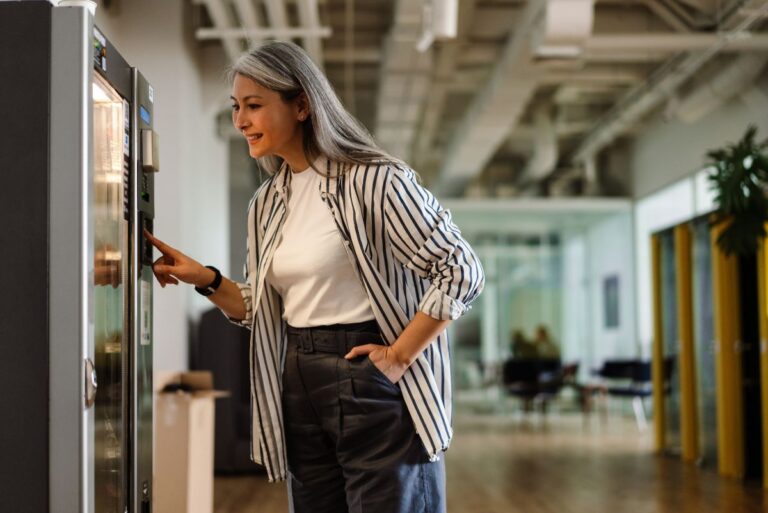
The baking landscape is only getting more dynamic, and that creates oppor­tunity. New channels from vending to catering to c-stores are more than just a chance to expand distribu­tion; they’re touch points to build stronger connections with today’s consumers. Bakers who embrace this shift with creativity and agility can do more than keep pace — they can set the tone for how the indus­try evolves. By rethinking packaging, formats and experiences, the next wave of category leaders won’t just be adapting to change, they’ll be defining what’s next.

This story has been adapted from the October | Q4 2025 issue of Commercial Baking. Read the digital edition here.

Related News

Advertisement

Advertisement

Advertisement

Advertisement

Popular Articles