

Advertisement

As UPF verdict looms, commercial bakeries see opportunity

Father and son in a grocery store aisle

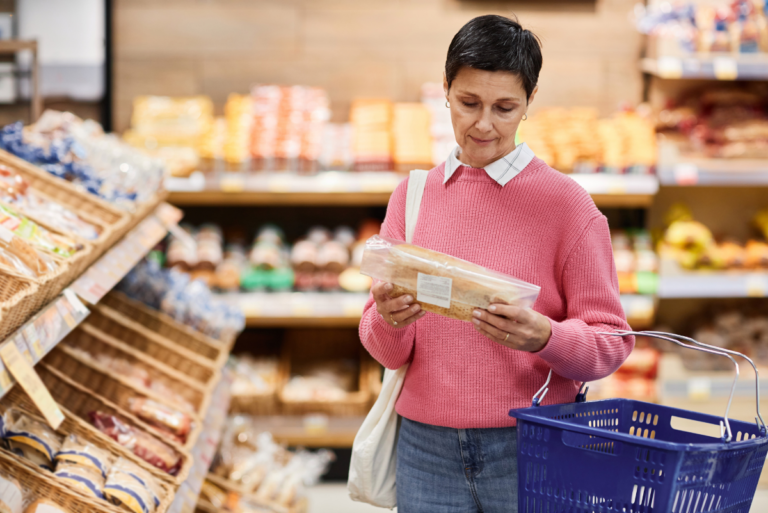
KANSAS CITY, MO — The current lack of a comprehensive definition for ultra-processed foods (UPFs) means that, for now, it exists in the crosshairs of perception, reality and politics. It’s difficult for everyone, from bakers to policymakers, to agree on the best path forward to provide clear, actionable nutrition guidance for consumers. While the food industry awaits the FDA’s definition of UPFs, commercial bakeries can seize the moment as an opportunity for innovation, both in messaging and product.

The emergence of the four-tiered NOVA Food Classification System in 2009, which categorizes foods by level of processing rather than nutritional value, added confusion rather than clarification because of a disconnect between what it was designed to do — serve as a research tool — and how it’s being implemented as a guideline. Nearly 20 years later, that confusion has taken on a life of its own.

“One thing that’s helpful to keep in mind is that [the NOVA] framework was put together by Brazilian public health researchers to provide a tool to close the massive knowledge gap between what we know about food and health and the clear trajectory of poor dietary health outcomes,” said Charlotte Biltekoff, PhD, professor of American studies and food science and technology and Darrel Corti-endowed professor of food, wine and culture at the University of California — Davis. Her most recent book, Real Food, Real Facts: Processed Food and the Politics of Knowledge, examines the intersection of food, science, processed food and consumer concerns.
Advertisement

Characterizing all ultra-processed food as unhealthy and something to be avoided ignores the reality that processing can make food nutritious, shelf-stable and convenient. In its conversations with policymakers and industry leaders, the American Baking Association (ABA) emphasizes that looking at the level of processing isn’t helpful.

“We need to be focusing on nutrient density, not just of the product, but of an overall diet,” said Campbell Genn, senior director of government relations at ABA, during a 2025 International Baking Industry Exposition panel discussion. “We’re really working on our end, especially on the policy side, to educate staff and policymakers about the benefits of processing and the nutrients that we’re able to deliver to American families.”

She added that many lawmakers and their staff are unfamiliar with the scope of the grain foods category. Refined grains span staple and indulgent grain foods alike. Foods such as bread can be important sources of vitamins like iron, thiamin, riboflavin, niacin and folic acid. Indulgent products are also still important, though they may score lower nutritionally.

“The baking industry’s focus remains on providing consumers with a variety of delicious food choices while maintaining high standards for safety, quality and transparency.” — Rasma Zvaners | VP of government relations | American Bakers Association

Advertisement

“While the nutritional benefits of whole grains are well known, refined grains also serve an important purpose,” Genn said. “When it comes to indulgences, ABA’s Bakery Playbook research shows that 61 percent of consumers have had snack cakes or pies in the past 30 days, whether from a grocery store or a restaurant. In fact, consumers are seeking moments to provide joy and bring people together for celebratory occasions.”

Such engagement from industry partners helps lawmakers understand how the entire supply chain contributes to food safety, consistency and nutrition at scale.

“We are committed to engaging in meaningful dialogue with policymakers to ensure baked goods continue playing a vital role in a balanced and healthy diet,” said Rasma Zvaners, VP of government relations for ABA. “The baking industry’s focus remains on providing consumers with a variety of delicious food choices while maintaining high standards for safety, quality and transparency.”

Advertisement

But looking at the consumer side, anxiety about UPFs and their potential impact on health shouldn’t be ignored.

“There’s growing awareness — and even concern — about what’s in our food and how it’s made,” said Erin Ball, executive director of the Grain Foods Foundation. “That’s partly because people have more access to information and opinions than ever before. But that landscape can be noisy and confusing, and not everything out there is grounded in sound nutrition science.”

This story has been adapted from the February | Q1 2026 issue of Commercial Baking. Read the full story in the digital edition here.

Related News

Advertisement

Advertisement

Advertisement

Advertisement

Popular Articles