



Advertisement

Consumers place texture above all

Cakey texture, which consumers are placing above all
PHOTO CREDIT: EDDY | ADOBE STOCK
BY: Maggie Glisan

Maggie Glisan

KANSAS CITY, MO — Of all the sensory attributes consumers evaluate when it comes to baked goods — such as their appearance, taste and smell — one tends to be the least forgiving: texture.

“It’s hard for people to get over bad texture,” said Abby Bauer, director of sensory and consumer science for North America at Cargill. “Even if it tastes good, if the texture is not what the consumer is expecting, they’re not buying that product again.”


Advertisement

Shelf life poses an additional challenge when it comes to maintaining texture. Oxidized fats can produce off-flavors that present as cardboardy or paint-like. Moisture loss can soften a crisp exterior or make a tender crumb dense. A product might hit every sensory target on day one, but by day 14, miss entirely.

Bauer knows this firsthand. Her team recently worked with a baker who was changing how products were stored and shipped, specifically the temperature conditions at which cakes were held during distribution. The concern was whether those changes would affect quality over time. Cargill’s sensory team tasted and evaluated the cakes at multiple points throughout their shelf life, tracking where and when any degradation became noticeable.

“No instrument can truly replicate how a human perceives a product ... That’s why sensory input is so important in product development.” — Carlana Rodriguez | R&D product development manager | Sethness Roquette

Advertisement

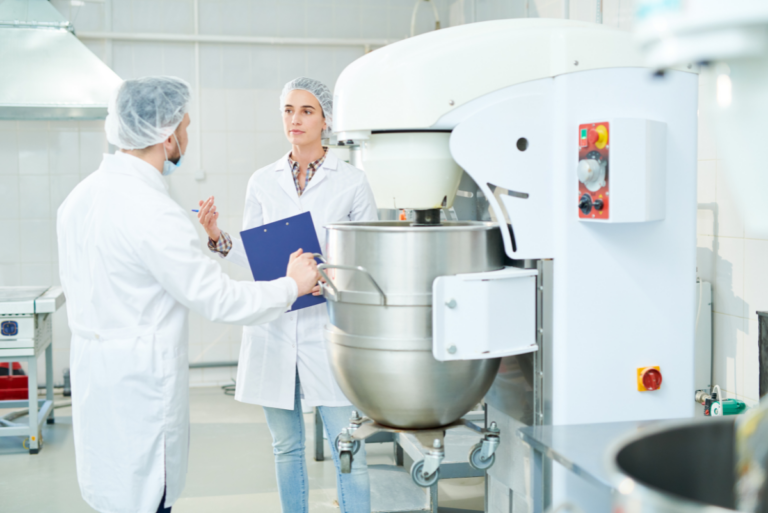
The team compared their findings with those of a texture analyzer, an instrument that measures a food’s physical properties such as firmness, elasticity and resistance. The analyzer detected differences in the cakes earlier than the trained human panelists did.

Advances in sensory science may reveal tension between human and technology methods. AI-assisted analysis, predictive modeling and rapid methods like CATA (Check-All-That-Apply) are gaining traction, promising to make sensory programs faster and more accessible. But the human element remains irreplaceable.

“No instrument can truly replicate how a human perceives a product,” said Carlana Rodriguez, R&D product development manager at Sethness Roquette. “That’s why sensory input is so important in product development. It helps us understand how a human will actually perceive what we’ve made.”

And that perception, as bakers know, is everything.

Advertisement

Related News

Advertisement

Advertisement

Advertisement

Advertisement

Popular Articles