


Advertisement

Across the industry, MAHA’s impact keeps extending

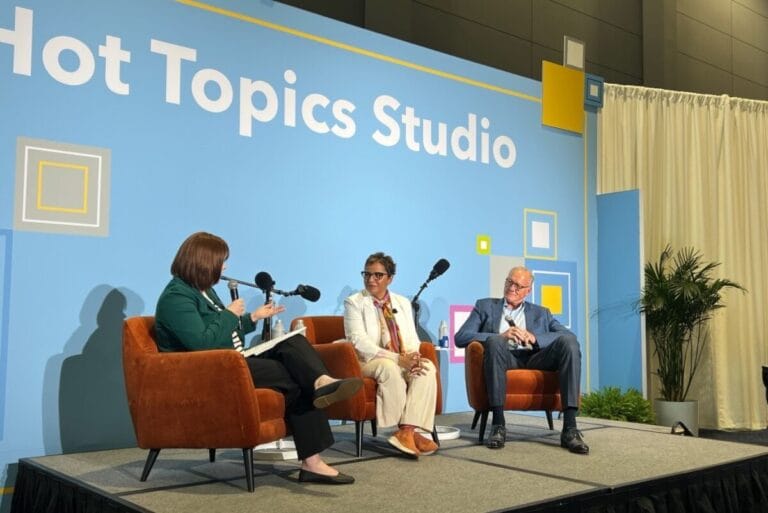
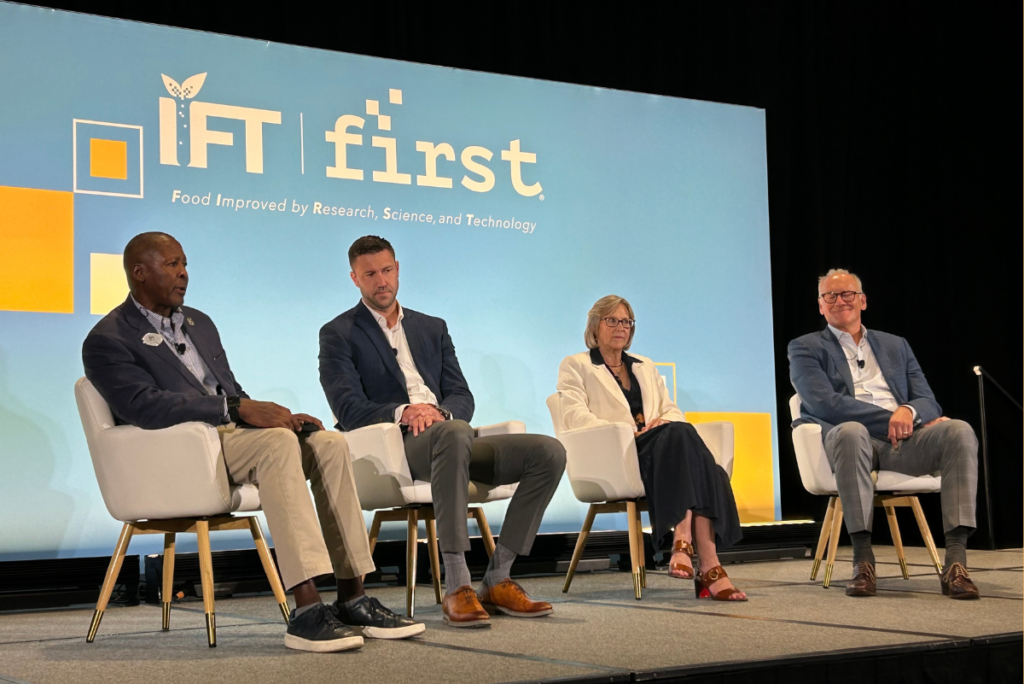
Panelists at IFT FIRST 2026 in Chicago. (From left) moderator Darryl Riley, Michael Boes, Beth Johnson and Martin Hahn
PHOTO BY AVANT FOOD MEDIA
BY: Annie Hollon

Annie Hollon

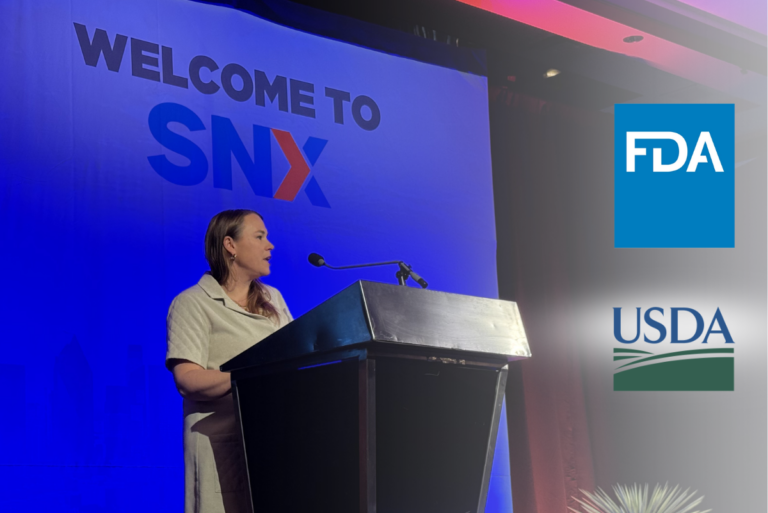
CHICAGO — Since the Make America Healthy Again (MAHA) agenda came on the scene, it has made waves throughout the food and beverage industry, spurring regulatory moves to phase out FD&C food dyes, proposing changes to on-package gluten disclosure and re-assessing ingredients such as BHT and ADA.

Its impact and presence rippled into the programming of the Institute of Food Technologists (IFT)’s annual IFT FIRST conference, held July 12-15 in Chicago. During the “Decoding ‘Make America Healthy Again’: What It Means for Food, Policy, and Public Health” panel, moderated by Darryl Riley, president of TQSM LLC and former Hostess Brands executive, attendees heard from a panel of industry experts regarding MAHA’s impact on food producers. Panelists included Michael Boes, chief MAHA officer for Steak ‘n Shake; Martin Hahn, partner at Hogan & Lovells US LLP; and Beth Johnson, founder and principal partner of Food Directions.


Advertisement

Policy through the years

Hahn noted that in the past, there would be a more systematic approach featuring advisory committees and science-based recommendations to tackle concerns around ingredients such as artificial colors. Now, the speed at which the current administration is proposing regulatory changes is challenging food companies to pivot faster than these procedures can be followed. The language used in relation to these changes is also causing strife.

“Some of the messaging has been very hard for the food industry,” Hahn said, sharing that some ingredients that have been around for a long time are being targeted in these conversations. It’s been very challenging from a food industry regulatory perspective to try and navigate this.”

MAHA is not just a regulatory or policy matter. Its influence, Johnson shared, has spread into the consumer sphere largely through social media.

“We’re in a tough situation to get the right things done,” she said. “We need more science. We need better science. We need some pragmatism. We need honest conversations, and we need to be comfortable that we’re going to make incremental changes.”

Advertisement

Word choice matters

Verbiage is also important in this space, especially as food producers eye the pending FDA definition for ultra-processed foods (UPFs). Consumers are getting mixed messages about the term and its correlation with various baked goods. While the acronym keeps circulating across the industry, Hahn noted a need for more research before a decision is made on this matter.

“What we’re advocating for is to let the science continue,” he said. “If we know and have the science, then we can start developing policies.”

In terms of MAHA-related regulation, Hahn shared that food companies need to keep an eye on the growing number of product liability lawsuits and advocate for the industry at the local and federal level.

“My concern is that some of what this administration and the MAHA movement are trying to impose on the food industry are getting ahead of the science, and if they continue succeeding, those are going to have adverse financial consequences to the industry,” he said. “We need to make our concerns known.”

Advertisement

Related News

Advertisement

Advertisement

Advertisement

Advertisement

Popular Articles