
Advertisement

Supreme Court strikes down IEEPA tariffs

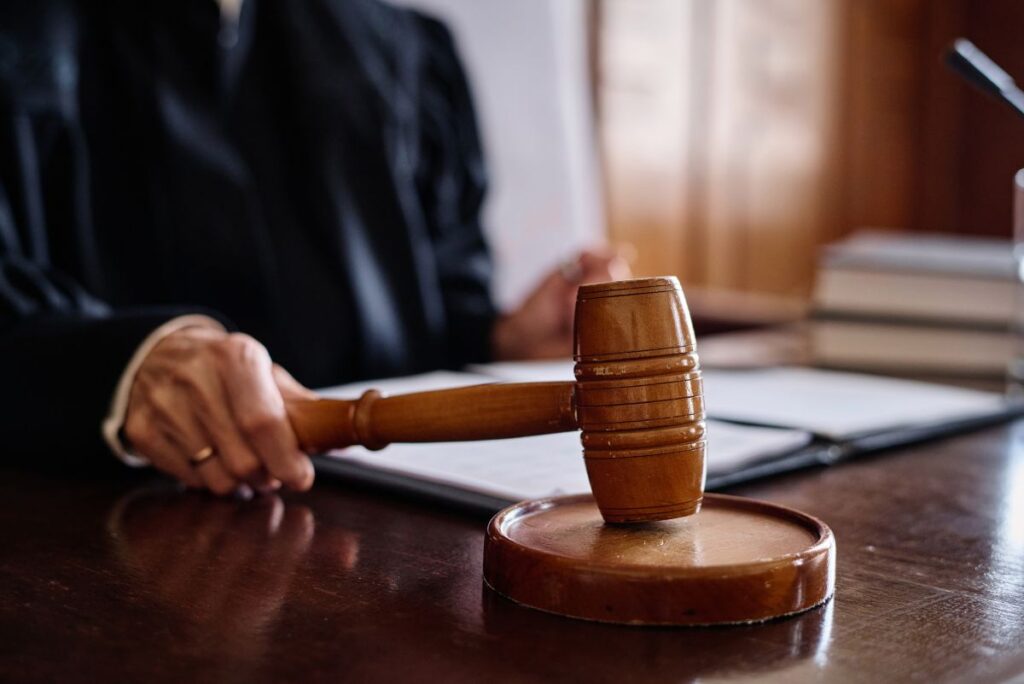
judges gavel
GRAPHIC COLLAGE BY AVANT FOOD MEDIA
BY: Mari Rydings

Mari Rydings

KANSAS CITY, MO — In a 6-3 vote, the US Supreme Court has ruled that the Trump administration’s use of the International Emergency Economic Powers Act (IEEPA) to impose tariffs on the majority of countries is illegal.

“IEEPA contains no reference to tariffs or duties,” Chief Justice John Roberts, joined by Justices Neil Gorsuch and Amy Coney Barrett, wrote in a section of the decision. “The government points to no statute in which Congress used the word ‘regulate’ to authorize taxation. We claim no special competence in matters of economics or foreign affairs. We claim only, as we must, the limited role assigned to us by Article III of the Constitution. Fulfilling that role, we hold that IEEPA does not authorize the president to impose tariffs.”

Justices Elena Kagan, Sonia Sotomayor and Ketanji Brown Jackson sided with Roberts, Gorsuch and Coney Barrett, saying that ordinary interpretation of the statute was enough to strike down the tariffs.
Advertisement

Justices Brett Kavanaugh, Clarence Thomas and Samuel Alito dissented, arguing that the IEEPA gives the president the power to use tools such as tariffs to regulate imports.

“The tariffs at issue here may or may not be wise policy,” Kavanaugh, joined by Thomas and Alito, wrote. “But as a matter of text, history and precedent, they are clearly lawful.”

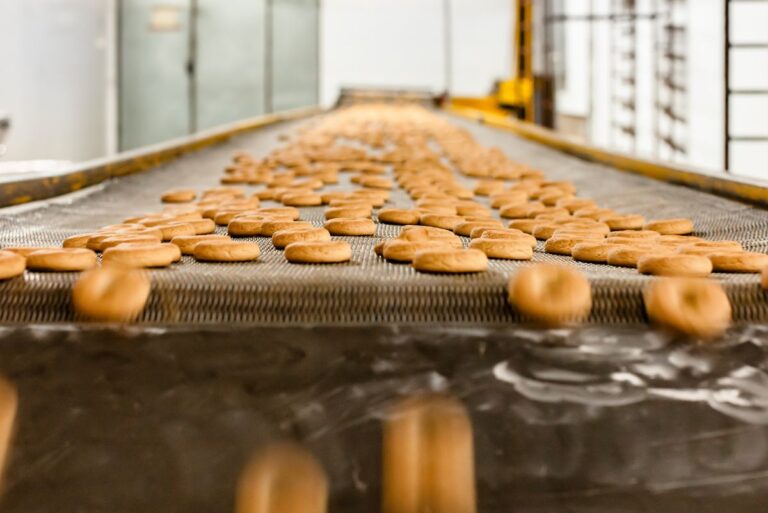
Tariffs have taken a toll on the baking industry, with research from the American Bakers Association (ABA) indicating they have added an estimated $744 million annually to the cost of imported ingredients and supplies.

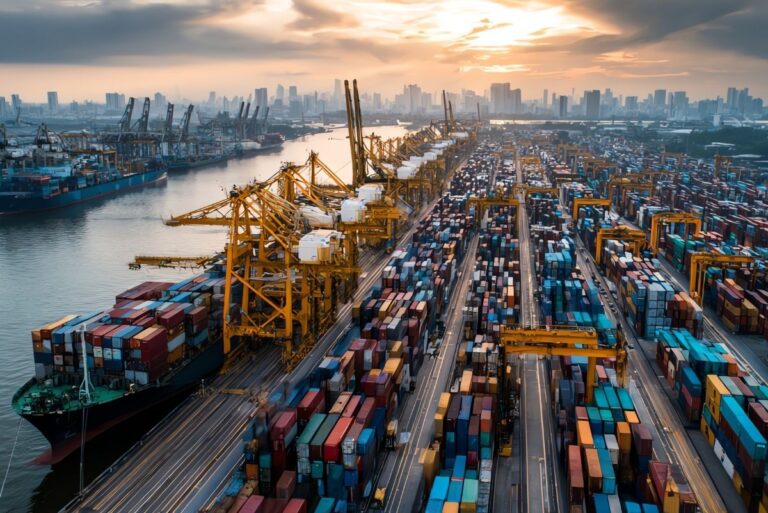
“Commercial bakers rely on integrated global supply chains for ingredients, packaging and equipment,” the ABA said in a written statement. “Tariffs imposed under IEEPA have added significant costs across the sector, affecting jobs, wages and the affordability of baked goods for American families. This ruling provides important clarity to the commercial baking industry. We look forward to continuing to work with policymakers to support a stable, competitive commercial baking industry.”

Advertisement

Tariff refunds not discussed

The majority did not address the issue of refunds for businesses that paid tariffs on imports. During a BEMA-U Market Minute educational session on the future of tariffs held last month, Shawn Marie Jarosz, chief trade strategist and founder of trade consultancy TradeMoves, said she believed refunds would not be in the form of a rollback of tariffs. Instead, importers would receive an infusion of cash via a yet-to-be-determined process that could take months.

Advertisement

The ruling doesn’t mean tariffs will disappear. In a press conference following the Supreme Court’s decision, President Trump said he would continue with Trade Act Sections 201, 232 and 301 tariffs. He also indicated he would sign an executive order imposing a 10% global tariff under never-before-used Section 122. Those tariffs are limited to no more than 150 days. Previously, the administration said it might also consider implementing Section 338, which also has never been enacted before.

Related News

Advertisement

Advertisement

Advertisement

Advertisement

Popular Articles