
Advertisement

Product development competitions boost the baking industry

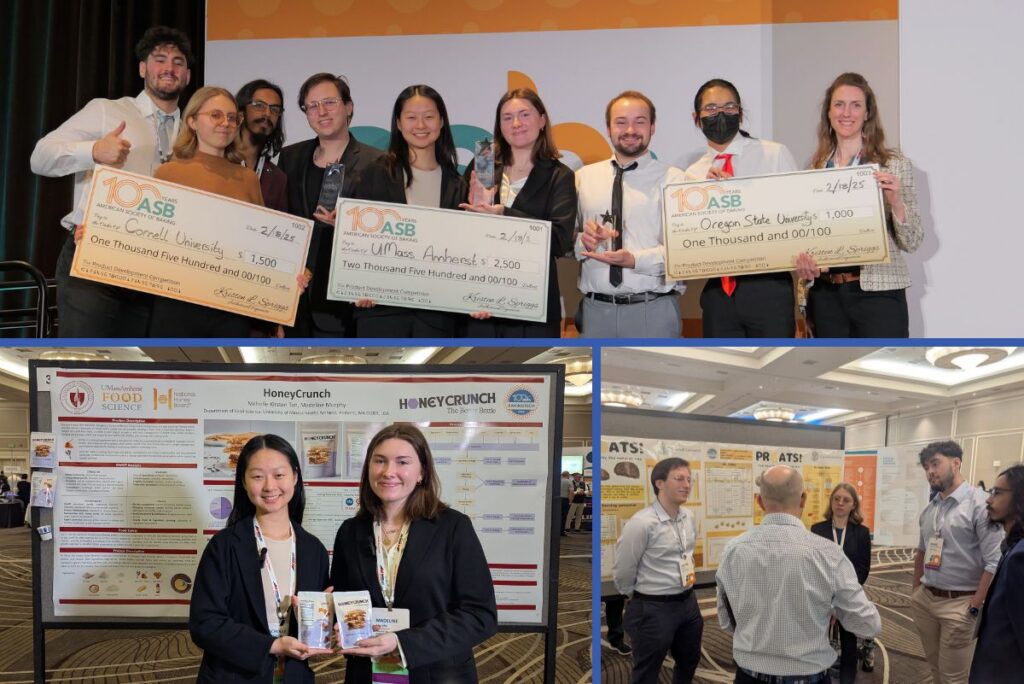
Student participants of the American Society of Baking's 2025 Product Development Competition
GRAPHIC COLLAGE BY AVANT FOOD MEDIA | PHOTOS COURTESY OF AMERICAN SOCIETY OF BAKING
BY: Annie Hollon

Annie Hollon

KANSAS CITY, MO — With a wave of workers leaving the workforce, a labor crisis haunts the baking industry. A study from the American Bakers Association revealed that by 2030, commercial baking is anticipated to have about 53,500 unfilled jobs. Closing this gap and recruiting fresh talent is easier said than done, but one way the industry is turning the heads of next-gen talent is through product development competitions.

These contests are a storied part of the food and beverage sector, offering a broad scope for students to engage with the field year after year. Beyond offering budding professionals a chance to take their knowledge beyond the lab and lecture hall, product development competitions help companies scope prospective new talent to fortify their operations.

There’s no shortage of competitions, and they range in subject and focus area. Within the baking industry, the preeminent opportunity for up-and-comers to showcase what they can do is through the American Society of Baking (ASB)’s Product Development Competition, sponsored by the National Honey Board. First established in 2014, students from across the US enter the contest for a chance to present at the association’s annual BakingTECH conference and win scholarship money.

“The competition was created to find the best of the best who are interested in our industry and then offer them the opportunity to come to BakingTECH, showcase themselves and their work, and hopefully make some useful connections that will help them in the future,” said Sarah Day, director of education for ASB.

Day emphasized that the value for students extends to the industry immersion found at BakingTECH. With finalists pitching to a live audience of decision-makers, the participants not only network with prospective employers and mentors, but they also get an up-close look at what the baking industry is all about through attending education sessions.
Advertisement

A case study for baking

Watching other students go head-to-head in competitions held during IFT FIRST in 2024 inspired Madeline Murphy, a senior studying food science at the University of Massachusetts – Amherst, to enter ASB’s competition with her classmate Nicholle Tan.

Murphy already had an ASB membership, having entered the competition in 2024 as part of a different team, and she was determined to put forth her best effort with a new teammate and a fresh idea. Working through the application gave the duo a taste of what product development looks like in the real world on a smaller scale.

“It really goes through all of the aspects of product development but in a miniature version,” Murphy said, noting that it also challenged the pair to conduct additional research beyond their coursework on key topics such as food safety.

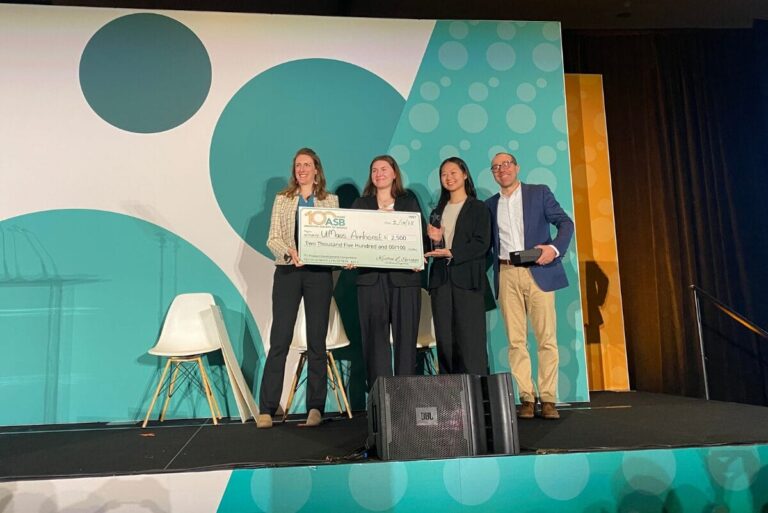
The UMass Amherst team took home the grand prize in 2025 for HoneyCrunch, a brownie brittle fused honey and lavender. Creating this entry was reminiscent of what industry pros do every day, with Tan and Murphy working together to hone the right ingredients and process to achieve the ideal texture, flavor and structure.

Composed of a written component, product sample and final presentation, the ASB contest offers a condensed form of what R&D for a CPG product can look like. Getting to this format required the association to adapt year after year, adjusting parameters to best reflect what today’s professionals encounter in the field.

“We make changes every year, and we really listen to what the organization and members are telling us, so we can incorporate that feedback and make sure the competition is valuable for the students and the people at the conference,” said Harrison Helmick, PhD, senior scientist at Roquette and chair of ASB’s product development committee. “We have always worked to make sure the rules of the competition reflect what the members are looking for.”

“It’s really important that we continue offering opportunities that help develop the next generation of people who will shape our industry.” — Harrison Helmick, PhD | senior scientist | Roquette

Advertisement

This detailed approach to product development is what makes it stand out among other similar competitions, noted Keith Seiz, head of ingredient marketing for the National Honey Board.

“It really is thorough and has students approaching product development from all sides,” he said. “You don’t just have to come up with a good idea. You have to understand manufacturing processes, formulations, costs — everything that goes into it. It’s really a crash course.”

Positives for all parties

The benefits of these competitions — either as a contestant, spectator, sponsor or judge — are bountiful. For students, the pros extend beyond podium placement and the $2,500 grand prize per team member, one of the largest pools out there for these kinds of contests, according to Day.

Getting in front of industry decision-makers can be career-defining for participants. Helmick, and Ian Jolliffe, regional sales manager for Cain Food Industries, learned that lesson firsthand. The duo — then undergraduate students at Kansas State University — entered and won ASB’s 2016 Product Development Competition.

The experience provided Helmick with valuable talking points that helped him connect with professionals at BakingTECH. In turn, he made connections that opened door to opportunities at Custom Foods, Flowers Foods and Bimbo Bakeries USA.

Taking the top prize in 2025 has also served Murphy well. Having the tangible experience of the ASB competition helped her earn an internship with Whole Foods Market and teed her up to work with a small flour company this spring as an intern working on recipe development. It has also helped her clear a path for what she wants her career as an industry professional to look like.

“It gave me such a great overview of what product development looks like, and it made me realize that that is what I want to do, and it’s what I have skills for and can be successful in,” she said.

Advertisement

Participants aren’t the only ones who reap the benefits of these programs. They can provide insight into early trends, giving attendees an upper hand in the market.

“To see what that next generation is thinking about in developing new products was a great learning experience for me as a judge,” Seiz shared.

Beyond getting a glimpse at what the next generation is interested in, spectators also gain exclusive access to some prospective team members that could take their operations to new heights.

“ASB hand-picks the best promising talent through a rigorous committee process, hands it on a platter to the industry and says, ‘Here’s 30 minutes of the best students in the country,’” Day said. “’ We vetted them and brought them here, and they’re ready to talk to you.’”

The baking industry’s labor challenges ensue, crafting opportunities to draw in and engage with young talent will help keep the ovens running and businesses growing.

“It’s really important that we continue offering opportunities that help develop the next generation of people who will shape our industry,” Helmick concluded. “If you don’t have opportunities for students to get involved, your business could falter. You need that younger voice.”

The next generation of talent is hungry for the chance to present what they can do for the industry at large. With a continuous thread of connection and opportunity through product development competitions, the future is in safe hands.

Related News

Advertisement

Advertisement

Advertisement

Advertisement

Popular Articles