

Advertisement

Navigating the uncertainty of UPFs … together

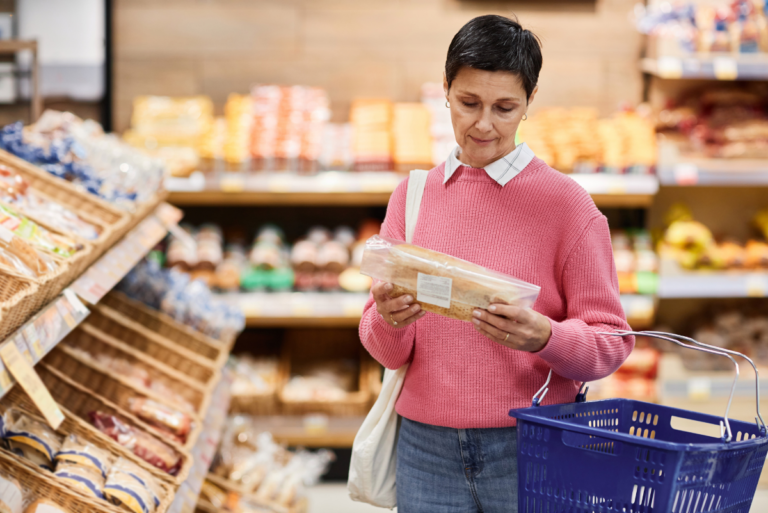
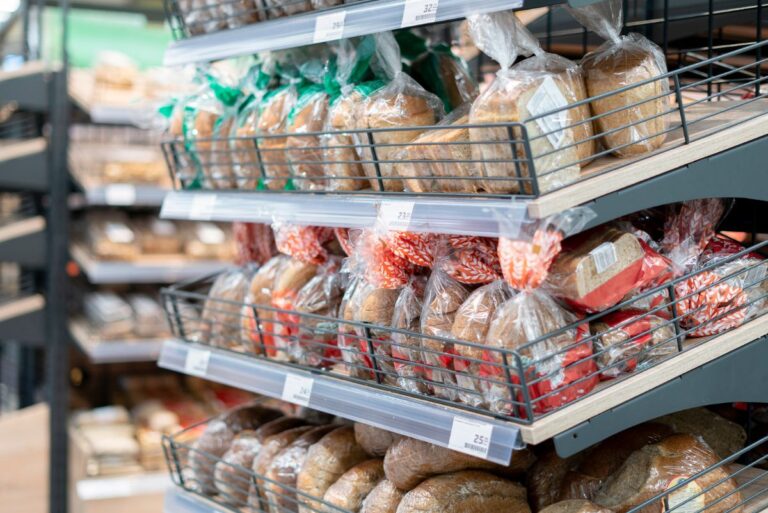
Grocery aisle in store with UPFs
PHOTO CREDIT: ALEXANDRE ROTENBERG | ADOBE STOCK

KANSAS CITY, MO — Bakers have an opportunity to confront inconsistent messaging about ultra-processed foods (UPFs) and address consumer concerns by following the Grain Foods Foundation’s (GFF) example and focusing on nutrition science and health outcomes rather than broadly defined food categories. Grouping foods solely by how they’re processed, without considering their science-based nutritional value or public health benefits, can lead to confusion and misrepresent the role many foods play in a balanced diet.

“That’s why it’s so important to keep the conversation grounded in science and trust while also recognizing the real questions people are asking,” said Erin Ball, executive director of GFF. “Consumers want food that feels safe and nourishing, and that aligns with their values. It’s on all of us in the grain foods industry and across the food system to offer clarity and reassurance that meet those needs.”

Advertisement

It’s also important to remember that there’s more at play than a lack of scientific literacy. What consumers eat — and what they’re told not to eat — evokes an emotional reaction, too. Social media can amplify misinformation and oversimplify narratives, and anyone can claim they’re a nutrition expert and exert real influence in the nutrition space.

“Food processing is a complex topic, and while it’s important to ask questions, the current discussion often overlooks the role processing can play in improving nutrition delivery, safety, shelf life and accessibility,” Ball said. “When that nuance is lost, beneficial foods risk being unfairly dismissed, even when they contribute meaningfully to healthy, balanced diets.”

A 2025 consumer survey conducted by the Food Integrity Collective and Linkage Research in support of the Non-GMO Project’s recently announced Non-UPF Verified Standard certification more explicitly lays bare how societal polarization has damaged consumer trust in government institutions. The survey revealed that, in respect to their food choices, shoppers rank food manufacturers low, just above social media ­influencers, and below government and artificial intelligence.

“It’s so important to keep the conversation grounded in science and trust while also recognizing the real questions people are asking.” — Erin Ball | executive director | Grain Foods Foundation

Advertisement

It’s not all doom and gloom. Uncertainty creates opportunity. For example, scientific research has long pointed to the lack of dietary fiber in most Americans’ diets. Product innovation in the UPF space to address consumer health needs, such as increasing fiber while maintaining safety, taste and affordability, presents an opportunity to food processors. Updating formulations could give commercial bakeries an easy way to highlight nutrition.

“If we start with this idea of processing as iterative innovation, it frames up some of the challenges we’re having right now in the UPF dialogue, and it also opens the door to what the next ­frontiers might be,” Ball said during a recent webinar on navigating UPFs hosted by the American Society of Baking (ASB).

The industry can also support research to close scientific gaps, engage in evidence-based policy dialogue, and collaborate with health professionals and scientists. Although consumers can be wary of industry-funded research, it’s worth the effort. Bakers have an opportunity to proactively contribute clear, accessible, science-based information about what goes into the foods they make.

Advertisement

“We need to think beyond this as an individual problem, a failure of individuals to understand, or a failure of science communicators and the industry to tell their story well,” said Charlotte Biltekoff, PhD, professor of American studies and food science and technology and Darrel Corti-endowed professor of food, wine and culture at the University of California — Davis.

On that front, organizations such as GFF, ASB, and the American Bakers Association are committed to generating high-quality research and translating it into practical, credible, evidence-based insights.

Commercial bakeries strive to support public health, whether by fortifying breads with essential nutrients, offering whole grain options or adapting to evolving dietary guidelines. Until terms like “ultra-processed” are clearly defined, it’s even more important to focus innovation on providing nutritious foods that fit into real-world diets.

This story has been adapted from the February | Q1 2026 issue of Commercial Baking. Read the full story in the digital edition here.

Related News

Advertisement

Advertisement

Advertisement

Advertisement

Popular Articles