Advertisement

Bread’s battle with ‘truth decay’

Bread’s battle with ‘truth decay’: a women eating bread
BY: Joanie Spencer

Joanie Spencer

CHICAGO — Everyone knows that modern consumers want more from their food, and they want to know more about it. But at the same time, this age of AI-driven information allows people to rely more on storytelling than facts. It’s creating a cognitive dissonance between what they want and what they think they need. And that’s making it harder for the baking industry to communicate the health benefits of grain-based foods.

“Everyone is an influencer right now,” said Erin Ball, executive director of the Grain Foods Foundation (GFF). “And everyone is influenced.

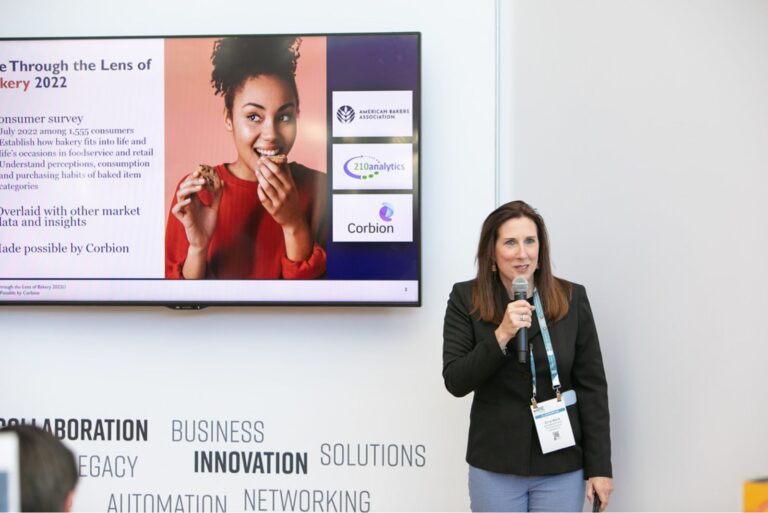
During the American Society of Baking’s BakingTECH conference, held Feb. 17-20 in Chicago, Ball hosted a panel discussion on the importance of storytelling and transparency for driving growth and combating misinformation around baked goods. Panelists included Kathleen Robbins, VP of R&D for Bimbo Bakeries USA; Dan Letchinger, senior VP of growth brands for Flowers Foods; and Lindsey Morgan, senior director of marketing and innovation for Ardent Mills.

“The food culture environment and the conversations around food are different these days than they were five, 10 or 20 years ago,” Ball said. “Consumers are looking for more than facts. They’re looking for emotional connection and context.”

Advertisement

As Americans have been focused on health and wellness for much of the last decade, initiatives like Make America Healthy Again (MAHA) have kicked the health movement into even higher gear. Research from Ardent Mills indicated that about 73% of consumers are now taking major actions to get healthier. While that’s generally a positive sentiment, it doesn’t come without challenges for the producers of bread and other baked goods.

“We’re also finding that consumers have pretty low levels of trust with participants in the food industry, whether that be food manufacturers or ingredient suppliers,” Morgan said. “It creates a bit of a conundrum because consumers want more better-for-you foods, but they also have a lot of skepticism of the companies that can bring that to them.”

The trust factor

The challenge for this industry has centered greatly around trust — or the lack thereof — when it comes to consumer perceptions around commercially produced foods and confusion stemming from varying definitions of ultra-processed foods.

While that creates tension between brands and their consumers, it also creates opportunities for not only product development but also creating a better narrative around how commercially produced foods are made safely and nutritiously.

Telling the right story is especially important when people have instant access to so many different information sources, ranging from news outlets to social influencers, podcasters, government agencies, and old-fashioned word-of-mouth.

“There’s really no single source of truth today,” Letchinger said. “And that’s ultimately leading to message distortion and ‘truth decay.’ There are a lot of fractured messages, and it almost feels like a pervasive distrust of where the truth is coming from.”

Oftentimes, it’s the loudest voice that’s believed, rather than the most informed, especially when instant — and often contradictory — information can’t always be traced back to its source.

Court of consumer opinion

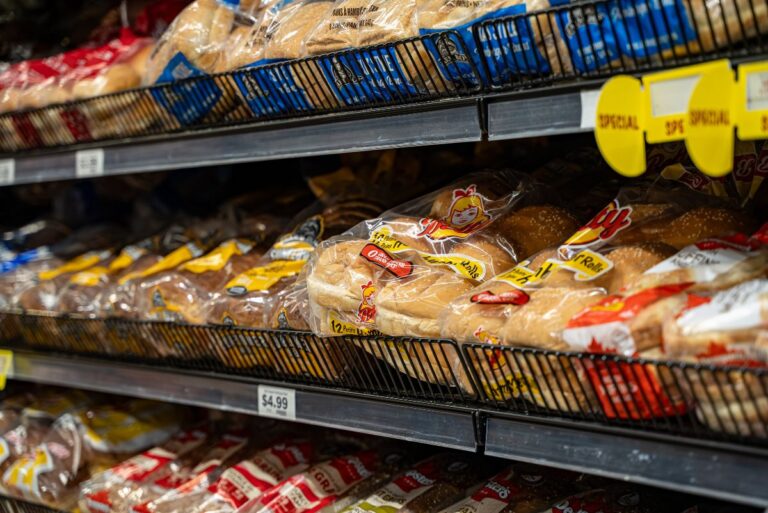
Six years ago, supermarkets couldn’t keep bread on the shelves. Today, bread is under attack.

“Bread is being vilified as devoid of meaningful nutrition,” Letchinger said. “But this is an opportunity for us to recast the narrative and reshape what consumers think of when they consider the value our products offer.”

For example, he said, a loaf of Flowers’ Dave’s Killer Bread represents 4 grams of fiber and 20 whole grains per serving, and with 17 slices, it creates eight sandwiches and a piece of toast.

“That’s the kind of value we, as producers, need to communicate,” he said.

“This is an opportunity for us to recast the narrative and reshape what consumers think of when they consider the value our products offer.” — Dan Letchinger | SVP of growth brands | Flowers Foods

Advertisement

Diet culture is another contributor to confusing messages around bread, baked goods and carbs.

“The biggest misconception about carbs is that people think they either make them gain weight or they cause inflammation,” Robbins said. “But the nuances lie within the fiber matrix. When you think about complex carbs like whole grains, they offer so much. We all know that, and we have to share that information.”

This becomes an important part of the conversation as fiber gains attention while the latest Dietary Guidelines for Consumers downplays grains.

“Fiber is having a cultural moment, which I think is great because protein has been stealing the stage for a while,” Morgan said. “Protein isn’t going anywhere, but nutritional influencers are talking more about fiber as an important, yet under-consumed, nutrient. And grain-based foods can be a great carrier of fiber.”

Morgan also pointed out that people get about 40% of their fiber from foods made with refined wheat.

“There’s a real opportunity to innovate in this space,” Morgan continued, “to bring more nutrient density, more fiber into our baked goods. And then we can better tell our story while staying in that cultural moment for as long as we can, as we work on making a real impact for Americans getting more fiber.”

Advertisement

Taking back the narrative

While consumers may understand the relationship between fiber and satiety, many might not realize the role fiber plays in bread. It’s these types of misunderstandings that Ball encouraged the industry to help correct.

Whether it’s touting the benefits of nutrients like fiber or explaining that the process of baking at scale in many ways emulates the steps in a home kitchen — just with larger tools — the story is the industry’s to tell. It’s just a matter of delivering science-based facts in digestible ways and articulating the message not only consumers but also to, and with, influencers, government agencies and even retailers.

“We have to think all the way from the grower to the retailer to the consumer, and everyone in between,” Ball said. “We need to focus on consistency in communication, even with those we aren’t working directly with every day. It can feel daunting, but it’s how we build long-term trust.”

The industry is often reacting in real time to constantly changing — and increasingly intense — narratives around commercially produced breads and baked goods. Proactive participation is necessary, and it requires alignment across the board.

“We need to work together in this dynamic time,” Letchinger said. “We make some of the most nutritious foods consumers can get. Bread is the staff of life. It brings people together and across tables. We need to stand on business and not let the narrative put us on the back foot. We need to retake the narrative.”

With industry alignment as the key to that narrative, the panel shared optimism for overcoming the current challenges and tapping into new opportunities.

“I’m optimistic because of the growing benefits of grains that align with what matters most to consumers,” Robbins said. “And I’m very optimistic about the collaboration that’s possible. Together, our voices are strengthened. We’ll all be heard if we work together.”

Related News

Advertisement

Advertisement

Advertisement

Advertisement

Popular Articles