

Advertisement

How does maple fit into the push for clean labels?

Maple syrup and how it fits into clean labels
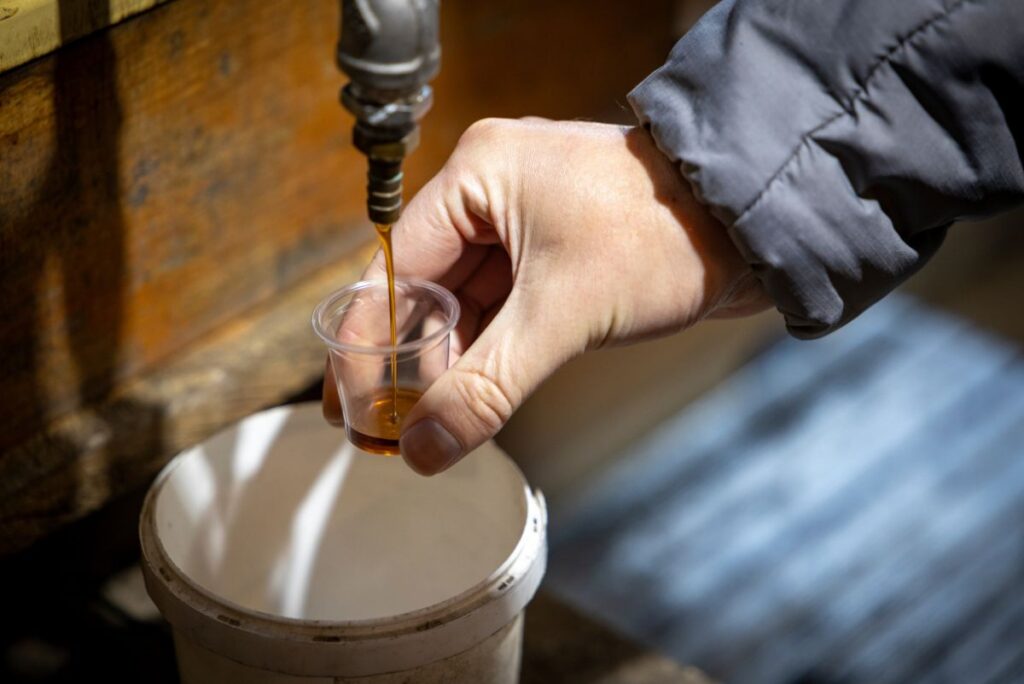
PHOTO COURTESY OF BASCOM MAPLE FARMS
BY: Maddie Lambert

Maddie Lambert

KANSAS CITY, MO — Travel back to the ’90s and see the first inklings of “clean label” plant their roots in the food landscape, when growing consumer awareness of GMOs prompted the first “free from” demands. Jump forward to the early and mid-2000s and see how contamination scandals accelerated calls for more ingredient transparency. Today, in the digital age, QR codes offer ingredient traceability and short nutrition labels garner consumer trust.

No longer a niche but a new norm, clean label is a high-growth trend in the food industry. According to data from Innova Market Insights, 30% of global food and beverage launches featured a clean-label claim in the past year. Many of those labels listed maple syrup as a plant-based alternative to artificial sweeteners and colors.


Advertisement

Some commercial bakers may question where maple fits within the broader picture of clean labels and how they can use this natural sweetener in their own portfolios. According to Cindy Finck, director of bulk sales at Bascom Maple Farms, it’s not as big a lift as one might think.

“Using maple does require some balance and substitution, but once the balance is found, using maple will not alter the final product,” she explained. “Maple sugar can be used cup-for-cup in place of cane sugar.”

Understanding the grades

There are four types of Grade A maple syrup on the market — Golden Delicate, Amber Rich, Dark Robust and Very Dark Strong — and bakers typically work with all of them, depending on the application and final product profile. All grades of maple syrup share the same sugar content and density, but the color and depth of the maple flavor are generally the deciding factor in which grade bakers choose to use.

“Maple syrup is very similar to traditional sweeteners since it’s mostly sucrose,” said Arnold Coombs, director of sales and marketing at Bascom. “It gives a browning effect, strong flavor and coloration, and it’s extremely useful as a binder.”

All maple types can be used in various applications, including crackers, cookies and donuts, to name a few. Golden Delicate provides a subtle, mild maple flavor that highlights the notes of vanilla and butter in pastries, while Amber Rich provides a full-bodied maple flavor and a 1:1 sugar replacement for liquids and glazes. The list goes on and on.

“We’re consistently seeing younger generations seek out pure and natural products. That single-ingredient, clean-label aspect of maple is appealing to that demographic.” — Arnold Coombs | director of sales and marketing | Bascom Maple Farms

Advertisement

The list, however, doesn’t stop at classic baked goods. Modern bakers are finding new ways to incorporate the various grades and flavors.

“We’ve had a customer use our maple sugar for a Cronut, which is trending right now,” Finck said. “We’re also seeing maple sugar being used as a dusting on top of pretzels and maple syrup as a binder in quinoa bars.”

A broader scale

With a 4,500-acre farm and more than 112,000 trees tapped on a yearly basis, Bascom serves a wide customer base, ranging from large commercial producers to local artisan bakers. No matter the scale of operations, maple is meeting the current needs of the baking industry and answering the call for clean-label sweetness.

Advertisement

This surge in demand isn’t without its challenges, however.

“The issue has been that the market keeps growing faster than production,” Coombs said, “so it’s put a pinch on what’s available in the market. We’re consistently seeing younger generations seek out pure and natural products. That single-ingredient, clean-label aspect of maple is appealing to that demographic.”

According to the data from Innova Market Insights, 91% of US consumers believe food and beverage options with recognizable ingredients are healthier. Maple sits in this sweet spot, being perceived as both premium and healthy. As a sweetener consumers are already familiar with from an ingredient and sourcing standpoint, it’s a prime option for the bakers looking to revamp their portfolios.

“Not only can maple be used for clean-label requests, but it also potentially allows for an allergen-free product with a new flavor element,” Finck said. “There’s been a spike in requests across all markets for maple to be used in new product development.”

With versatility across categories and clean-ingredient status, maple gives manufacturers a surefire way to replace artificial sweeteners and refined sugars. In today’s world, where consumers can afford to be picky with their purchases, that’s a winning strategy.

Related News

Advertisement

Advertisement

Advertisement

Advertisement

Popular Articles