



Advertisement

Protein power, clear pricing fuel 2026 consumer spending

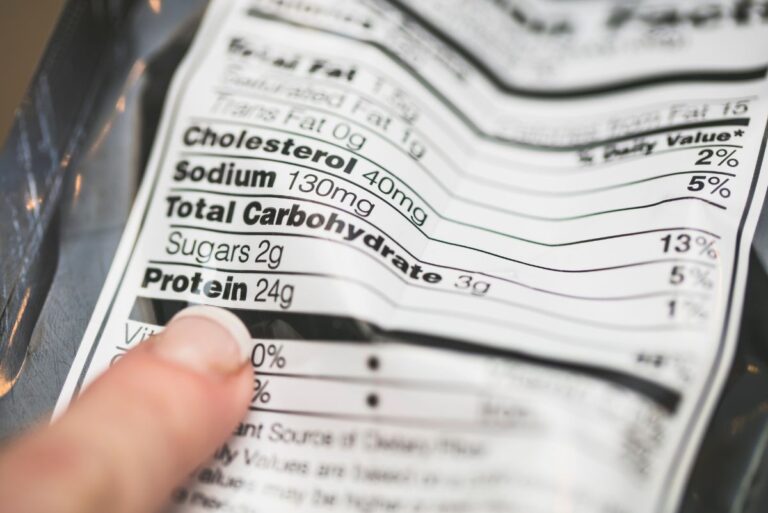
A consumer looking at a product label while grocery shopping
BY: Maddie Lambert

Maddie Lambert

NAPERVILLE, IL — KeHE Distributors, a specialty foods and fresh products distributor in North America, has released five macro trends set to impact the food and beverage industry in 2026. These market dynamics can help commercial bakers curate new product launches — or revamp familiar favorites — to stay relevant with consumers in the new year.

“Consumers are returning to what feels real, and seeking out authentic stories, purposeful ingredients, and products that deliver both nourishment and meaning,” said Marc Nehring, director of growth solutions at KeHE. “The 2026 macro trends highlight how personal and values-driven food choices have become. KeHE’s role is to connect retailers and brands with those deeper motivations so they can continue creating experiences that truly resonate with shoppers.”

Check out what KeHE predicts will impact grocery shelves come 2026.

Advertisement

Return to Real: Consumers are leaning toward foods that feel wholesome and close to their source, meaning minimally processed and traceable. According to findings from an NSF Research study, 83% of US consumers read food labels before buying them, and 64% pay more attention to them than they did five years ago. Similarly, 84% choose products that aren’t overly processed, while 59% believe fewer ingredients signal a healthier choice.

Protein Power Up: Hand-in-hand with interest in cleaner labels is a back-to-the-basics mindset. Consumers want products that pack a punch in the protein department, causing commercial bakers to up the amount of protein in breads, cookies and snack bars. The next wave is set to pair protein with fiber for nutrient-dense eating that supports weight and blood sugar management.

Crave the World: Global flavors are fueling new product launches as consumers embrace both new and familiar international taste profiles. Nearly 65% of US shoppers want more ethnic foods in their supermarkets, according to Mintel’s “US Regional and International Cuisines Market 2024” report. That same report found that 52% of Gen Z and 51% of millennials find new cuisines through social media, and interest is expanding to include flavors such as ube, tamarind, chimichurri and bulgogi.

Designed Wellness: Wellness is driven by technology, transparency and self-awareness, making grocery shopping even more personal to consumers. From fitness trackers to AI-powered insights, health data is reshaping how consumers shop and what they buy. Functional foods and food-as-medicine are strengthening consumers’ connections to brands that align with their values.

The Informed Shopper: Emboldened by AI, apps and social media influencers, consumers are shopping with intent. Transparency is extending beyond clean labels to clear pricing, as economic fluctuations reshape purchasing habits. A Propeller Insights survey found that 49% of Americans plan to buy less, and 40% expect to switch to cheaper brands to offset rising costs.

Advertisement

Advertisement

Related News

Advertisement

Advertisement

Advertisement

Advertisement

Popular Articles