
Advertisement

5 ways MAHA is impacting snack makers

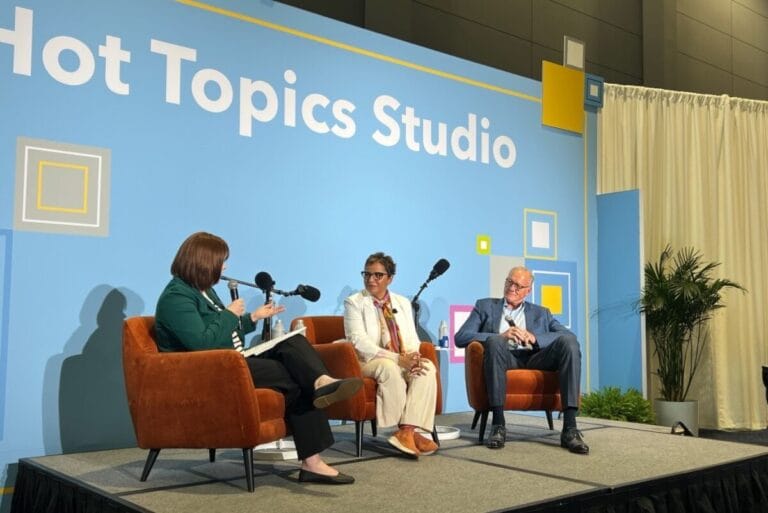
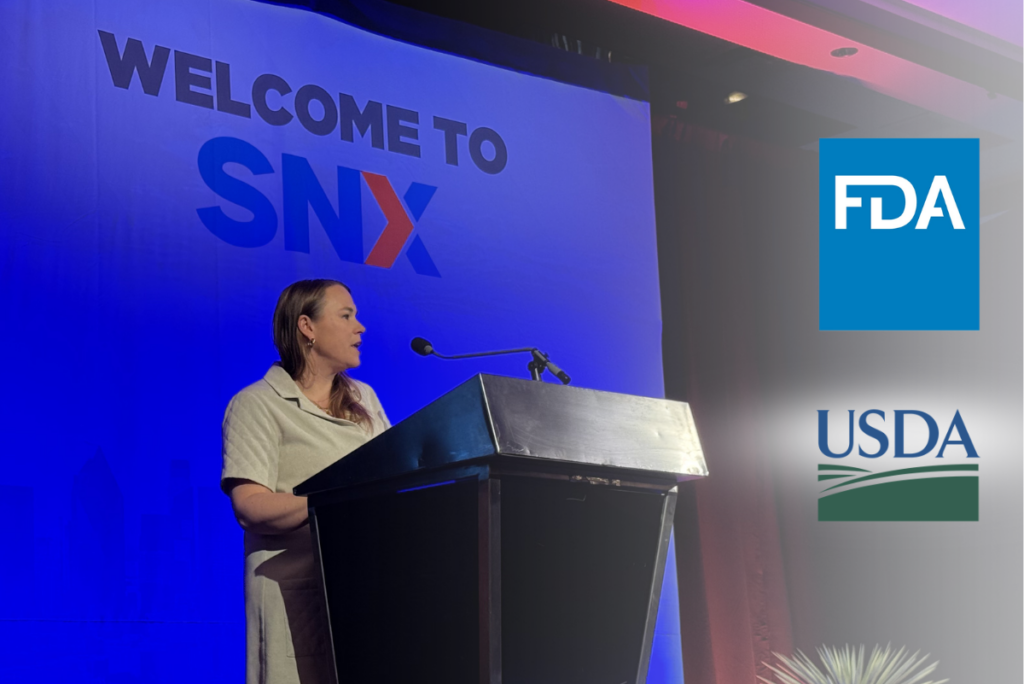
Maggie Gentile from Food Directions presenting on stage at SNX 2026
GRAPHIC COLLAGE BY AVANT FOOD MEDIA
BY: Annie Hollon

Annie Hollon

DALLAS — Since President Trump’s inauguration in 2024, the administration’s Make America Healthy Again (MAHA) initiative has made a major impact on food and beverage manufacturers, with a slew of regulatory changes disrupting the industry.

From the pivot toward naturally derived food dyes to front-of-packaging remarks and more, today’s CPG makers — especially those in the snack segment of the industry — have a lot to contend with.

During a breakout session at SNX 2026, held March 29-31 in Dallas, Maggie Gentile, partner at Food Directions and a consultant for SNAC International, offered attendees a look at five MAHA-related woes facing the industry.

Issue No. 1: Ultra-processed foods.

While the term “ultra-processed foods” (UPFs) is awaiting an official definition from the FDA and USDA, snack makers are still bearing the brunt of consumers’ concerns for products that could fall under this category.

“We’re seeing multiple interpretations that are in place, particularly at the state level, that are being used in frameworks for legislation, and there are lots of definitions also being used or contemplated,” Gentile said. “At the same time, we’re seeing advocacy groups targeting things like processing methods and industrial ingredients.”

For snack makers in particular, Gentile noted that the major risk for the industry is overclassification. She shared that various associations, including SNAC, are actively working to ensure that the UPF definition is as science-based as possible to support food manufacturers.
Advertisement

Issue No. 2: Labeling.

Product packaging and descriptions are also top of mind for decision makers, especially as the FDA is making moves regarding on-package gluten disclosure and placing key nutrition details front and center.

“This is really where policy meets consumer decision making, and that’s happening in real time,” Gentile said.

These concerns also extend to the definition of “healthy” and, consequently, which products can use that term in relation to their products.

“This administration is eager to update that definition to better align with US Dietary Guidelines, so we may see movement on that piece,” Gentile said.

On a state level, there is a major uptick in state-specific warning icons. In anticipation of these potential changes, the SNAC team is planning ahead to better support snack makers if they need to pivot.

“We’re going to continue advocating for voluntary and science- based approaches on labeling and promoting reasonable timelines,” she said, noting that a top issue for snack makers following a labeling change is ease of implementation. “It’s hard to relabel products overnight; it takes time.”

Issue No. 3: School meals.

By law, Gentile said, the US school meals program must reflect the most recent Dietary Guidelines released in January. Timing for proposed changes from the USDA could be as early as April or closer to summertime, according to Secretary Brooke Rollins.

“Some of the key shifts we may see in that proposal include further added sugar reductions and an updated sodium timeline,” Gentile said. “We’re for sure going to see an increase in protein recommendations because, as part of the dietary guidelines, those nearly doubled.”

As these considerations continue developing, the SNAC team is connecting with various producers to understand manufacturers’ needs before the USDA proposal is unveiled.

This falls in line with other efforts by food industry associations, such as the American Bakers Association’s industry-wide voluntary pledge to reformulate K-12 baked goods sans artificial food dyes.

Advertisement

Issue No. 4: Ingredients.

One of the major MAHA initiatives targeting this aspect of CPG production is the FDA’s modernization of the GRAS framework, which is currently under review by the Office of Management and Budget.

“I think we are going to see scrutiny of self-affirmed pathways for ingredients,” Gentile said, “which is going to create legal and reputational risk, formulation pressures, and even ingredients that have long-standing histories may face renewed public interest and policy questioning.”

She affirmed that while the review of standing policies is important, the way these government agencies go about evaluating these standards can be worrisome for snack makers. When approaching this issue, the SNAC advocacy team will be reinforcing regulatory history related to ingredient safety and advocating for protecting science-based processes.

Issue No. 5: Risk framework.

Given the other issues previously outlined, snacks as a category in the food and beverage space are under a microscope and feeling the impact of these regulatory changes.

“Snacks are vulnerable in this MAHA movement; we can’t sugarcoat that,” Gentile said. “These risks are definitely compounding at this point.”

Among the many hurdles producers need to be ready for, one Gentile called out specifically is the state-by-state policy fragmentation that is making things even harder for the industry.

“We know that you’re not just selling your products to West Virginia, that you’re selling them hopefully across all 50 states,” she said. “But if not, the risk of selling something to West Virginia and it ending up in a different state is certainly high, given distribution channels. And these things have real business impacts.”

It’s this mindset that drove SNAC to sign on as part of the Americans for Ingredient Transparency coalition, a lobbying group advocating for a national ingredient standard and endorsing the governing body setting regulations for the marketing and sale of foods, beverages and over-the-counter products.

Advertisement

Even with turbulence in the snack industry, Gentile also emphasized ample opportunities and highlighted SNAC’s work to support its members as they navigate these changes.

“We’re in a fundamentally different environment than we’ve been in the past,” she said. “The food is now being judged related to ingredients and processing and not nutrients … This is not going to be about defending [snacks] in the way we have in the past; it’s going to be about the future positioning of this category.”

Related News

Advertisement

Advertisement

Advertisement

Advertisement

Popular Articles