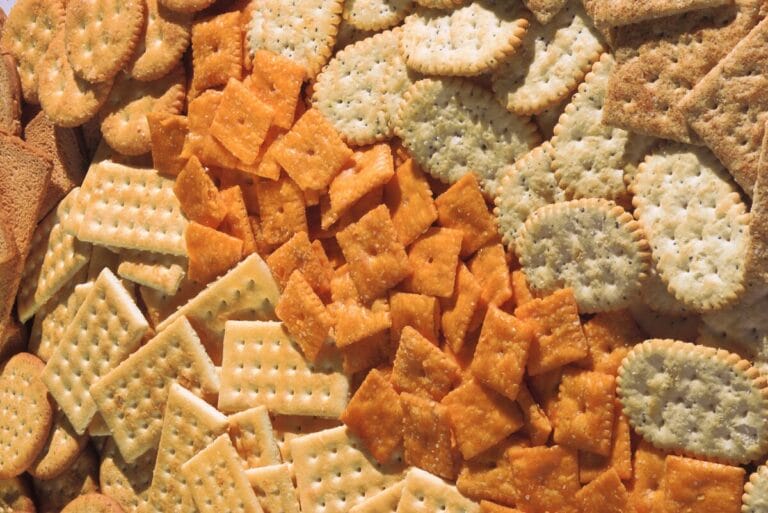
Better With Buckwheat has made a number of changes to its manufacturing processes. Efforts to grow the business, enhance operational efficiencies and increase output are necessary to keep up with demand. For example, the bakery installed new equipment that allows for the simultaneous production of crisps and crackers.
“We set up separate mixing and baking lines for crackers and crisps,” Goldstein said. “This enables us to increase production of both because we can focus on the specific process for each of the product lines individually.”
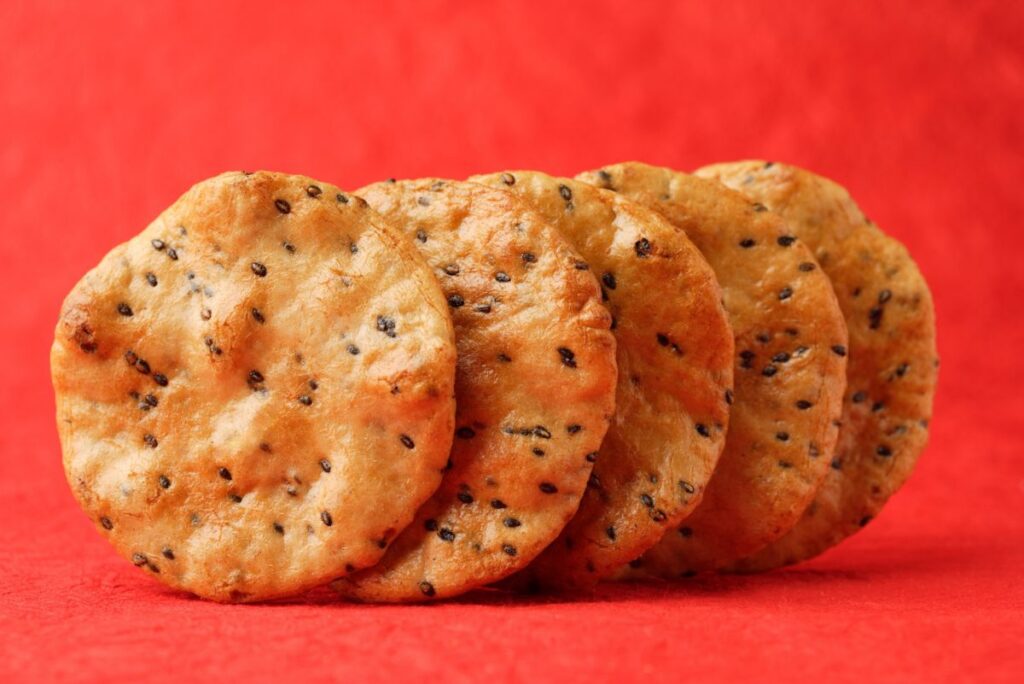
Meanwhile, aligning current production capabilities with R&D helps avoid manufacturing disruptions and promotes efficient machinability. However, Maine Crisps are challenging to mass produce because they require a two-step baking process.
“The dough for the Maine Crisps is baked into loaves, and those loaves are sliced, baked again, checked for quality and sent to the packaging machine,” Goldstein explained. “Our crackers are extruded and require only one bake, so the process is simpler and takes less time.”
The biggest game changer for the company has been the addition of an ADCO high-speed packaging line, which improves efficiency, enhances the speed of production and supports future growth. The new cartoner has helped increase output and improve the quality of finished products.
“We began using the cartoner last November, and it has allowed us to increase our output substantially,” Goldstein said. “While we are still learning about the machine, we expect to further increase throughput as we better understand all facets of its operation.”
Operational adjustments
Better With Buckwheat is focused on growing business for its current flavors of crackers and crisps and plans to launch new categories and flavor profiles in 2027. While creating new and enhanced products is an important part of the plan, the company still focuses on improving texture, taste and quality.
“We constantly monitor and adjust the baking time for the cracker loaves and crisps to get the best crunch and eliminate breakage in the packaging and shipping process,” Goldstein noted.
Sourdough crackers from Kansas City, MO-based Unbothered Foods were born out of the passion to create foods that people with digestive health issues can enjoy. Founder Morgan Murdock, a registered dietitian, launched the fermented shelf-stable pantry snacking crackers in 2023.
“Crackers are not easy to manufacture, and though ours are made with simple, whole ingredients, we use fermented dough, which is temperamental and takes time,” Murdock said. “As a start-up, it was difficult to find a comanufacturer willing to do small runs and tackle a product that required 24 hours of fermentation. I needed the expertise of a bread maker and a cracker manufacturer with [an operation] small enough to understand fermented foods yet large enough to produce at scale.”
Murdock found a partner willing to start small and learn the sourdough process. R&D required multiple test runs, dough reformulation and a built-in buffer to accommodate the fixed fermentation required for the crackers. After all, to make a true sourdough cracker, the process requires steps beyond just mixing and baking.
“Most commercial sourdough crackers are not made using a fermenting process, but instead flavored to taste like sourdough,” Murdock explained. “Without proper fermentation, those products miss the whole gut-friendly component, which is non-negotiable for me.”
This story has been adapted from the April | Q2 2026 issue of Commercial Baking. Read the full story in the digital edition here.