

Advertisement

Workforce ranks as top priority for policy advocacy

Workforce ranks as top priority for policy advocacy
GRAPHIC COLLAGE BY AVANT FOOD MEDIA
BY: Lily Cota

Lily Cota

COLORADO SPRINGS, CO — All companies across all industries are being affected by the barrage of regulatory shifts and federal affairs. In a way, no one is safe. Yet, similarly, no one is alone.

Especially not the baking industry, thanks to associations and coalitions working to promote clarity, consistency and stability to support business growth and workforce development as uncertainty continues.

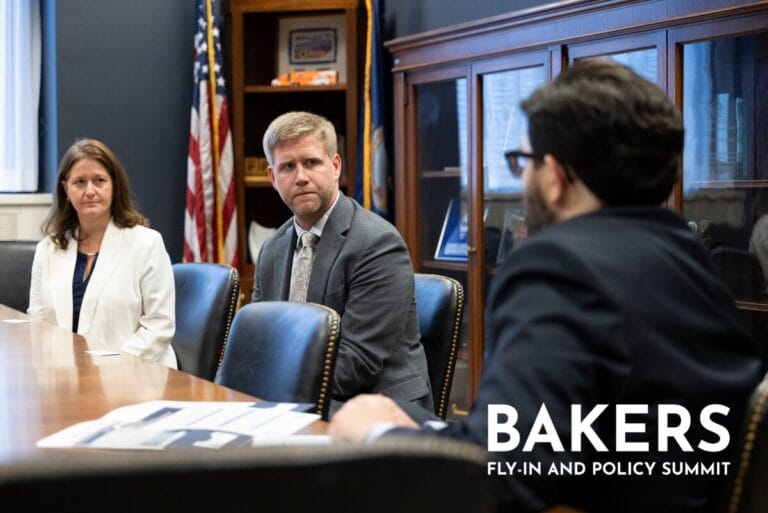
During its annual convention, held April 19-23 in Colorado Springs, CO, the American Bakers Association (ABA) updated attendees on current and future policies, as well as their sustained impact on bakers. Rasma Zvaners, VP of government relations at ABA, and Thomas Bailey, senior director of government relations at ABA, examined how the current political and regulatory environment is shaping food policy and the commercial baking sector.

“In terms of the regulatory issues, we’re going to continue to see more deregulation on the workforce side of things,” Bailey said.

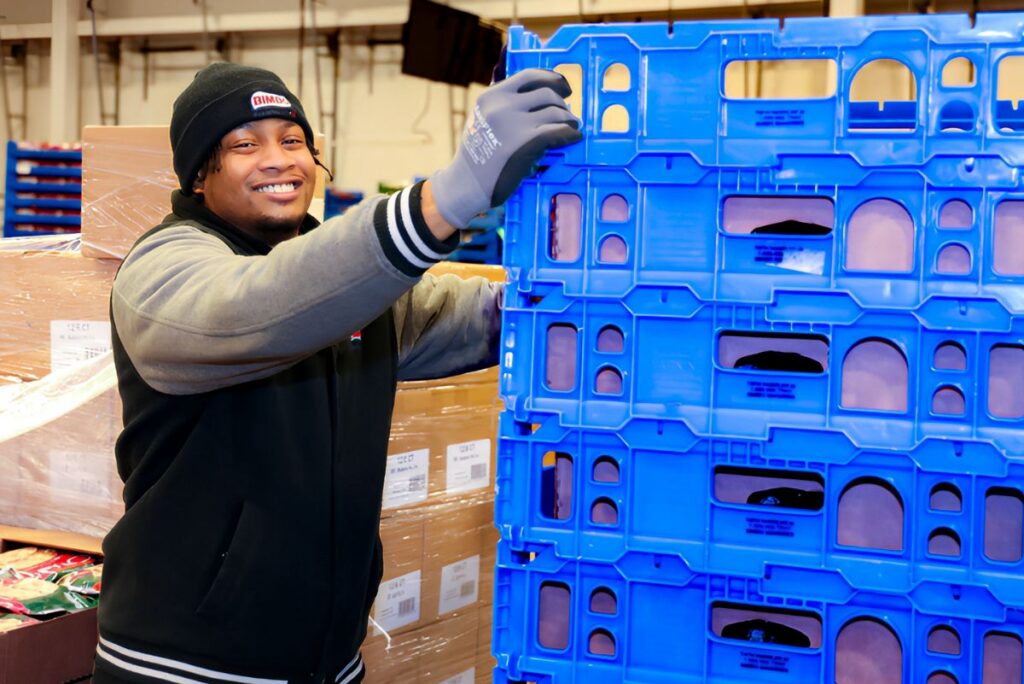
Most bakers are aware of the tumultuous trade landscape and its effect on operations, but the workforce dilemma amidst immigration issues and border crackdowns is continuing in the background.
Advertisement

“As we head toward the elections, there’s growing recognition that food, workforce and ingredient issues resonate with voters, so we expect this to stay a very active area for our industry.” — Rasma Zvaners | VP of government relations | American Bakers Association

Advertisement

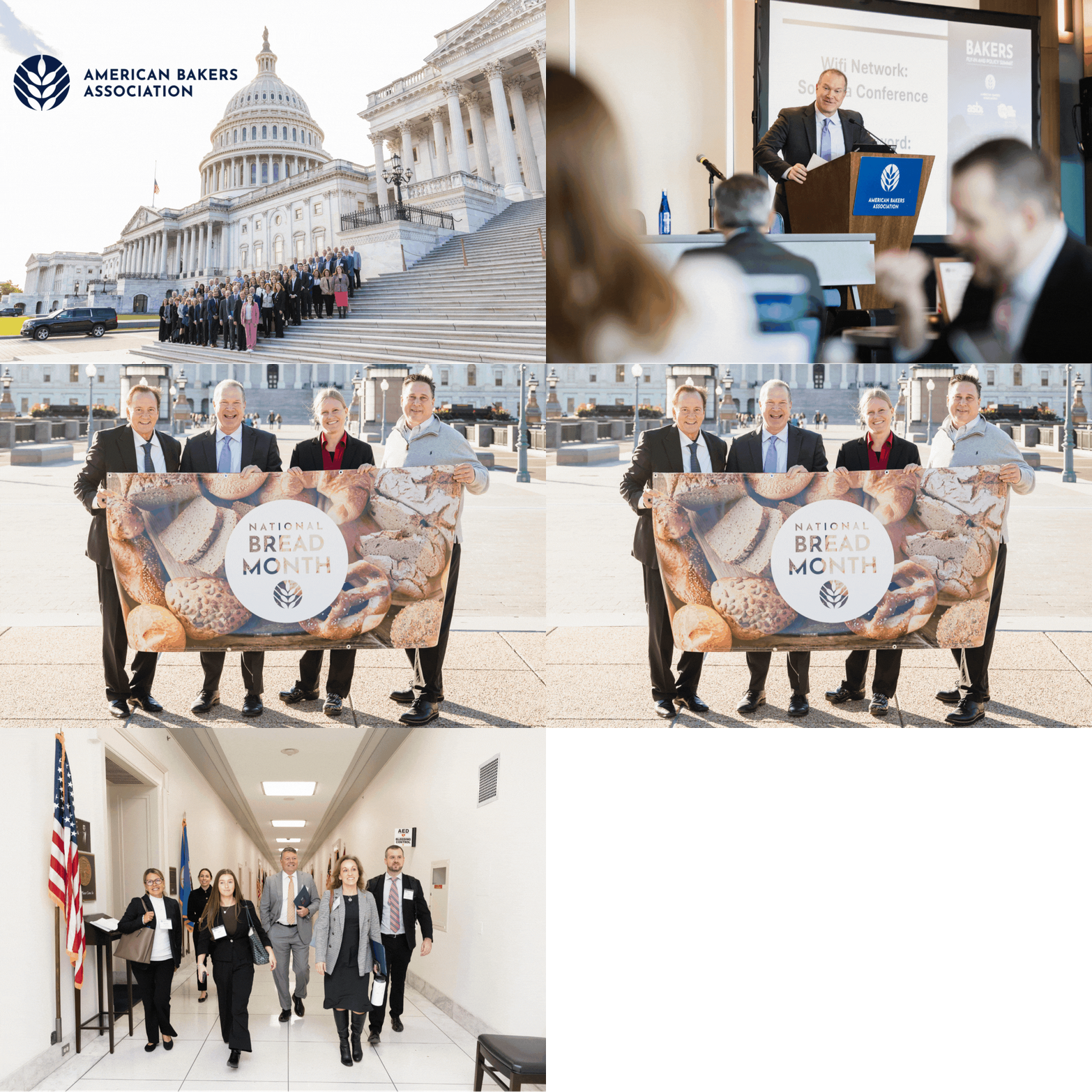
ABA has worked to keep baking companies and their workforces on the minds of those on Capitol Hill by expanding its engagement in policy and expressing the vital connection between the administration, the food industry and the consumer.

“The baking industry includes about 800,000 employees in the United States, in all 50 states and all congressional districts,” Bailey said. “ We’re advocating for expanded and new visa categories to ensure bakeries can find the workers they need to keep production running and shelves stocked.”

On the flipside, the deconstruction of previous policies has allowed room for growth.

“Many of the regulations that came down from the previous administration are now being revisited by the Department of Labor and OSHA,” Bailey said. “We’re watching key areas like joint employer, independent contracting, and OSHA standards being rolled back or reshaped, which is helping employers better support their workforce.”

The deregulatory efforts led by OSHA reflect a significant shift toward the removal of outdated or duplicative regulations, aligning with ABA’s goals of transparency and clarity across operations.

As the association furthers its advocacy work, it maintains its focus on engaging policymakers, clarifying standards, and advocating for practical regulations that will support the industry as a whole.

“Over the past year, we’ve seen a lot of shifting dynamics in food policy, but one thing that hasn’t changed is that food remains a space where everyone has an opinion and policymakers can find common ground,” Zvaners said. “As we head toward the elections, there’s growing recognition that food and ingredient issues resonate with voters, so we expect this to stay a very active area for our industry.”

Advertisement

Related News

Advertisement

Advertisement

Advertisement

Advertisement

Popular Articles