


Advertisement

Natural sweeteners get in the mix

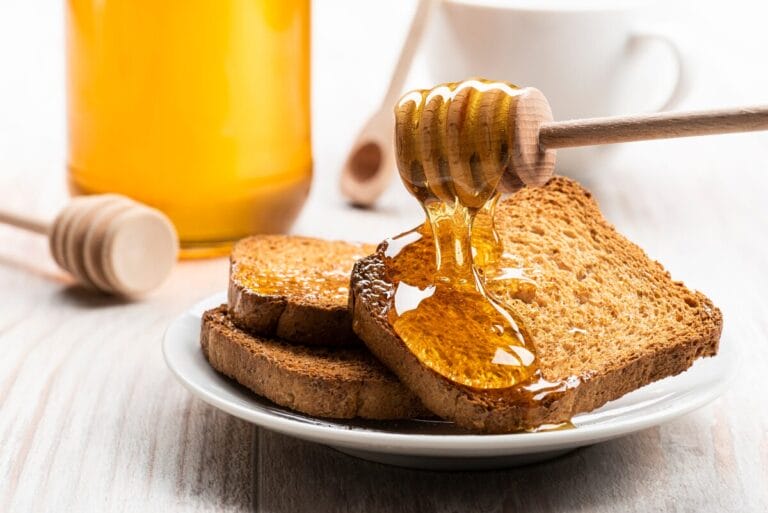
Spoon dripping syrup onto counter
BY: Maggie Glisan

Maggie Glisan

KANSAS CITY, MO — In a time not so long ago, the best bet for anyone seeking naturally sweetened
cookies or bars was the local natural foods store. Today, when “clean label” is on the tip of every tongue, and “minimally processed” is the health claim du jour, shoppers are just as likely to find those same products lined up right next to the OREOs and Chips Ahoy! at any mainstream supermarket.

Consumer and industry momentum behind natural sweeteners isn’t just anecdotal — it’s measurable. The global natural sweeteners market is projected to grow from roughly $31 billion in 2024 to nearly $43 billion by 2030, according to Research and Markets, driven by continued demand for plant-derived, clean-label alternatives across food and beverage categories.

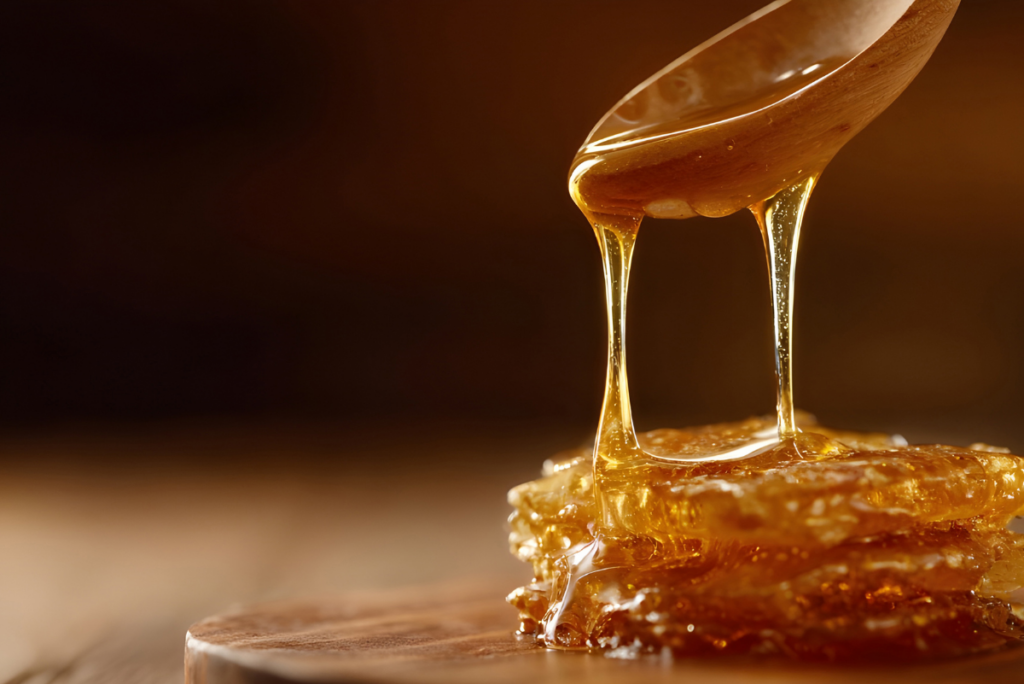
In broad terms, “natural sweeteners” encompass ingredients sourced from plants or whole foods such as honey, maple syrup, agave, monk fruit and fruit-based sweeteners, as well as high-intensity options like stevia. For bakers, their appeal lies less in novelty than in perception: These ingredients signal familiarity, transparency and a move away from heavily refined inputs. At the same time, they introduce formulation challenges, requiring adjustments to manage sweetness intensity, texture, moisture and shelf life.


Advertisement

That tension between trust and performance mirrors consumer sentiment. According to the American Sugar Alliance, when consumers are asked to identify the “healthiest” sweeteners, traditional options like honey (64.4%) and raw cane sugar (33%) consistently outrank artificial alternatives such as aspartame or sucralose, underscoring the advantage of ingredients that feel recognizable and close to their source.

“The question now isn’t whether sweeteners are used,” said Miriam Aniel Oved, head of integrated marketing at Tastewise. “It’s which ones consumers trust and feel good about.”

Just as important, consumers are parsing the language around sweetness more carefully.

“Reduced sugar gets people in the door,” Oved noted, “but ‘naturally sweetened’ helps them feel good about staying.”

“The question now isn’t whether sweeteners are used. It’s which ones consumers trust and feel good about.” — Miriam Aniel Oved | head of integrated marketing | Tastewise

Advertisement

In baked goods, that distinction places pressure on brands to deliver indulgence alongside clean labels, balancing sweetness sources with structure, flavor development and texture in ways that don’t feel compromised.

With consumers increasingly linking sweetness to wellness — clean energy, reduced bloating, stress support, etc. — natural sweeteners are positioned not just as sugar substitutes but also as tools that help baked goods fit into everyday health and lifestyle routines.

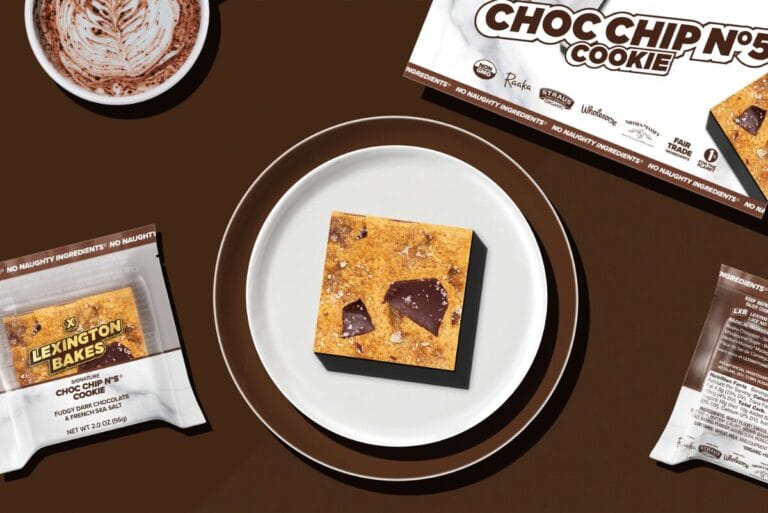
Los Angeles–based Lexington Bakes produces cookies, brownies and oat bars using organic ingredients and no artificial sweeteners or preservatives. The brand is part of a growing wave of bakeries rethinking sugar and sweetener choices, along with the level of transparency consumers expect from ingredient sourcing.

Advertisement

For its products, Lexington Bakes relies on fair-trade, unrefined, organic cane sugar, a choice Lex Evan, the company’s founder and CEO, said balances performance with values.

The company also partners with Crown Maple and Just Date for its maple syrup and date sugar, selecting ingredients that are high-quality and responsibly sourced. Crown Maple’s syrup is produced in small batches from certified organic trees in New York, while Just Date’s date sugar provides a minimally processed alternative to refined sugar, which helps Lexington Bakes maintain its clean-label philosophy while delivering functional sweetness.

This story has been adapted from the February | Q1 2026 issue of Commercial Baking. Read the full story in the digital edition here.

Related News

Advertisement

Advertisement

Advertisement

Advertisement

Popular Articles